
evaporated milk recipe

The Best evaporated milk recipe
I love making evaporated milk at home because it’s healthier than store-bought, and it’s so easy to customize. No artificial additives, no weird preservatives—just pure, creamy goodness. My family always says it tastes better when it’s homemade, like the real thing, not some processed substitute. And honestly? It’s a great way to use up extra milk that’s about to spoil, so it’s practical too. Whether you’re whipping up a quick breakfast or prepping for a special dinner, this recipe is a no-fuss way to elevate whatever you’re cooking. Plus, it’s got a little extra protein and calcium, so it’s not just about taste—it’s good for you too. My kids think it’s magical how it makes everything taste better, and honestly? I couldn’t agree more.
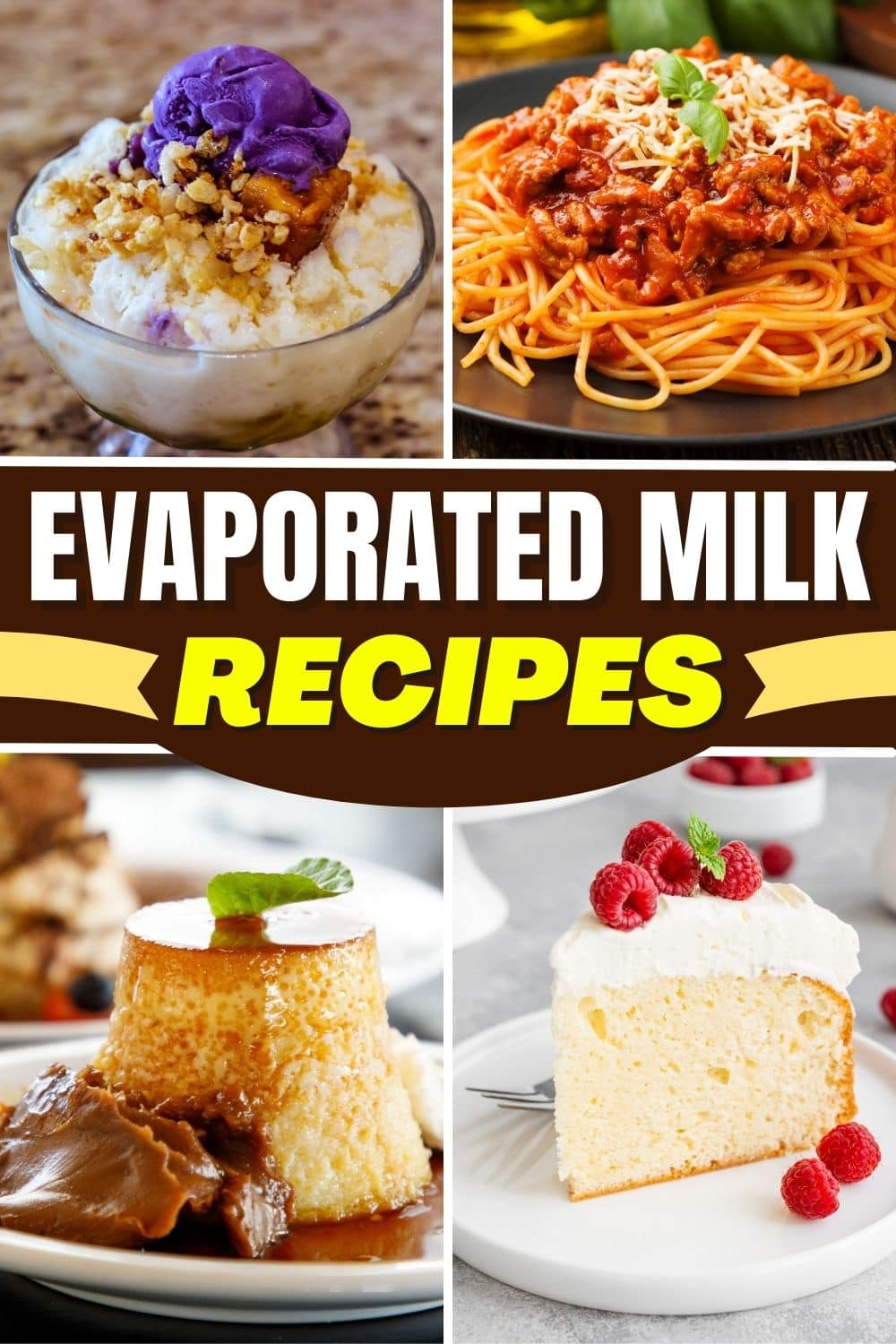
Homemade Evaporated Milk
A simple, homemade evaporated milk made by reducing whole milk to concentrate its natural sweetness and creaminess, perfect for baking and cooking. This recipe is a must-try for any occasion.
🥘Ingredients
- 2 cups whole milk (4% fat)
- 1 tsp vanilla extract (optional)
👨🍳Directions
-
1
In a heavy-bottomed saucepan, heat the milk over medium heat until it begins to simmer (do not boil vigorously). -
2
Reduce heat to low and let the milk simmer gently for 20–25 minutes, stirring occasionally with a whisk to prevent scorching. The milk should thicken significantly, reducing to about half its original volume. -
3
Remove from heat and let the milk cool to room temperature. Stir in vanilla extract if using. -
4
Strain the thickened milk through a fine-mesh sieve into clean, sterilized jars or containers to remove any foam or particles. -
5
Seal the jars tightly and store in the refrigerator for up to 1 week or freeze for up to 3 months.
🔧Equipment
- Heavy-bottomed saucepan
- Whisk
- Fine-mesh strainer
- Clean jars or containers (1-pint size)
📊Nutrition Facts (per serving)
📝Notes
Tips
- Use whole milk for the highest fat content and creaminess. Skim milk will yield a thinner product.
- If the milk curdles slightly during reduction, it’s normal and can be whisked smooth afterward.
- For a richer flavor, add a pinch of salt or a splash of caramel syrup during reduction.
Storage: Store in airtight containers in the fridge for up to 1 week or freeze for longer shelf life.
Substitutions: For a quicker alternative, use store-bought evaporated milk, but homemade has a more natural taste.
Watch Video Of How Homemade Evaporated Milk Works
❓ Frequently Asked Questions About Evaporated Milk
1. What is evaporated milk, and how is it different from regular milk?
Evaporated milk is milk that has had about 60% of its water content removed through evaporation, leaving a thicker, creamier consistency. Unlike regular milk, it retains a sweet, caramelized flavor and is often used in cooking, baking, and beverages like coffee or tea. It’s also shelf-stable when unopened, lasting much longer than fresh milk.
2. Why does evaporated milk separate or curdle when used in recipes?
Evaporated milk can separate or curdle if it’s heated too quickly, especially if it’s not at room temperature first. To prevent this, gently warm the milk to room temperature before using, then heat it slowly in a saucepan over low to medium heat, stirring occasionally. If you’re using it in a recipe that requires simmering, add it gradually to avoid overheating.
3. Can evaporated milk be substituted for heavy cream in any recipe?
No, evaporated milk cannot be used as a direct substitute for heavy cream because they have different fat contents and textures. Heavy cream (30-40% fat) is much richer and thicker, while evaporated milk is lower in fat (around 10-12%) and lacks the same creamy consistency. For recipes needing creaminess, you can dilute evaporated milk with a little water or milk to mimic heavy cream, but results may vary.
4. How should I store evaporated milk to keep it fresh?
Once opened, store evaporated milk in the refrigerator for up to 7–10 days. To extend its shelf life further, you can freeze it in airtight containers or bags for up to 3 months. Always check the label for specific storage instructions, as some brands may have slightly different guidelines. Avoid freezing if the milk has already separated, as refreezing can cause further issues.
5. What are some common uses for evaporated milk in cooking and baking?
Evaporated milk is versatile and used in many dishes:
– Coffee or tea (adds creaminess and sweetness).
– Custards, puddings, and desserts (like milk chocolate mousse or pie fillings).
– Sauces and soups (thickens gravies or adds richness to creamy dishes).
– Baking (replaces milk in recipes needing a slightly thicker liquid).
– Curries and stews (gives a deeper flavor and smooth texture). It’s also a great alternative to heavy cream in recipes where you want a milder taste.


