
fermented pickles recipe

The Best fermented pickles recipe
I love this recipe because it’s a way to slow down and enjoy something small and intentional. There’s something grounding about waiting a few days for the flavors to develop, watching the colors change, and knowing that every bite is packed with good bacteria. My husband always says it reminds him of when we’d make homemade yogurt together, and I think that’s true—it’s that same kind of hands-on, mindful cooking that doesn’t take much effort but makes a real difference. The kids love them because they’re fun to watch fermenting, and it’s a great way to teach them about food science without it feeling like a lesson. Plus, they’re great for meal prep. I’ll often make a big batch at the beginning of the week, and by the time we’re done, they’re all gone. They’re also a great way to use up any veggies that might be getting a little soft in the fridge—carrots, cucumbers, green beans—whatever you have on hand works. And the health benefits? Well, fermented foods are all the rage for a reason. They help with digestion, boost immunity, and keep things balanced in your gut. It’s not just about taste; it’s about what’s good for you, and that’s something I always try to prioritize in our kitchen.
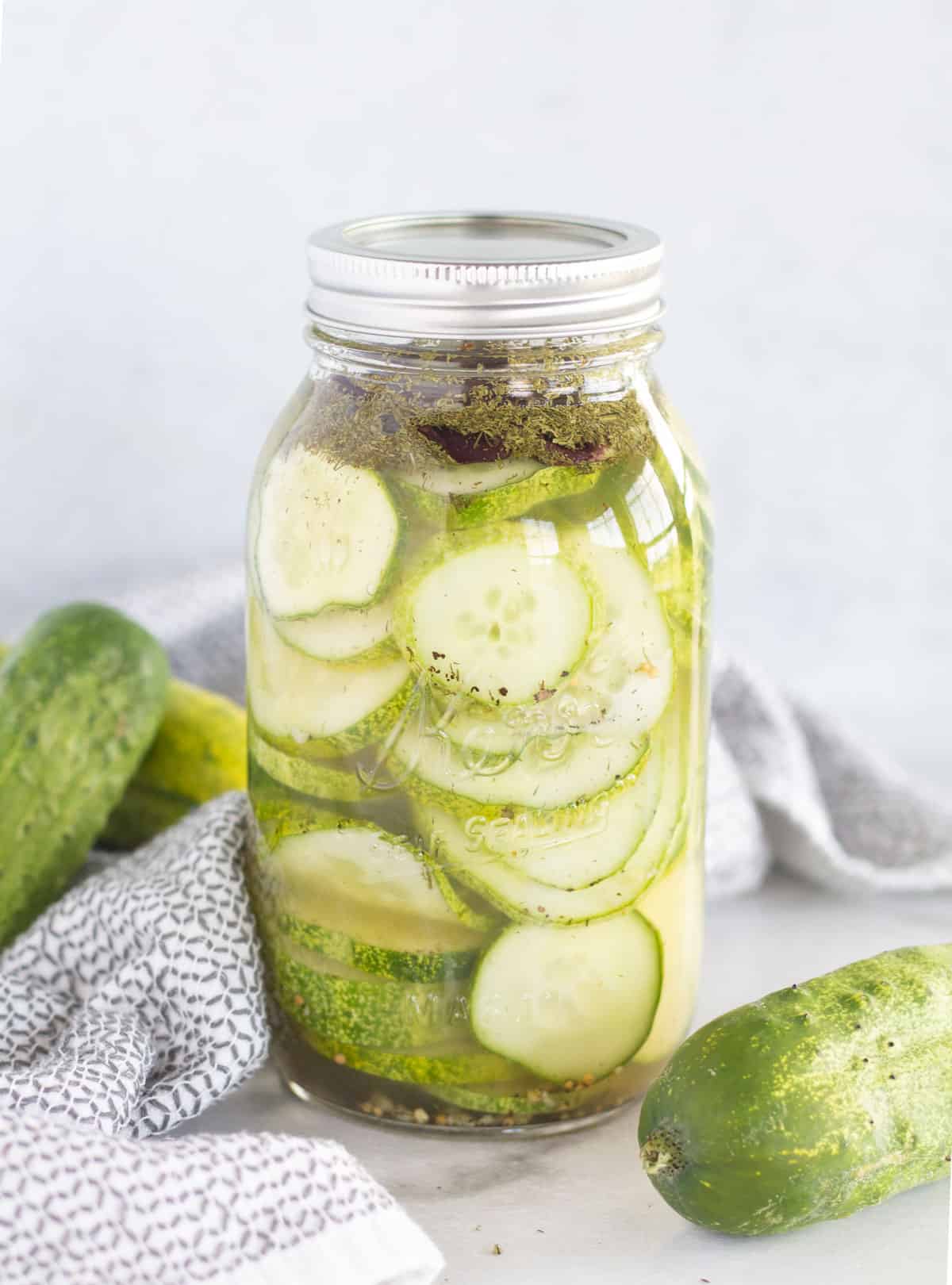
Fermented Pickles Recipe
A traditional method of preserving vegetables using brine fermentation, resulting in tangy, crunchy pickles with enhanced flavor and probiotic benefits. This recipe is a must-try for any occasion.
🥘Ingredients
- 1 lb (450g) mixed vegetables (e.g., cucumbers, carrots, daikon, green onions)
- 1 cup (236ml) water
- 2 cups (475ml) vinegar (5% acidity)
- 1 tbsp (15ml) salt
- 2 tbsp (30ml) whole grain mustard seeds
- 1 tsp (5g) black peppercorns
- 1 tsp (5g) dill seeds
- 1 tsp (5g) coriander seeds
- 1 bay leaf
- 1 tsp (5g) garlic cloves (minced)
- Fresh dill or parsley
- Extra vinegar for dipping
- Lemon wedges
👨🍳Directions
-
1
Wash all vegetables thoroughly under cold running water to remove dirt and pesticides. Cut into desired shapes (e.g., spears, sticks, or wedges). -
2
In a large pot, combine water, vinegar, salt, and spices (mustard seeds, peppercorns, dill seeds, coriander seeds, bay leaf, and minced garlic). Bring to a boil, then reduce heat and simmer for 5 minutes to dissolve salt and infuse flavors. -
3
Allow the brine to cool to room temperature. Pack the prepared vegetables into clean glass jars, leaving 1-inch headspace at the top. -
4
Pour the cooled brine over the vegetables, ensuring they are fully submerged. Use fermentation weights or clean gravy boats to keep vegetables under the brine. Seal the jars tightly with lids. -
5
Store jars in a cool, dark place (e.g., cellar, pantry) at room temperature for 2-4 weeks. Stir the jars gently every few days to ensure even fermentation. -
6
Once fermentation is complete (check for bubbles, smell, and texture), refrigerate the jars to slow down fermentation. Consume within 1-2 months for best flavor.
🔧Equipment
- Clean glass jars with lids
- Large pot
- Measuring cups and spoons
- Knife and cutting board
- Colander
- Fermentation weights or clean gravy boats
- Thermometer (optional, for brine temperature)
📊Nutrition Facts (per serving)
📝Notes
Tips
- Ensure all equipment and hands are clean to prevent contamination.
- Use filtered or distilled water if possible to avoid mineral interference.
- For extra tang, add a pinch of sugar to the brine.
- Fermented pickles can be stored in the fridge for up to 6 months.
- Experiment with different vegetables (e.g., radishes, jicama) and spices for variety.
Storage: Store in a cool, dark place for short-term fermentation or refrigerate for long-term storage.
Substitutions: {“vinegar”:”Apple cider vinegar or white vinegar (ensure 5% acidity)”,”spices”:”Substitute with other herbs like thyme or oregano if preferred.”}
Watch Video Of How Fermented Pickles Recipe Works
❓ Frequently Asked Questions About Fermented Pickles
What is the best type of vegetables to use for fermented pickles?
The best vegetables for fermented pickles are firm and crunchy, such as cucumbers (especially thin-skinned varieties like Persian or Japanese), radishes, carrots, or green beans. Avoid soft or mushy vegetables like tomatoes or zucchini, as they won’t hold their shape well during fermentation.
How long should I ferment the pickles for the best flavor and texture?
Fermentation time affects flavor—lightly fermented pickles (2–5 days) are tangy but mild, while deeply fermented ones (1–2 weeks) develop deeper, complex flavors. For classic tangy pickles, aim for 5–7 days in a cool, dark place. For probiotic-rich or vinegary pickles, extend to 1–2 weeks (check for bubbling and sourness).
Why is my fermented pickle jar not producing enough bubbles?
Lack of bubbles can happen for a few reasons: 1) The brine wasn’t packed tightly enough (ensure veggies are submerged), 2) The jar wasn’t sealed properly (check for air gaps), or 3) The fermentation environment was too warm (ideal temp is 65–75°F/18–24°C). If bubbles are minimal, try adding a few drops of apple cider vinegar or a pinch of salt to the brine to boost fermentation.
Can I use store-bought brine instead of making my own?
Yes, you can use store-bought brine (like Dijon mustard or vinegar-based pickling brine), but follow these tips for best results: 1) Use a salt-based brine (like 3–4% salt) for traditional fermentation, 2) Avoid brines with added sugar or spices (they can alter flavor), 3) Sterilize the jar and tools to prevent contamination, and 4) Ferment in a cool, dark place for 5–7 days before opening.
How do I know when fermented pickles are ready to eat?
Pickles are ready when they meet these signs: 1) The brine is cloudy with bubbles (active fermentation), 2) The veggies are plump and firm (not mushy), 3) The smell is slightly sour but not rotten (like vinegar or fermented cabbage), and 4) The taste is tangy and slightly salty (taste a drop of brine first). Most pickles are safe after 5–7 days; deeper fermentation (1–2 weeks) intensifies flavor but may make them too sour.
