
german schnitzel recipe

- The Best german schnitzel recipe
- Traditional German Pan-Fried Pork Schnitzel (Veal or Pork)
- 🥘Ingredients
- 👨🍳Directions
- 🔧Equipment
- 📊Nutrition Facts (per serving)
- 📝Notes
- Watch Video Of How Traditional German Pan-Fried Pork Schnitzel (Veal or Pork) Works
- ❓ Frequently Asked Questions About German Pan-Fried Pork Schnitzel (Veal or Pork)
The Best german schnitzel recipe
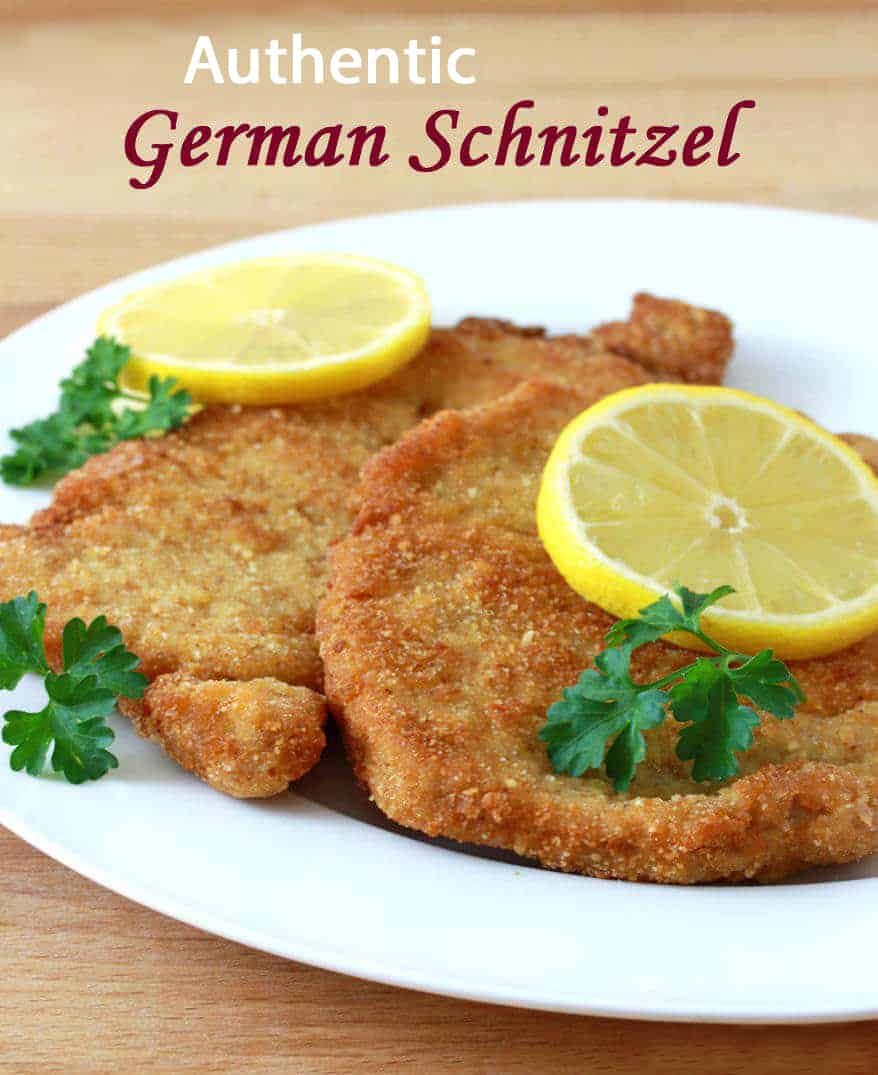
Traditional German Pan-Fried Pork Schnitzel (Veal or Pork)
A crispy, golden-brown cutlet made from breaded and pan-fried veal or pork, served with a classic tomato-based sauce. A staple in German cuisine, this dish is both flavorful and versatile.
🥘Ingredients
- 4 boneless veal or pork cutlets (about 6 oz each)
- 1 tbsp salt
- 1 tbsp black pepper
- 1 tbsp paprika (optional, for color)
- 2 cups all-purpose flour
- 1 tsp salt
- 1 tsp baking powder
- 1 large egg
- 1 cup milk (or water)
- 1 tbsp butter, melted
- 1 cup tomato sauce (or passata)
- 1 small onion, finely chopped
- 2 cloves garlic, minced
- 1 tbsp butter
- 1 tbsp olive oil
- Salt and pepper to taste
- Fresh parsley, chopped (for garnish)
👨🍳Directions
-
1
Preheat oven to 425°F (220°C) or heat a large skillet over medium-high heat. Ensure the pan is well-seasoned with oil. -
2
In a shallow dish, mix flour, salt, baking powder, and paprika. Set aside. -
3
In another dish, beat the egg, then add milk and melted butter. Stir gently to combine. -
4
Pat each cutlet dry with paper towels. Season both sides lightly with salt and pepper. -
5
Dredge each cutlet in the flour mixture, pressing lightly to adhere. Dip in the egg wash, then coat again in the flour mixture. Allow excess to drip off. -
6
For pan-frying: Heat oil in the skillet until smoking. Fry cutlets for 3–4 minutes per side until golden brown and crisp. Transfer to a paper towel-lined plate. For baking: Brush cutlets lightly with oil and place on a baking sheet. Bake for 12–15 minutes until golden. -
7
While cutlets cook, sauté onion and garlic in butter and olive oil until soft. Stir in tomato sauce, season with salt and pepper, and simmer for 5–7 minutes. -
8
Serve schnitzel hot with the tomato sauce, garnished with fresh parsley.
🔧Equipment
- Mixing bowls
- Baking sheet or frying pan
- Measuring cups and spoons
- Knife and cutting board
- Parchment paper
- Oven (for baking) or frying pan (for pan-frying)
- Pastry brush (optional)
📊Nutrition Facts (per serving)
📝Notes
- For extra crispiness, use a mix of all-purpose flour and cornstarch (1:1 ratio) for the breading.
- Substitute pork for veal if preferred, or use chicken for a lighter option.
- Ensure cutlets are evenly coated in the batter to avoid soggy schnitzel.
- For a healthier twist, bake schnitzel instead of frying, and use whole wheat flour in the batter.
Watch Video Of How Traditional German Pan-Fried Pork Schnitzel (Veal or Pork) Works
❓ Frequently Asked Questions About German Pan-Fried Pork Schnitzel (Veal or Pork)
What is the best way to prepare the breading for German schnitzel?
The best breading for traditional German schnitzel involves a light yet crispy coating. Start by beating 1 egg with 1 cup of cold breadcrumbs (like panko or whole wheat for extra flavor). Mix well and let it rest for about 10 minutes. This creates a light, airy batter that ensures a perfect crispiness without making the schnitzel soggy.
—
How should I cook schnitzel to achieve the perfect crispy exterior?
For the ideal crispy exterior, pan-fry the schnitzel in very hot oil (about 350°F/175°C) until golden brown on both sides—typically around 3-4 minutes per side. Use a non-stick pan or a well-seasoned cast-iron skillet. Avoid overcrowding the pan to maintain high heat. If needed, finish in a 375°F (190°C) oven for 5-7 minutes to crisp it further.
—
Can I use chicken instead of pork schnitzel, and if so, how does it differ?
Yes, you can make chicken schnitzel, but it requires some adjustments. Chicken breast is leaner, so it dries out faster—thin it out (about ½-inch thick) and season it well with salt and pepper before breading. Cook at a slightly lower temperature (340°F/170°C) to avoid burning the outside before the inside cooks through. Chicken schnitzel is lighter but still delicious, especially with a tangy mustard or lemon sauce.
—
What are the classic sides that pair best with schnitzel?
German schnitzel is traditionally served with:
– Lemon wedges (to cut through the richness)
– Simple green salad (mixed greens with a light vinaigrette)
– Potato salad (classic German Kartoffelsalat, not creamy—dressed with vinegar, oil, and mustard)
– Steamed or boiled vegetables (like green beans or asparagus)
– Fresh bread (to soak up any pan juices)
Avoid heavy sides like mashed potatoes or rich sauces unless balanced with a bright accompaniment.
—
Why does my schnitzel turn out rubbery instead of tender?
Rubbery schnitzel usually happens due to one of these common mistakes:
1. Overcooking – Remove it from the pan as soon as it’s golden (about 3 minutes per side). Chicken schnitzel is especially prone to drying out.
2. Thick cuts – Use thin slices (½-inch or less) to ensure even cooking. For thicker cuts, cut into strips or fan them to air-dry slightly.
3. Not resting the meat – Let the breaded schnitzel rest for 5–10 minutes before cooking to redistribute juices.
4. Cold meat – Thaw meat at room temperature or warm it gently (not above 100°F/38°C) to prevent a tough texture.
5. Overworking the batter – Mix the egg and breadcrumbs just until combined to avoid a gummy coating.

