
gin and tonic recipe

The Best gin and tonic recipe
This isn’t just a cocktail for special occasions, though it’s perfect for those too. I’ll make one after a long day when I need something light and bright to unwind with, or when friends come over and we’re sitting outside on the patio. The best part is that it’s not just delicious—it’s also got some decent health perks. Gin is made from botanicals like juniper berries, which have antioxidants, and tonic water has quinine, which can help with digestion. Plus, if you use fresh citrus or herbs, you’re getting a little extra vitamin C and flavor without any added sugar. It’s a drink that feels indulgent but doesn’t weigh you down, and that’s why it’s a staple in my house.
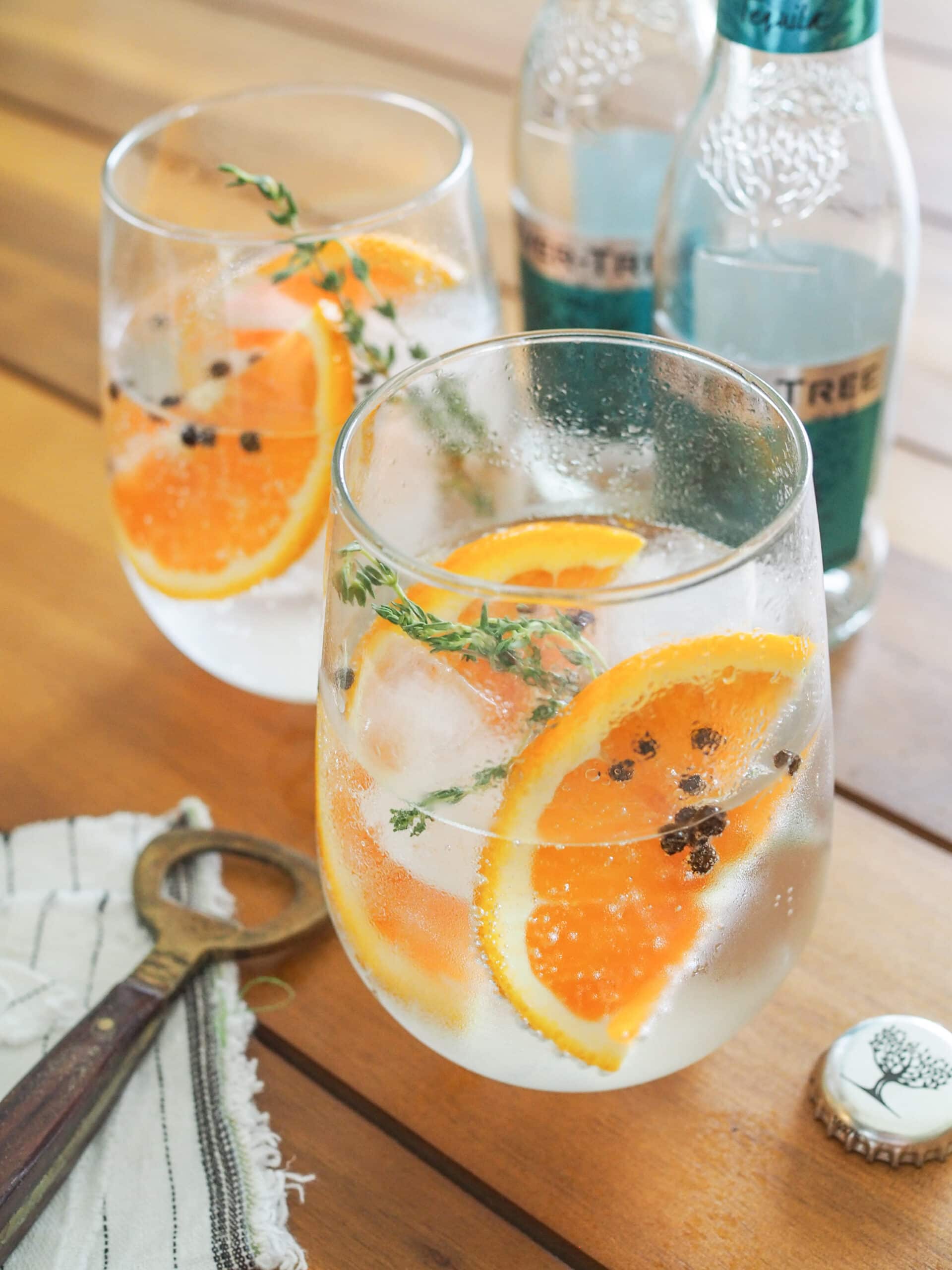
Classic Gin and Tonic
A refreshing and timeless cocktail that perfectly balances the botanical notes of gin with the crispness of tonic water. Garnished with lime and served over ice, this drink is ideal for any occasion.
🥘Ingredients
- 2 oz (60 ml) gin
- 4 oz (120 ml) premium tonic water
- Ice cubes (preferably large or clear)
- 1 lime wedge (for garnish)
- Optional: 1-2 juniper berries or a sprig of rosemary for extra aroma
👨🍳Directions
-
1
Fill a highball or copa glass with ice cubes, ensuring it’s well-chilled. -
2
Pour the gin over the ice, allowing it to chill slightly. -
3
Top with tonic water, pouring gently to preserve the bubbles. -
4
Stir lightly with a bar spoon to combine the gin and tonic without over-diluting. -
5
Garnish with a lime wedge, squeezing it slightly into the drink before placing it on the rim. Add juniper berries or rosemary if desired. -
6
Serve immediately and enjoy responsibly.
🔧Equipment
- Highball glass or copa glass
- Bar spoon or long spoon
- Jigger or measuring tool
- Knife (for cutting lime)
📊Nutrition Facts (per serving)
📝Notes
Watch Video Of How Classic Gin and Tonic Works
❓ Frequently Asked Questions About Gin and Tonic
1. What is the classic gin and tonic ratio?
The classic gin and tonic ratio is 1 part gin to 2 parts tonic water. For example, a standard serving uses 50ml (1.7 oz) of gin and 100ml (3.4 oz) of tonic water. Adjust to taste—some prefer a stronger gin flavor (1:1.5) or a lighter mix (1:3).
2. What type of gin works best in a gin and tonic?
London Dry Gin is the most popular choice for its balanced juniper and botanical flavors. However, floral gins (like Hendrick’s) or citrus-forward gins (like Tanqueray Sevilla) can add unique twists. Experiment to find your preference!
3. Should I use fresh lime or lemon in a gin and tonic?
Fresh lime is the traditional choice—its tartness complements the gin’s botanicals. Lemon can work for a sweeter, milder taste. Squeeze a wedge (or two) directly into the drink and drop it in for extra aroma.
4. What’s the best tonic water for a gin and tonic?
Premium tonic waters like Fever-Tree, Q Tonic, or Fentimans enhance the drink with natural quinine and subtle flavors. Avoid overly sweet or artificial tonics, as they can overpower the gin. For a lighter option, try a low-calorie or elderflower-infused tonic.
5. How do I properly garnish a gin and tonic?
Garnishes elevate flavor and presentation. Classic options:
– Lime or lemon wedge (squeezed and dropped in)
– Cucumber slices (for a refreshing twist)
– Rosemary or thyme sprig (adds herbal notes)
– Pink peppercorns or juniper berries (for a botanical touch)
Avoid overloading—stick to 1-2 garnishes for balance.

