
gluten free desserts recipe

- The Best gluten free desserts recipe
- Gluten-Free Chocolate Avocado Mousse with Berries
- 🥘Ingredients
- 👨🍳Directions
- 🔧Equipment
- 📊Nutrition Facts (per serving)
- 📝Notes
- Watch Video Of How Gluten-Free Chocolate Avocado Mousse with Berries Works
- ❓ Frequently Asked Questions About Gluten-Free Chocolate Avocado Mousse with Berries
The Best gluten free desserts recipe
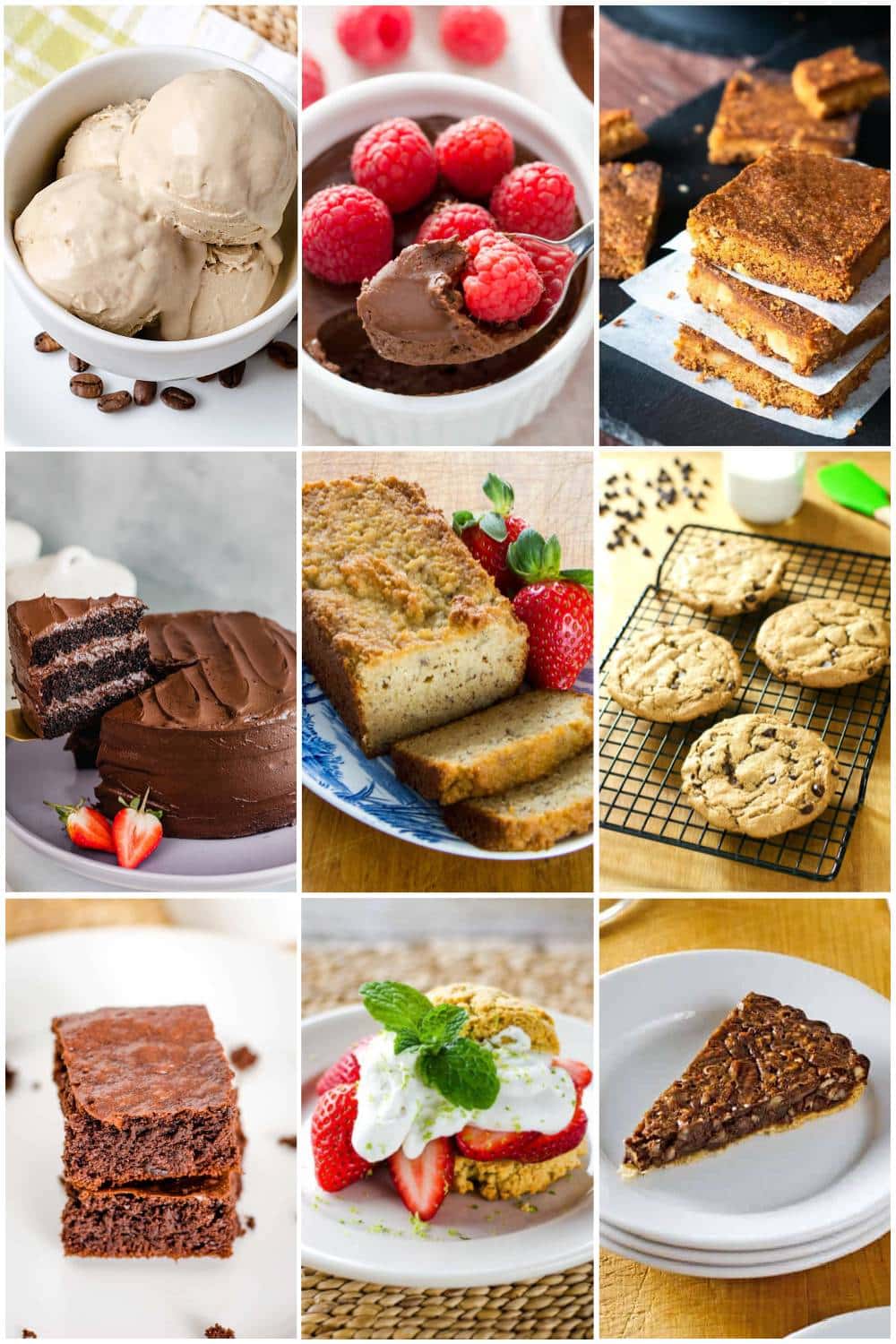
Gluten-Free Chocolate Avocado Mousse with Berries
A rich, creamy, and naturally sweet dessert made with ripe avocados, dark chocolate, and a touch of maple syrup. Topped with fresh berries for a refreshing contrast.
🥘Ingredients
- 2 ripe avocados
- ½ cup unsweetened cocoa powder
- ¼ cup maple syrup
- 2 large eggs
- 1 tsp vanilla extract
- Pinch of salt
- ½ cup mixed berries (strawberries, blueberries, raspberries)
- 1 tbsp chopped nuts (optional)
- 1 tbsp coconut flakes (optional)
👨🍳Directions
-
1
Rinse and dry the mixed berries. Chop them into small pieces and set aside. -
2
In a large bowl, mash the avocados with a fork until smooth. -
3
Add cocoa powder, maple syrup, eggs, vanilla extract, and salt. Mix well using a whisk or fork. -
4
Transfer the mixture to a food processor and blend until completely smooth and creamy. -
5
Divide the mousse evenly into 4 serving bowls or glasses. Top each with mixed berries, chopped nuts, and coconut flakes.
🔧Equipment
- Food processor
- Mixing bowls
- Whisk
- Spoon
📊Nutrition Facts (per serving)
📝Notes
- Ensure avocados are ripe but not overly soft for the best texture.
- For a lighter version, reduce maple syrup to ¼ cup and add a splash of almond milk.
- Store in the refrigerator for up to 2 days; berries can be added fresh before serving.
Watch Video Of How Gluten-Free Chocolate Avocado Mousse with Berries Works
❓ Frequently Asked Questions About Gluten-Free Chocolate Avocado Mousse with Berries
1. What are the best gluten-free substitutes for flour in desserts like cookies, cakes, and muffins?
The best gluten-free flour blends for baking depend on the recipe, but a common all-purpose substitute is a 1:1 blend of almond flour and tapioca starch (like Bob’s Red Mill 1-to-1 Gluten-Free Baking Flour). For cakes and muffins, a mix of rice flour and potato starch (like King Arthur Measure for Measure) works well. For cookies, almond flour or coconut flour (with extra liquid) often yields a tender texture. Always adjust wet ingredients slightly (like adding 1–2 tbsp extra applesauce or yogurt) to compensate for the lack of gluten.
—
2. Can I make gluten-free desserts without any refined sugar, and if so, what are the best natural sweeteners?
Yes! You can absolutely make gluten-free desserts with natural sweeteners. Monk fruit sweetener (like Lakanto) is sugar-free and blends well in baking. For a slightly softer texture, dates, applesauce, or mashed bananas work great in muffins and cakes. Maple syrup, coconut sugar, or raw honey add moisture and depth, though they may require a bit more liquid in the recipe. For a lower-glycemic option, erythritol or allulose (like Stevia-free brands) can be used in equal amounts to sugar.
—
3. How do I ensure my gluten-free baked goods stay moist and don’t turn out dry?
Gluten-free baking can sometimes result in denser or drier textures, but these tips help maintain moisture:
– Increase liquid by 1–2 tbsp (applesauce, yogurt, or melted coconut oil work well).
– Use binding agents like flax eggs (1 tbsp ground flax + 3 tbsp water per “egg”), chia seeds, or extra eggs.
– Add moisture-rich ingredients like mashed banana, pumpkin puree, or unsweetened applesauce.
– Store properly—keep desserts in an airtight container and refrigerate if they dry out quickly.
– Avoid overmixing—overworking gluten-free batter can lead to toughness.
—
4. Are gluten-free desserts more prone to burning or underbaking, and how can I prevent this?
Yes, gluten-free baked goods often bake faster and more evenly than wheat-based ones because they lack gluten’s structure. To prevent burning:
– Preheat oven fully (use an oven thermometer if needed).
– Check for doneness early—gluten-free cakes and cookies can continue cooking after removal.
– Use a lower oven temp (e.g., 325°F instead of 375°F) if your recipe calls for higher heat.
– Bake on the middle rack for even heat distribution.
– Watch for color—gluten-free desserts may brown faster, so use a toothpick to test doneness (it should come out clean but with a few moist crumbs).
—
5. Can I make gluten-free desserts with dairy-free alternatives, and what are the coconut oil or almond milk substitutes?
Absolutely! Here are some great dairy-free swaps:
– Dairy-free milk: Almond milk, oat milk, cashew milk, or coconut milk (unsweetened) work well in recipes like muffins and pancakes. For baking, full-fat coconut milk adds richness.
– Coconut oil: Replace butter in equal amounts (e.g., 1:1) for cakes, cookies, and brownies. It adds a subtle coconut flavor but works well in most recipes.
– Dairy-free butter alternatives: Earth Balance (vegan) or Miyoko’s work in baking, though texture may vary slightly.
– For cream cheese or whipped cream: Use coconut cream (chilled overnight) or cashew cream (blended soaked cashews with lemon juice).


