
gobi manchurian recipe

- The Best gobi manchurian recipe
- Gobi Manchurian (Stir-Fried Cauliflower in Spicy Sauce)
- 🥘Ingredients
- 👨🍳Directions
- 🔧Equipment
- 📊Nutrition Facts (per serving)
- 📝Notes
- Watch Video Of How Gobi Manchurian (Stir-Fried Cauliflower in Spicy Sauce) Works
- ❓ Frequently Asked Questions About Gobi Manchurian (Stir-Fried Cauliflower in Spicy Sauce)
The Best gobi manchurian recipe
My kids have been obsessed with it since they first tried it. They’ll beg for seconds, and honestly, I don’t blame them. The crunch from the fried tofu and the tangy, slightly spicy sauce make it addictive. It’s not too heavy, but it’s packed with flavor, so it’s great for when I want something satisfying without feeling like I’ve overindulged. Plus, it’s got all the right nutrients—protein from the tofu, fiber from the veggies, and healthy fats from the oil used in frying. It’s one of those dishes that’s so easy to double up on, whether you’re feeding a crowd or just making extra for leftovers. There’s nothing like a big bowl of this after a long day, and it’s always a hit at family gatherings.
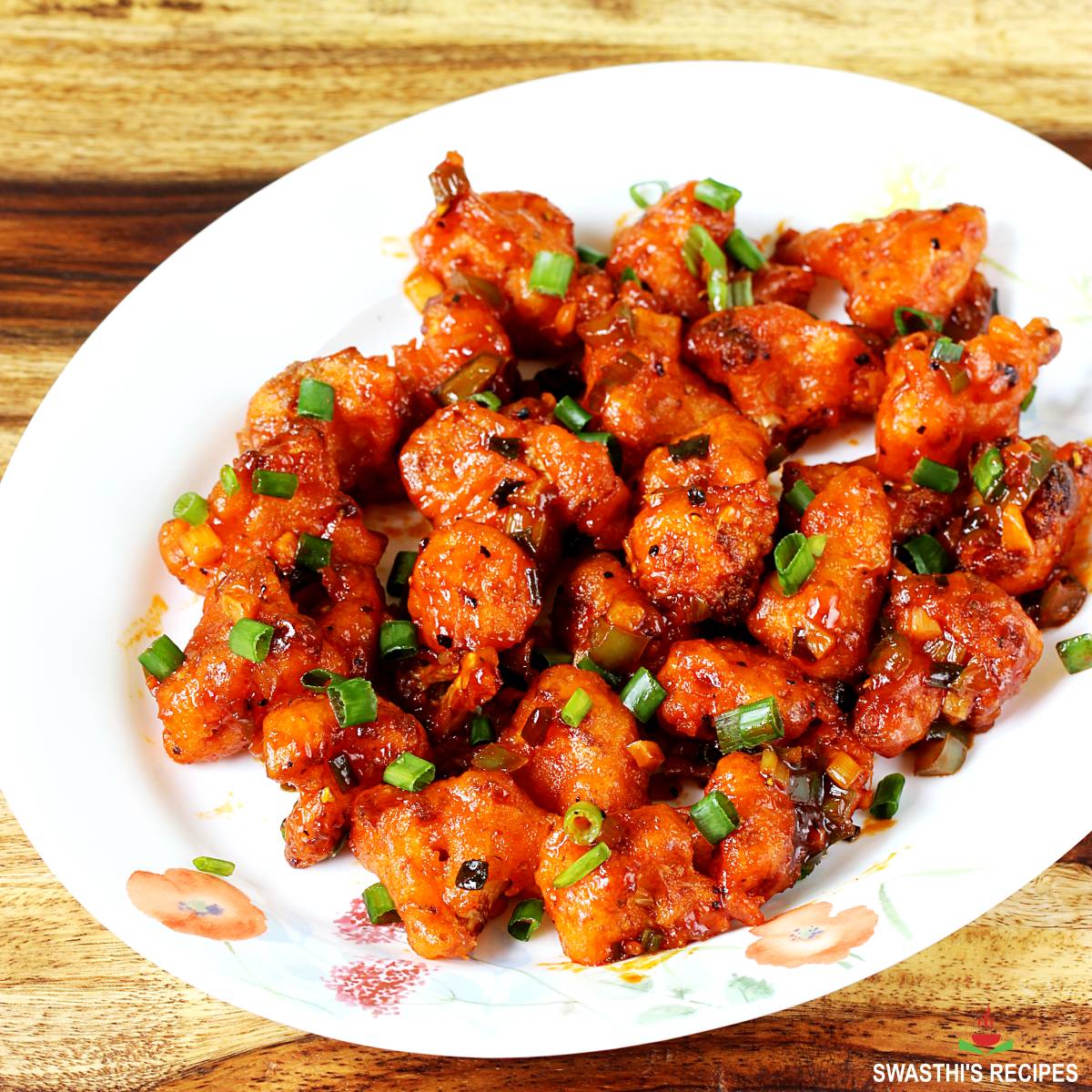
Gobi Manchurian (Stir-Fried Cauliflower in Spicy Sauce)
A flavorful and crispy stir-fried dish featuring cauliflower in a tangy, spicy Manchurian sauce, perfect for a quick and satisfying meal. This recipe is a must-try for any occasion.
🥘Ingredients
- 1 cup all-purpose flour
- 1 tsp baking powder
- ½ tsp salt
- 1 tbsp vegetable oil
- 2 tbsp soy sauce
- 1 tbsp oyster sauce
- 1 tbsp rice vinegar
- 1 tbsp sesame oil
- 1 tsp sugar
- 1 clove garlic, minced
- 1 tsp grated ginger
- 1 red chili, finely chopped (adjust to taste)
- 1 tbsp cornstarch
- 1 cup water
- 1 large cauliflower, cut into florets
- 2 tbsp vegetable oil
- 1 tsp sesame seeds (optional)
👨🍳Directions
-
1
Preheat a stir-fry pan over medium-high heat. If using dough, mix flour, baking powder, salt, and oil into a dough and knead until smooth. Cover and rest for 10 minutes. -
2
In a bowl, mix soy sauce, oyster sauce, rice vinegar, sesame oil, sugar, minced garlic, ginger, and chili. Stir in cornstarch and water to form a smooth sauce. -
3
Heat oil in the pan and stir-fry cauliflower florets until golden brown and crispy (about 5-7 minutes). Remove and set aside. -
4
Return the pan to medium heat and add the sauce. Stir-fry for 2-3 minutes until slightly thickened. Add cauliflower back to the pan and toss to coat evenly. -
5
Optional: Sprinkle sesame seeds on top before serving.
🔧Equipment
- Stir-fry pan
- Cutting board
- Knife
- Mixing bowls
- Measuring cups
- Slotted spoon
📊Nutrition Facts (per serving)
📝Notes
Tips
- For extra crispiness, use a deep-frying method with a light batter if preferred.
- Adjust spice level by reducing or increasing chili as needed.
- Substitute cauliflower with broccoli or carrots for a variation.
Serving Suggestions
- Serve with steamed rice or noodles.
- Pair with a side of pickled vegetables or cucumber salad.
Watch Video Of How Gobi Manchurian (Stir-Fried Cauliflower in Spicy Sauce) Works
❓ Frequently Asked Questions About Gobi Manchurian (Stir-Fried Cauliflower in Spicy Sauce)
What is the Gobi Manchurian recipe, and what are its key ingredients?
Gobi Manchurian is a popular Chinese-American dish featuring deep-fried Chinese cabbage (gobi) mixed with a spicy-savory sauce made from ingredients like soy sauce, oyster sauce, garlic, ginger, chili oil, and sometimes a touch of vinegar or sesame oil. The dish is often served with a side of crispy fried onions or served over rice. Key ingredients include Chinese cabbage (gobi), ground pork or beef, garlic, ginger, soy sauce, oyster sauce, chili oil, and sometimes a bit of cornstarch for coating.
—
How do I prepare the sauce for Gobi Manchurian? The sauce seems a bit complex, and I’m unsure about the ratios.
Here’s a simple sauce ratio to follow:
– 1 tbsp soy sauce (light or dark, depending on preference)
– 1 tbsp oyster sauce
– 1 tbsp chili oil (adjust for spice level)
– 1 tbsp vinegar (white or rice vinegar)
– 1 tsp sesame oil (optional but adds depth)
– 1 tsp sugar or honey (balances acidity)
– 1 clove garlic, minced (or ½ tsp garlic powder)
– ½ tsp ginger, grated
– ½ tsp cornstarch + 2 tbsp water (to thicken, optional but helps texture)
Mix everything well, then adjust seasoning—add more soy sauce for saltiness or chili oil for heat. Taste as you go!
—
Can I use chicken instead of pork or beef for the Gobi Manchurian?
Yes! While pork or beef are traditional, you can substitute ground chicken (or turkey) for a lighter option. The texture might be slightly different, but the dish still works well. If using chicken, ensure it’s finely ground and seasoned similarly with garlic, ginger, and a bit of cornstarch to help it crisp up. The sauce will pair perfectly with it.
—
What’s the best way to ensure the Chinese cabbage stays crispy while frying?
For the gobi (Chinese cabbage) to stay crispy:
1. Prep ahead: Cut the cabbage into thin strips (about ½-inch wide) and toss with 1 tbsp cornstarch and a pinch of salt. Let it sit for 10 minutes to absorb the starch.
2. Double-fry method:
– First fry in oil at 350°F (175°C) for 2–3 minutes until slightly softened.
– Remove and drain on a wire rack (or paper towels) to let excess oil drain.
– Fry again in hotter oil (375°F/190°C) for 2–3 minutes until golden and crispy.
3. Avoid overcrowding: Cook in batches to maintain oil temperature.
4. Serve immediately—the cabbage will soften if left too long.
—
How can I make Gobi Manchurian healthier without sacrificing flavor?
You can adapt the dish to be lighter while keeping the bold flavors:
– Use lean proteins: Swap ground pork for lean ground beef, chicken, or shrimp (shrimp pairs especially well with the sauce).
– Air-fry or bake: Instead of deep-frying, air-fry the cabbage at 400°F (200°C) for 12–15 minutes, flipping halfway, with a light spray of oil.
– Reduce oil in sauce: Cut oil in the sauce by using more soy sauce/oyster sauce and a splash of light soy sauce or brown sugar for depth.
– Add veggies: Stir in bell peppers, carrots, or mushrooms for extra nutrients without overpowering the dish.
– Serve with rice: Opt for brown rice or cauliflower rice to balance portions.


