
ham hock recipe

The Best ham hock recipe
This recipe isn’t just good for the taste buds—it’s actually pretty healthy in a way that feels indulgent. Ham hocks are packed with collagen and gelatin, which help keep joints strong and skin supple, and they’re loaded with vitamins and minerals like iron and zinc. Plus, the slow cooking process breaks down the tough fibers, making it easier to digest than you’d think. I’ve used it in my family’s meals all week long—breakfast hash with some of the meat, a quick stir-fry with veggies, and even as a topping for baked sweet potatoes. It’s that kind of dish that doesn’t feel like a chore to prepare, but it still makes everyone feel nourished and satisfied. And honestly? It’s one of those recipes that’s just as good for a casual weeknight dinner as it is for a Sunday dinner with guests.
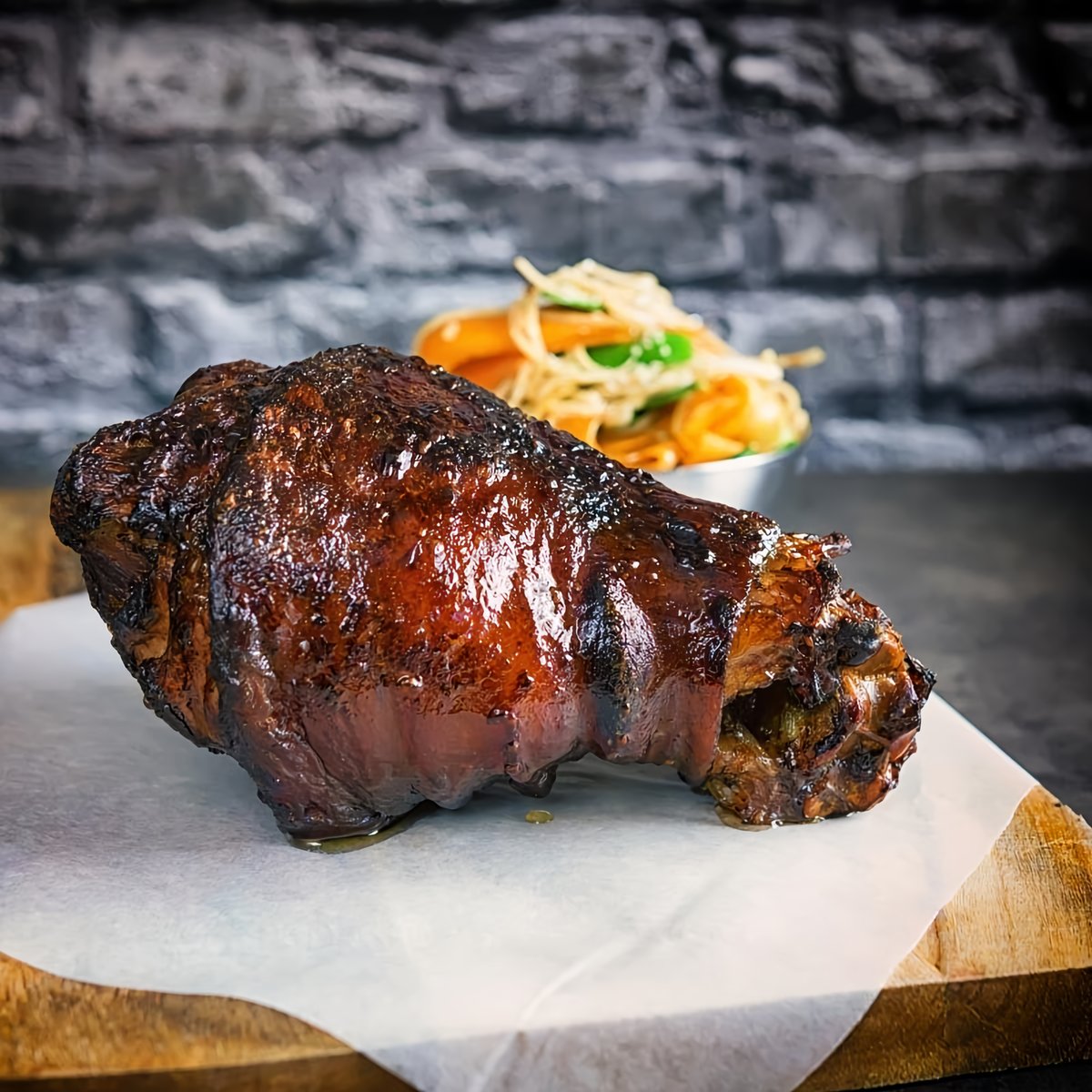
Classic Slow-Cooked Ham Hock
A rich, tender ham hock braised in a savory tomato-based sauce, perfect for a hearty meal. Slow-cooked to perfection, this dish is ideal for weeknight dinners or gatherings.
🥘Ingredients
- 1 whole ham hock (about 3 lbs)
- 2 bay leaves
- 1 tsp black peppercorns
- 1 tsp whole cloves
- 3 cups chicken or bone broth
- 1 large onion, diced
- 4 cloves garlic, minced
- 1 (28 oz) can crushed tomatoes
- 1 cup tomato sauce
- 1 tbsp Worcestershire sauce
- 1 tbsp soy sauce
- 1 tsp dried thyme
- 1 tsp smoked paprika
- 1 cup beef or vegetable broth (optional, for depth)
- Fresh parsley, chopped
- Crème fraîche or sour cream
- Toasted bread slices
👨🍳Directions
-
1
Preheat oven to 325°F (165°C) if using a slow cooker, or bring a Dutch oven to a simmer over medium-high heat if using stovetop. -
2
Place the ham hock in the slow cooker or Dutch oven. Add bay leaves, black peppercorns, and cloves around the ham hock. -
3
In a large pot, sauté the diced onion and minced garlic in a bit of oil until soft (about 5 minutes). Add crushed tomatoes, tomato sauce, Worcestershire sauce, soy sauce, thyme, and smoked paprika. Stir well. -
4
Pour the tomato mixture over the ham hock in the slow cooker or Dutch oven. Add broth (if using) and ensure the ham is fully submerged. -
5
Cover and cook on low heat for 6-8 hours or on high heat for 3-4 hours, or until the ham is tender and easily pulled apart. -
6
Remove the ham hock from the liquid and let it cool slightly. Shred the meat from the bone using two forks. Return the meat to the sauce and stir well to combine. -
7
Adjust seasoning if needed, then serve the ham hock hot with garnishes like fresh parsley, crème fraîche, or toasted bread.
🔧Equipment
- Slow cooker or Dutch oven
- Large pot or pot holder
- Cutting board
- Knife
- Measuring cups and spoons
📊Nutrition Facts (per serving)
📝Notes
Tips
- For extra flavor, add a splash of red wine or a pinch of red pepper flakes to the sauce.
- If using a Dutch oven, cook covered on low heat for 6-8 hours or until the meat shreds easily.
- Store leftovers in an airtight container in the fridge for up to 5 days or freeze for up to 3 months.
- Serve with mashed potatoes, roasted vegetables, or crusty bread to round out the meal.
Substitutions
- Use a bone-in pork shoulder if ham hock is unavailable.
- For a lighter option, reduce the amount of oil used in the sauce and add a splash of coconut milk.
Watch Video Of How Classic Slow-Cooked Ham Hock Works
❓ Frequently Asked Questions About Slow-Cooked Ham Hock
1. What is the best way to prepare ham hock for cooking?
To prepare a ham hock for cooking, start by trimming off any excess fat or connective tissue from the outer surface. If you prefer a more tender result, you can also remove the bone from the ham hock. Rinse it under cold water and pat it dry with paper towels. You can then either cook it directly in the pot or place it in a marinade for a few hours or overnight.
2. How long does it need to slow cook a ham hock?
Slow cooking a ham hock typically requires around 8 to 12 hours on low heat. For a more intense flavor, you can try the “braising” method, which involves cooking it in a covered pot with some liquid (like broth, water, or a combination of both) for about 3 to 4 hours at 300°F (150°C) to 325°F (157°C). The exact time can vary based on the size of the ham hock and your preferred level of tenderness.
3. What are some great flavor enhancers to add when cooking ham hocks?
There are several delicious flavor enhancers you can use to make your ham hock more flavorful. Some popular options include:
– Herbs: Thyme, rosemary, sage, bay leaves, or garlic-infused oil.
– Spices: Black pepper, smoked paprika, cayenne pepper, or a mix of dried herbs and spices.
– Liquids: Bone broth, apple cider, red wine, or beer (especially a dark beer for a deeper flavor).
– Sweetness: Brown sugar, molasses, or honey to balance the savory and add a touch of sweetness.
– Acidity: A splash of vinegar (like apple cider vinegar) or citrus juice to brighten the dish.
4. Can I use a pressure cooker for cooking ham hocks?
Yes, you can absolutely use a pressure cooker for ham hocks! This method cooks the meat much faster and can result in incredibly tender and flavorful results. Follow these general steps:
– Place the ham hock in the pressure cooker.
– Add about 1 to 2 cups of liquid (broth, water, or a combination of both).
– Add your preferred flavorings (herbs, spices, etc.).
– Seal the lid and cook on high pressure for about 45 minutes to 1 hour, depending on the size of the ham hock.
– Allow the pressure to release naturally before opening the lid and serving.
5. How do I serve ham hocks and what are some popular side dishes?
Ham hocks are traditionally served as a rich, savory stew or braised dish. They can be enjoyed on their own or paired with several side dishes to complement their deep flavor. Some popular options include:
– Sides: Corn on the cob, mashed potatoes, buttery biscuits, roasted potatoes, or a fresh green salad with a tangy dressing.
– Bread: Warm, crusty bread like sourdough or cornbread to soak up the juices.
– Extras: A dollop of sour cream, a sprinkle of cheddar cheese, or some pickles for a refreshing contrast.
For a heartier meal, consider serving ham hocks with a side of macaroni and cheese, collard greens, or even a baked potato. The key is to balance the rich, meaty flavor with lighter, fresh, or slightly sweet sides.


