
healthy banana recipe

The Best healthy banana recipe
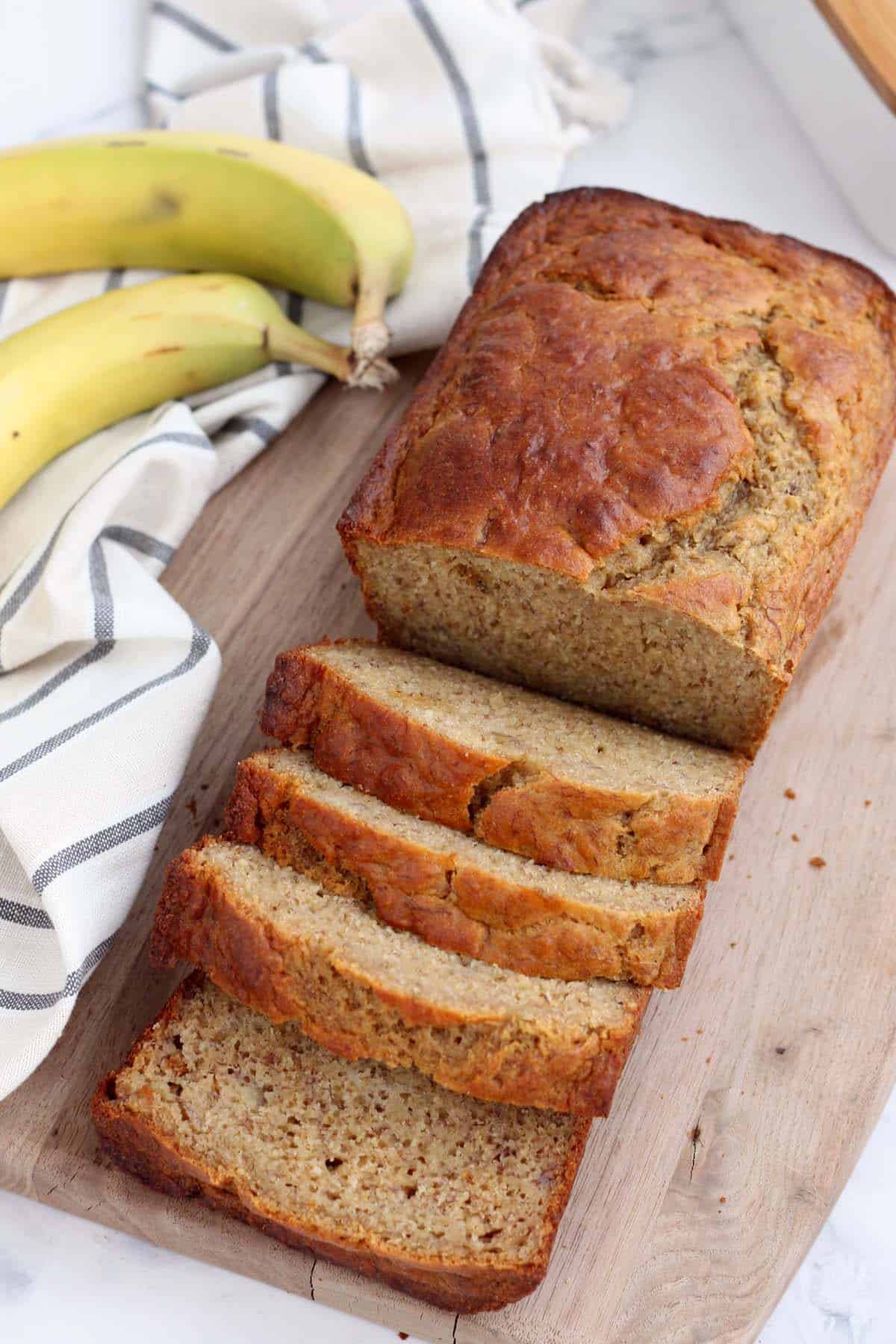
Healthy Banana Oatmeal Cookies
A nutritious and naturally sweetened cookie made with ripe bananas, oats, and a touch of cinnamon for a wholesome treat. This recipe is a must-try for any occasion.
🥘Ingredients
- 2 ripe bananas, mashed
- 1 cup rolled oats
- 1/2 cup almond flour
- 1/4 cup honey or maple syrup
- 1/2 tsp cinnamon
- 1/2 tsp baking soda
- 1/4 tsp salt
- 1/4 cup chopped walnuts or pecans
- 1/4 cup shredded coconut
- 1/2 tsp vanilla extract
👨🍳Directions
-
1
Preheat oven to 350°F (175°C). Line a baking sheet with parchment paper. -
2
In a large bowl, mash the bananas with a fork until smooth. Stir in honey/maple syrup, oats, almond flour, cinnamon, baking soda, and salt. -
3
Fold in optional add-ins like nuts or coconut if using. -
4
Scoop tablespoon-sized portions of dough and flatten slightly with a fork. Place on the baking sheet. -
5
Lightly spray each cookie with water to help them spread slightly. Bake for 12-15 minutes or until edges are golden.
🔧Equipment
- Mixing bowl
- Measuring cups
- Baking sheet
- Spray bottle with water
- Oven
📊Nutrition Facts (per serving)
📝Notes
Tips
- Use slightly underripe bananas for firmer cookies.
- For extra protein, add 1 scoop of vanilla plant-based protein powder to the dough.
- Store in an airtight container for up to 5 days or freeze for longer storage.
Variations
- Swap almond flour for oat flour for a gluten-free option.
- Add 1/4 cup of chia seeds for added omega-3s.
Watch Video Of How Healthy Banana Oatmeal Cookies Works
❓ Frequently Asked Questions About Healthy Banana Oatmeal Cookies
1. What are the health benefits of using bananas in a healthy recipe?
Bananas are packed with essential nutrients like potassium, vitamin C, vitamin B6, and dietary fiber. In healthy recipes, they can help stabilize blood sugar levels, support digestion, boost energy, and even aid in weight management. Their natural sweetness also makes them a great alternative to refined sugars in desserts or smoothies.
2. Can I substitute regular bananas with other fruits in this recipe?
While bananas offer unique benefits, you can try alternatives like mango, papaya, or applesauce in certain recipes. However, keep in mind that these substitutions may alter the texture, flavor, and nutritional profile. For example, mango adds a tropical twist but lacks the same potassium content as bananas.
3. How should I choose the ripeness of bananas for the best flavor and texture in recipes?
For most healthy banana recipes, slightly overripe bananas (with brown spots) work best—they’re sweeter and softer, making them ideal for baking or blending. If you’re using them in smoothies, slightly underripe bananas (green with few brown spots) can add a firmer texture but may require extra sweetness. Always taste and adjust as needed!
4. Are there any potential allergies or dietary restrictions to consider when using bananas in recipes?
Bananas are generally safe for most people, but some individuals with latex-fruit syndrome (a rare allergy) may react to them. Additionally, those with potassium sensitivity (e.g., from kidney issues) should use caution, as bananas are high in potassium. Always check with a healthcare provider if unsure, especially in large quantities.
5. How can I store bananas properly to maximize their freshness and flavor in recipes?
Store bananas in a cool, dark place (like the fridge or pantry) to slow ripening. If keeping them at room temperature, keep them in a breathable bag or container. Once ripe, use them within 2–3 days for best texture. Freezing bananas is also a great way to preserve them—peel, slice, and freeze for smoothies or baking later!

