
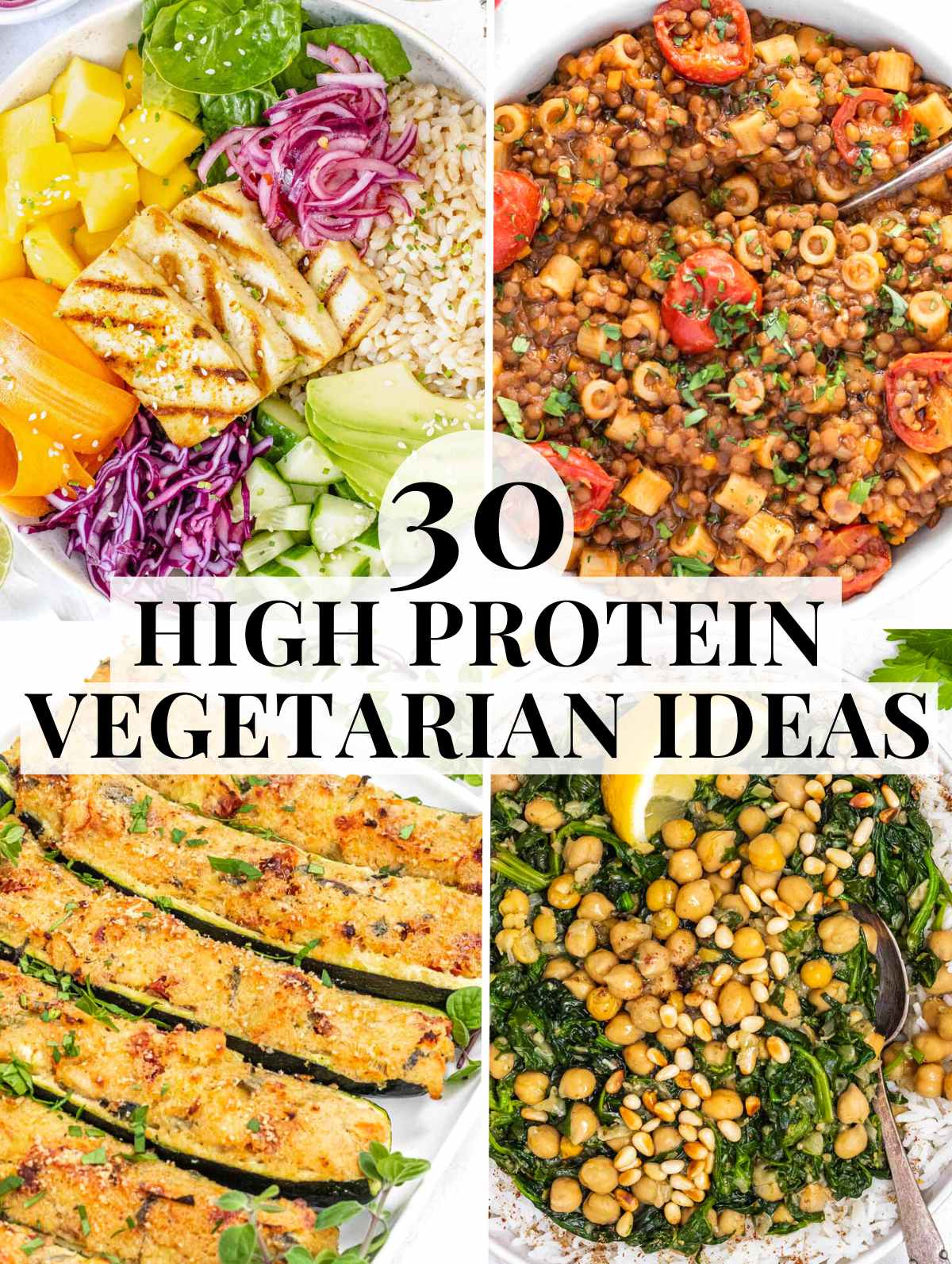
high protein vegetarian recipe

- The Best high protein vegetarian recipe
- Chickpea & Spinach Stuffed Peppers with Quinoa
- 🥘Ingredients
- 👨🍳Directions
- 🔧Equipment
- 📊Nutrition Facts (per serving)
- 📝Notes
- Watch Video Of How Chickpea & Spinach Stuffed Peppers with Quinoa Works
- ❓ Frequently Asked Questions About Chickpea & Spinach Stuffed Peppers with Quinoa
The Best high protein vegetarian recipe
One of the best parts is how versatile this recipe is. I make it for game-day dinners because it’s filling enough to keep everyone from reaching for snacks, and it holds up well in leftovers—no one even notices it’s been reheated the next day. The health benefits are what really make it special, though. It’s loaded with fiber from the lentils and chickpeas, which keeps digestion smooth, and the plant-based protein helps build muscle and keeps me feeling strong as I get older. My kids get excited about the way the spices make it taste like something special, even if they don’t know all the science behind it. It’s a recipe that feels like a treat but also does real work for their bodies—something I appreciate more than you’d think. Plus, it’s a great way to sneak in more greens if you’re blending in spinach or adding a handful of kale to the mix without them even realizing it.
Chickpea & Spinach Stuffed Peppers with Quinoa
A high-protein, vegetarian stuffed pepper dish packed with chickpeas, quinoa, and fresh spinach, perfect for a nutritious meal. This recipe is a must-try for any occasion.
🥘Ingredients
- 1 cup cooked quinoa
- 1 can (15 oz) chickpeas, drained and rinsed
- 2 cups fresh spinach, chopped
- 1 small red onion, finely diced
- 2 cloves garlic, minced
- 1 bell pepper, diced
- 1 tsp cumin
- 1 tsp paprika
- ½ tsp turmeric
- ½ cup tomato sauce
- 1 tbsp olive oil
- 4 large bell peppers (any color), tops cut off and seeds removed
- 1 cup shredded cheese (optional, e.g., feta or mozzarella)
- ½ cup Greek yogurt (for serving)
👨🍳Directions
-
1
Preheat oven to 375°F (190°C). Cut the tops off 4 bell peppers and remove seeds and membranes. -
2
In a large bowl, combine cooked quinoa, chickpeas, spinach, onion, garlic, bell pepper, cumin, paprika, turmeric, and tomato sauce. Mix well. -
3
Stuff each bell pepper with the quinoa-chickpea mixture, pressing gently to fill them. -
4
Place stuffed peppers in a baking dish, top each with a slice of shredded cheese (if using). -
5
Bake for 30–35 minutes until peppers are tender and cheese is melted. -
6
Let cool for 5 minutes, then serve with a dollop of Greek yogurt.
🔧Equipment
- Mixing bowls
- Knife and cutting board
- Oven
- Baking dish
📊Nutrition Facts (per serving)
📝Notes
Tips
- For extra protein, add ½ cup lentils to the filling.
- Use low-sodium tomato sauce to reduce sodium content.
- Swap quinoa for brown rice if preferred.
Watch Video Of How Chickpea & Spinach Stuffed Peppers with Quinoa Works
❓ Frequently Asked Questions About Chickpea & Spinach Stuffed Peppers with Quinoa
What are the best high-protein vegetarian ingredients to include in my meals?
The best high-protein vegetarian ingredients include:
– Lentils (18g protein per cooked cup)
– Chickpeas (15g protein per cooked cup)
– Tofu (10-20g protein per 100g, depending on type)
– Tempeh (19g protein per cooked cup)
– Quinoa (8g protein per cooked cup)
– Edamame (17g protein per cooked cup)
– Greek yogurt or cottage cheese (15-20g protein per cup)
– Nuts and seeds (e.g., almonds, chia, hemp seeds)
– Protein powder (whey, soy, or plant-based blends)
—
How can I ensure my vegetarian diet provides enough protein without relying on animal products?
To meet protein needs without animal products, focus on protein combos like:
– Beans + grains (e.g., black beans + rice)
– Nuts + seeds (e.g., peanut butter + whole-grain toast)
– Legumes + dairy (e.g., hummus + whole-wheat pita)
– Plant-based protein powders (blended into smoothies or baked goods)
– High-protein vegan meats (e.g., Beyond Meat, Impossible Burger)
Use protein tracking apps (like MyFitnessPal) to monitor intake and adjust portion sizes.
—
Are there any common mistakes people make when trying to eat high-protein vegetarian diets?
Common mistakes include:
– Skipping variety—relying too much on the same protein sources (e.g., only lentils or tofu).
– Overestimating protein from whole foods—some plant proteins (like nuts/seeds) have lower digestibility than animal proteins.
– Ignoring protein timing—spreading intake evenly throughout the day (e.g., 20-30g per meal) is key.
– Overcooking protein-rich foods—steaming or lightly cooking lentils/tempeh preserves protein content better than boiling.
– Neglecting fiber & micronutrients—high-protein diets can lack vitamins (e.g., B12, iron) if not balanced with veggies, fruits, and fortified foods.
—
Can I get enough protein from a vegetarian diet if I’m physically active or building muscle?
Yes! A high-protein vegetarian diet can support muscle growth and recovery if:
– You aim for 1.6–2.2g of protein per kg of body weight (e.g., 120–165g for a 75kg person).
– You combine protein sources (e.g., Greek yogurt + nuts, lentils + quinoa).
– You include complete proteins (e.g., soy products, hemp seeds, or combining grains + legumes).
– You prioritize post-workout meals with fast-digesting proteins (e.g., tofu stir-fry, protein shakes).
Studies show plant-based protein can be just as effective as animal protein for muscle synthesis—just ensure variety and adequate intake.
—
What are some easy high-protein vegetarian meal ideas for busy schedules?
Here are quick, protein-packed meal ideas:
– Breakfast:
– Overnight oats (rolled oats + chia seeds + Greek yogurt + peanut butter + flaxseeds).
– Smoothie bowl (protein powder + spinach + banana + almond milk + hemp seeds).
– Lunch:
– Lentil soup (with whole-wheat bread + side salad).
– Tofu scramble (with black beans, salsa, and avocado).
– Dinner:
– Quinoa & chickpea bowls (with roasted veggies and tahini dressing).
– Stuffed bell peppers (with ground tempeh, brown rice, and lentils).
– Snacks:
– Hard-boiled eggs + hummus + veggies.
– Protein pudding (cottage cheese + berries + cinnamon).
– Edamame with sea salt (steamed and sprinkled with nutritional yeast).
These meals take 10–20 minutes and provide 20–30g protein per serving.

