
homemade hummus recipe without tahini

The Best homemade hummus recipe without tahini
My kids actually love this version best. They’ll eat it straight from the bowl with their hands, dip their veggies in it, or even spread it on toast if we’re feeling lazy. It’s that kind of hummus that doesn’t feel like a health sacrifice—it’s still packed with protein and fiber from the chickpeas, and the garlic and lemon give it that bright, zesty kick that makes it feel fresh and energizing. I’ve found it works wonderfully for everyday meals, like a quick snack after school or a filling part of a bigger spread for dinner. And honestly, it’s so versatile—you can serve it with fresh pita, crackers, or even as a dip for grilled chicken or veggies. It’s that kind of recipe that feels like a staple, not just a one-time thing. Plus, the health benefits are real: it’s loaded with plant-based protein, healthy fats from the olive oil, and vitamins from the lemon and garlic. It’s a way to get more nutrients without feeling like you’re eating some kind of gimmick food.
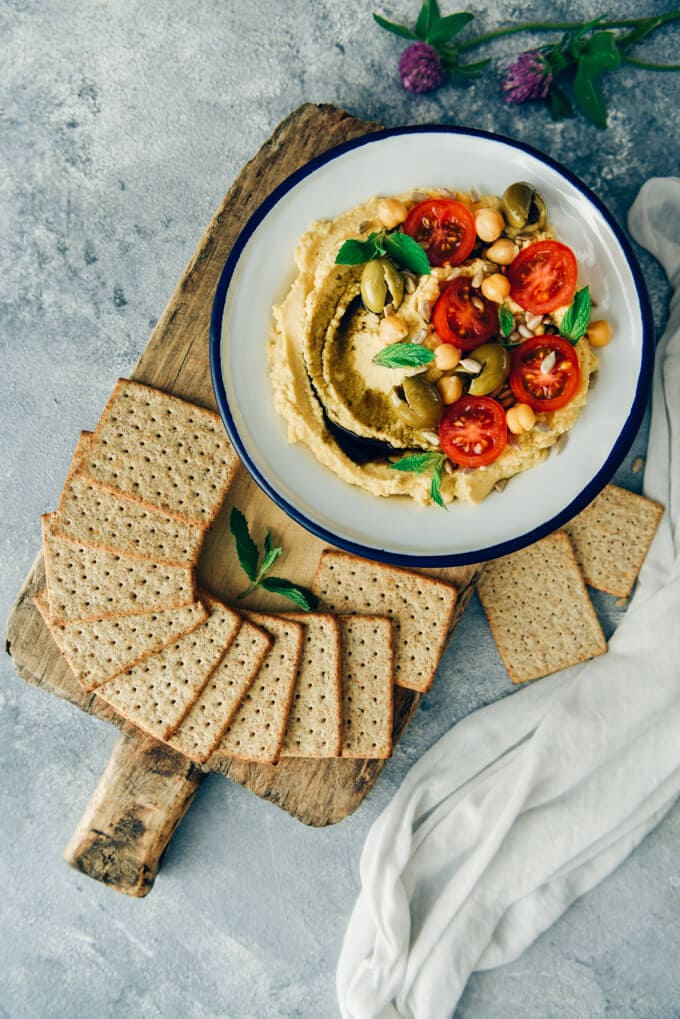
Classic Homemade Hummus (Without Tahini)
A creamy, flavorful hummus made with chickpeas, lemon, garlic, and olive oil, perfect for dipping or spreading. This recipe is a must-try for any occasion.
🥘Ingredients
- 1 can (15 oz) chickpeas, drained and rinsed
- 3 tbsp extra-virgin olive oil
- 2 tbsp lemon juice (freshly squeezed)
- 2 cloves garlic, minced
- 1 tsp ground cumin
- ½ tsp paprika
- ½ tsp salt (adjust to taste)
- ½ tsp black pepper
- 1 tbsp chopped fresh parsley or cilantro
- 1 tbsp tahini-free hummus thickener (e.g., blended roasted chickpeas or a small amount of blended flaxseed for binding)
👨🍳Directions
-
1
Drain and rinse the chickpeas, then transfer them to a food processor or blender. -
2
Add olive oil, lemon juice, minced garlic, cumin, paprika, salt, and black pepper. Blend until smooth and creamy. -
3
For a thicker consistency, add a small amount of blended roasted chickpeas or flaxseed as a thickener if needed. -
4
Transfer hummus to a bowl, stir in fresh herbs if using, and adjust seasoning with salt or lemon juice as needed.
🔧Equipment
- Food processor or blender
- Large mixing bowl
- Whisk
📊Nutrition Facts (per serving)
📝Notes
Tips
- For extra richness, add a pinch of za’atar or sumac for a Middle Eastern twist.
- Store hummus in an airtight container in the fridge for up to 5 days.
- To prevent separation, blend hummus with a small amount of water or lemon juice before storing.
Watch Video Of How Classic Homemade Hummus (Without Tahini) Works
❓ Frequently Asked Questions About Hummus (Without Tahini)
What is the main difference between homemade hummus with tahini and without tahini?
Homemade hummus without tahini typically relies more on chickpeas, garlic, lemon juice, olive oil, and a touch of salt for creaminess and flavor. Tahini adds a rich, nutty depth and thickness, so without it, the hummus may be lighter in texture and flavor profile.
Can I substitute tahini with another ingredient if I don’t have it?
Yes! You can use avocado mash (blended with lemon juice and salt) for a creamier texture, yogurt or Greek yogurt for a tangy twist, or extra olive oil to enhance richness. A mix of Greek yogurt and olive oil works well too.
How do I make hummus without tahini extra creamy?
To achieve a smoother texture, blend the chickpeas with extra olive oil (start with ½ cup and add gradually), Greek yogurt or avocado for thickness, and ensure the chickpeas are well-soaked and cooked for better blending. A food processor works best for a silky finish.
Why does my hummus without tahini taste bland compared to store-bought?
Blandness often comes from under-seasoning or improper blending. Boost flavor by adding more lemon juice (adjust to taste), garlic, cumin, or smoked paprika, and ensuring the chickpeas are well-seasoned before blending. A pinch of salt and extra olive oil can also help balance the taste.
Can I use canned chickpeas instead of dried chickpeas in this recipe?
Yes! Canned chickpeas are convenient, but they may be slightly softer. Rinse them well to remove excess salt, and you can still achieve a creamy hummus. For best results, blend with extra olive oil and a little extra lemon juice to compensate for any slight wateriness.

