
jamaican jerk seasoning recipe

The Best jamaican jerk seasoning recipe
I love this recipe because it’s versatile—you can use it for everyday cooking or make it special for holidays or celebrations. The health benefits are nice too; it’s full of natural spices like allspice, thyme, and scotch bonnet peppers, which add depth without overpowering. Plus, jerk seasoning is so easy to make at home, and there’s nothing like the fresh, homemade taste compared to store-bought. My family always says it’s the best way to eat, and honestly? I couldn’t agree more. It’s comforting, flavorful, and just the right amount of spicy to keep things exciting.
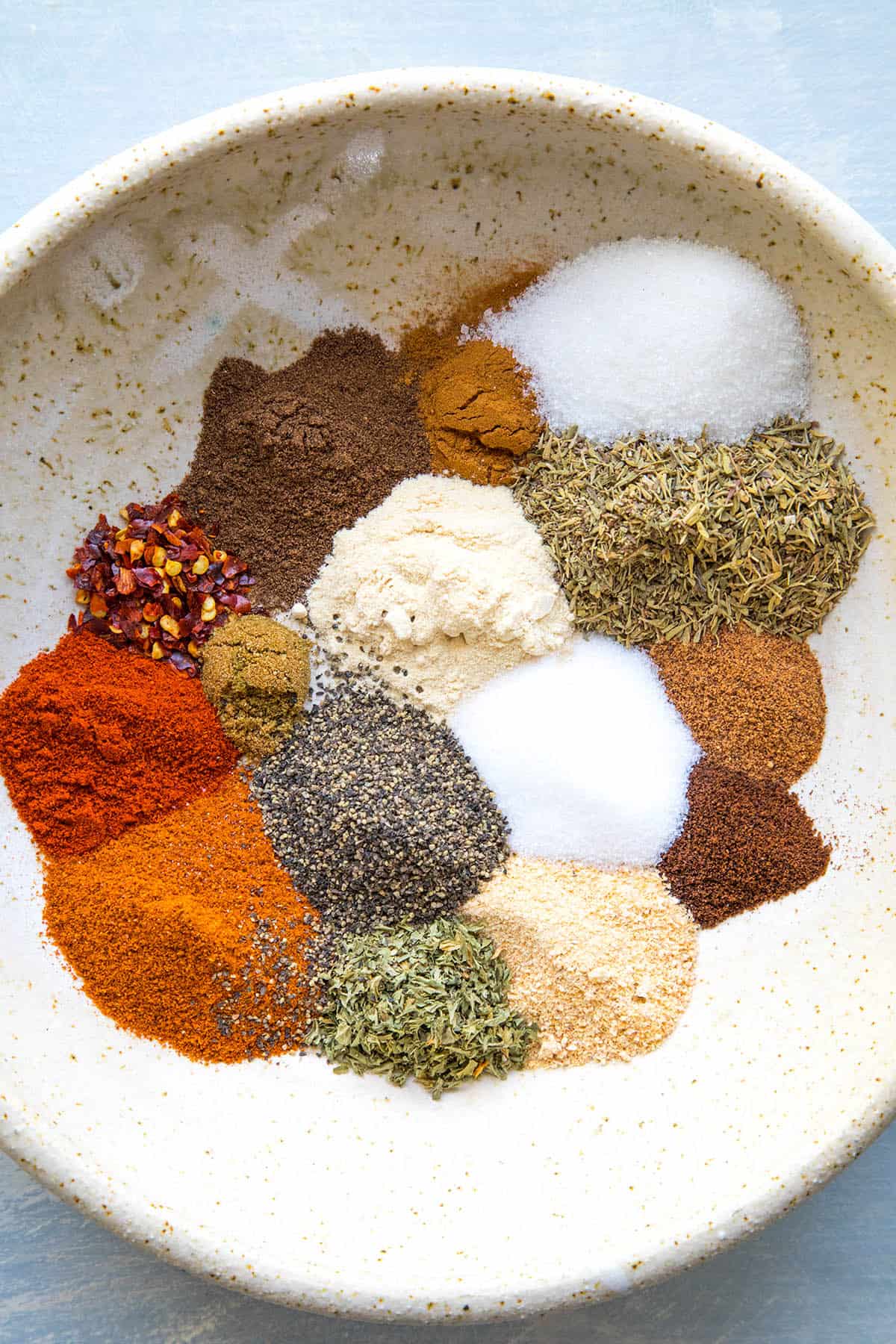
Classic Jamaican Jerk Seasoning Recipe
A vibrant and aromatic jerk seasoning that captures the bold flavors of Jamaica. Perfect for marinating chicken, pork, or tofu.
🥘Ingredients
- 4 large Scotch bonnet peppers, seeded and chopped
- 4 large allspice berries
- 4 cloves garlic
- 4 large onions, quartered
- 4 large Scotch bonnet peppers (for heat, optional for extra spice)
- 1 cup brown sugar
- 1 cup soy sauce
- 1 cup apple cider vinegar
- 1 cup dark rum (optional)
- 1 tsp ground cinnamon
- 1 tsp ground nutmeg
- 1 tsp ground cloves
- 1 tsp ground ginger
- 1 tsp salt
- 1 tsp black pepper
- 1 tsp dried thyme
- 1 tsp dried oregano
- 1 tsp ground allspice
- 1 tbsp ground turmeric
👨🍳Directions
-
1
Preheat oven to 400°F (200°C). If using fresh Scotch bonnet peppers, remove seeds for less heat. -
2
In a food processor or blender, combine all the jerk seasoning ingredients. Pulse until finely chopped. -
3
Transfer the mixture to a bowl and mix well with a whisk. Adjust seasoning to taste if needed. -
4
Store the jerk seasoning in an airtight container in the refrigerator for up to 2 weeks or freeze for longer storage.
🔧Equipment
- Mixing bowl
- Food processor or blender
- Large skillet
- Whisk
- Measuring cups and spoons
📊Nutrition Facts (per serving)
📝Notes
Tips
- For extra smoky flavor, toast the allspice berries in a dry skillet for 2-3 minutes before blending.
- Substitute Scotch bonnet peppers with habaneros or cayenne pepper for a milder heat level.
- Use the jerk seasoning to marinate meat for at least 1 hour, or overnight for best results.
Variations
- Add 1 tbsp smoked paprika for a deeper smoky taste.
- Include 1 cup chopped fresh cilantro for a fresh twist.
Watch Video Of How Classic Jamaican Jerk Seasoning Recipe Works
❓ Frequently Asked Questions About Jamaican Jerk Seasoning
What are the essential ingredients for making authentic Jamaican jerk seasoning?
The essential ingredients for authentic Jamaican jerk seasoning include: allspice (pimento), Scotch bonnet peppers (or habaneros for a milder version), garlic, thyme, Scotch or Jamaican ginger, onion, brown sugar, salt, and a splash of soy sauce. Some recipes also include a touch of cayenne pepper for extra heat.
—
Why is allspice so important in jerk seasoning?
Allspice is the cornerstone of jerk seasoning because it gives the dish its distinct, warm, and slightly sweet flavor profile. It’s a blend of cinnamon, nutmeg, and cloves, which together create a complex, aromatic taste that’s unmistakably Jamaican. Without it, the seasoning would lack depth and character.
—
Can I substitute Scotch bonnet peppers with other peppers if I can’t find them?
Yes, you can substitute Scotch bonnet peppers with habaneros, Thai chilies, or even a mix of cayenne pepper and serrano peppers for heat. However, keep in mind that Scotch bonnets have a unique fruity, slightly sweet heat, so the flavor profile might differ slightly. For a milder jerk, reduce the amount or skip the peppers altogether.
—
How do I balance the sweetness and heat in jerk seasoning?
To balance sweetness and heat, start with a moderate amount of brown sugar (about 1–2 tablespoons) and adjust to taste. If the seasoning feels too sweet, add a pinch of cayenne or extra Scotch bonnet pepper. If it’s too spicy, reduce the peppers or add a bit more brown sugar. Taste as you go and adjust gradually.
—
Is it necessary to use a dry rub or can I make jerk seasoning wet?
While jerk seasoning is traditionally made as a dry rub (mixed with oil before coating meat), you can also make a wet version by blending the ingredients into a paste. However, a dry rub tends to cling better to the meat and penetrates deeper, giving a more intense flavor. For best results, use a mix of both—dry rub for coating and a paste for marinating.
