
japanese chicken curry recipe

The Best japanese chicken curry recipe
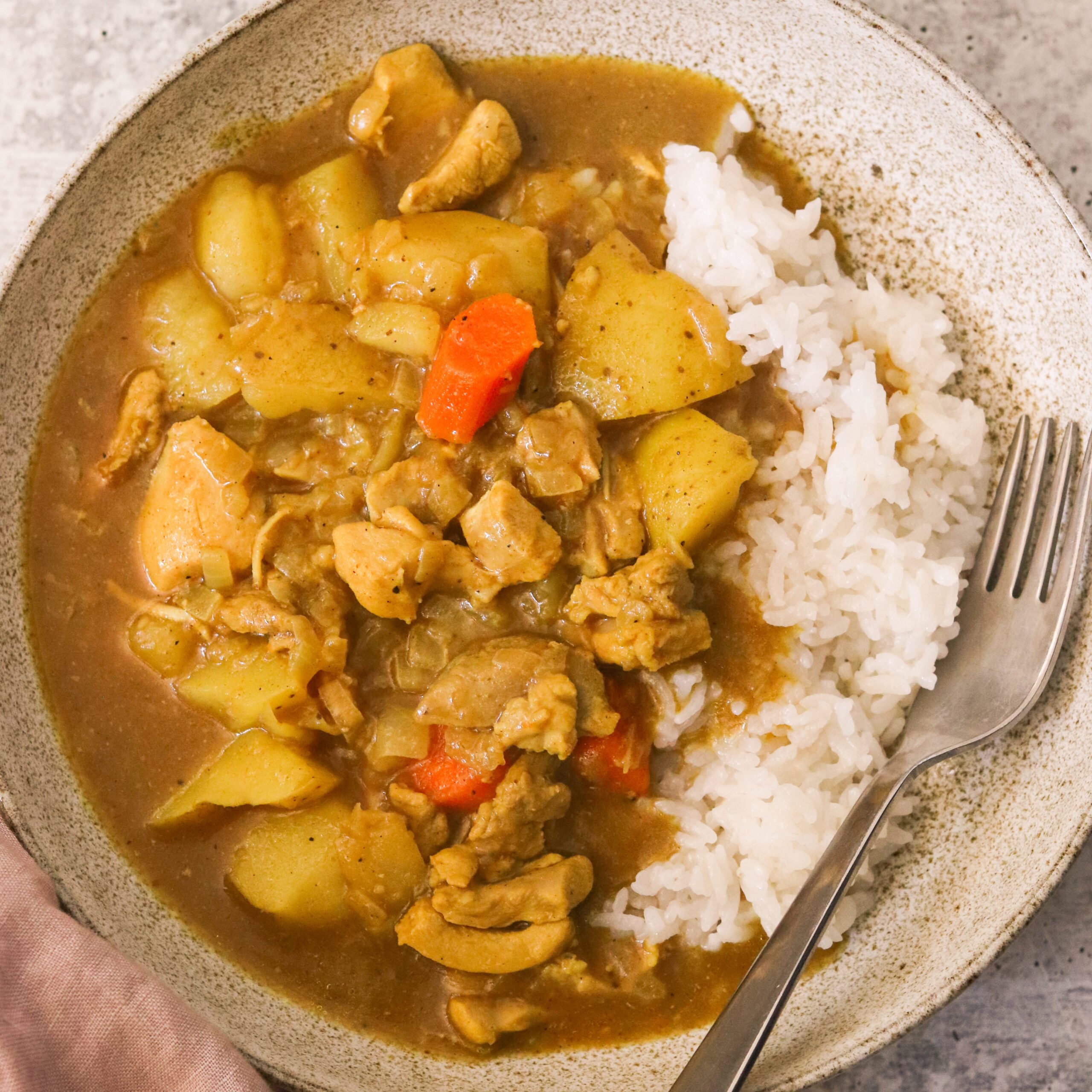
Classic Japanese Chicken Curry
A comforting, flavorful Japanese-style curry with tender chicken and aromatic spices, served with fluffy rice. Perfect for a cozy weeknight meal.
🥘Ingredients
- 2 boneless, skinless chicken thighs
- 1 tbsp soy sauce
- 1 tbsp mirin
- 1 tbsp sake
- 1 tbsp vegetable oil
- 1 tbsp butter
- 1 tbsp olive oil
- 1 medium onion, finely diced
- 3 cloves garlic, minced
- 1 tbsp grated ginger
- 1 can (14 oz) diced tomatoes
- 1 tbsp curry powder
- 1 tsp turmeric
- 1 tsp cumin
- 1 cup chicken broth
- 1 tbsp honey
- 2 cups cooked white rice
- 1 tbsp fresh parsley, chopped
👨🍳Directions
-
1
Preheat oven to 375°F (190°C). In a bowl, combine chicken thighs with soy sauce, mirin, sake, and vegetable oil. Marinate for at least 15 minutes. -
2
In a large skillet, heat butter and olive oil over medium heat. Add diced onion, garlic, and ginger. Sauté for 3–4 minutes until softened. -
3
Add curry powder, turmeric, and cumin to the skillet. Stir for 1 minute until fragrant. Pour in diced tomatoes (with juice), chicken broth, and honey. Simmer for 5 minutes. -
4
Remove chicken from marinade and add it to the skillet. Cook for 10 minutes, stirring occasionally, until the chicken is cooked through and the sauce thickens. -
5
Serve the chicken curry over steamed white rice, garnished with fresh parsley.
🔧Equipment
- Large skillet
- Mixing bowl
- Knife and cutting board
- Wooden spoon
📊Nutrition Facts (per serving)
📝Notes
Watch Video Of How Classic Japanese Chicken Curry Works
❓ Frequently Asked Questions About Japanese Chicken Curry
1. What is the best way to keep the curry thick and flavorful?
To ensure a rich, velvety texture, simmer the chicken and broth until the meat is tender, then strain the liquid through a fine-mesh sieve. Stir in the roux (mixed butter, flour, and aromatics) and cook until it thickens into a glossy paste. For extra depth, add a splash of soy sauce or a pinch of miso paste toward the end.
—
2. Can I substitute any of the ingredients, and if so, what are the best swaps?
– Butter or oil: Use neutral oil like vegetable or canola for a dairy-free option.
– Chicken thighs: Substitute boneless, skinless breasts, but reduce cooking time by 5–10 minutes since thighs stay juicier.
– Onion and garlic: Use shallots or a mix of fresh ginger for a milder flavor.
– Dashi stock: Replace with a mix of chicken and vegetable broth (1:1 ratio) for a vegetarian version.
– Potatoes: Swap for carrots or parsnips if you prefer a sweeter, crunchier texture.
—
3. How do I avoid making the curry too watery?
To prevent a thin consistency, start with a smaller amount of broth than the recipe calls for. After simmering the chicken, reduce the liquid by half before adding the potatoes and vegetables. If needed, thicken the sauce further by whisking in a cornstarch slurry (1 tbsp cornstarch + 2 tbsp water) at the end.
—
4. What’s the ideal serving suggestion for this recipe?
This curry pairs beautifully with steamed white rice, but you can also serve it over:
– Jasmine rice for a fragrant contrast
– Basmati rice for a slightly nutty flavor
– Quinoa for a protein-rich side
For extra indulgence, top with crispy fried shallots or a dollop of sour cream (if dairy is tolerated).
—
5. How long should I let the curry simmer to let the flavors meld?
Simmering time is key—aim for 25–30 minutes after adding the vegetables and potatoes. The longer it cooks, the deeper the caramelized notes from the onions and the richer the sauce. If you’re short on time, reduce the simmer to 20 minutes, but the dish will lack complexity.

