
jerusalem artichoke recipe

- The Best jerusalem artichoke recipe
- Roasted Jerusalem Artichoke and Goat Cheese Frittata
- 🥘Ingredients
- 👨🍳Directions
- 🔧Equipment
- 📊Nutrition Facts (per serving)
- 📝Notes
- Watch Video Of How Roasted Jerusalem Artichoke and Goat Cheese Frittata Works
- ❓ Frequently Asked Questions About Roasted Jerusalem Artichoke and Goat Cheese Frittata
The Best jerusalem artichoke recipe
What really sells them for me is how healthy they are. They’re packed with fiber, which keeps us feeling full and supports digestion, and they’re low in calories but high in nutrients. My kids have been eating them since they were little, and I’ve noticed they’ve got steady energy without the sugar crashes that come with processed snacks. They’re also a great way to sneak in some vitamins and minerals without making it feel like a chore. Plus, they’re a fun little project—planting them is easy, and they grow so well that you can harvest them year after year. It’s a no-fuss way to add something fresh and flavorful to the table, whether you’re serving them as a side dish, in salads, or even blended into soups. My family loves that they’re a little different but still approachable, and I always feel good knowing we’re eating something that’s both tasty and good for us. It’s one of those recipes that feels like a win all around.
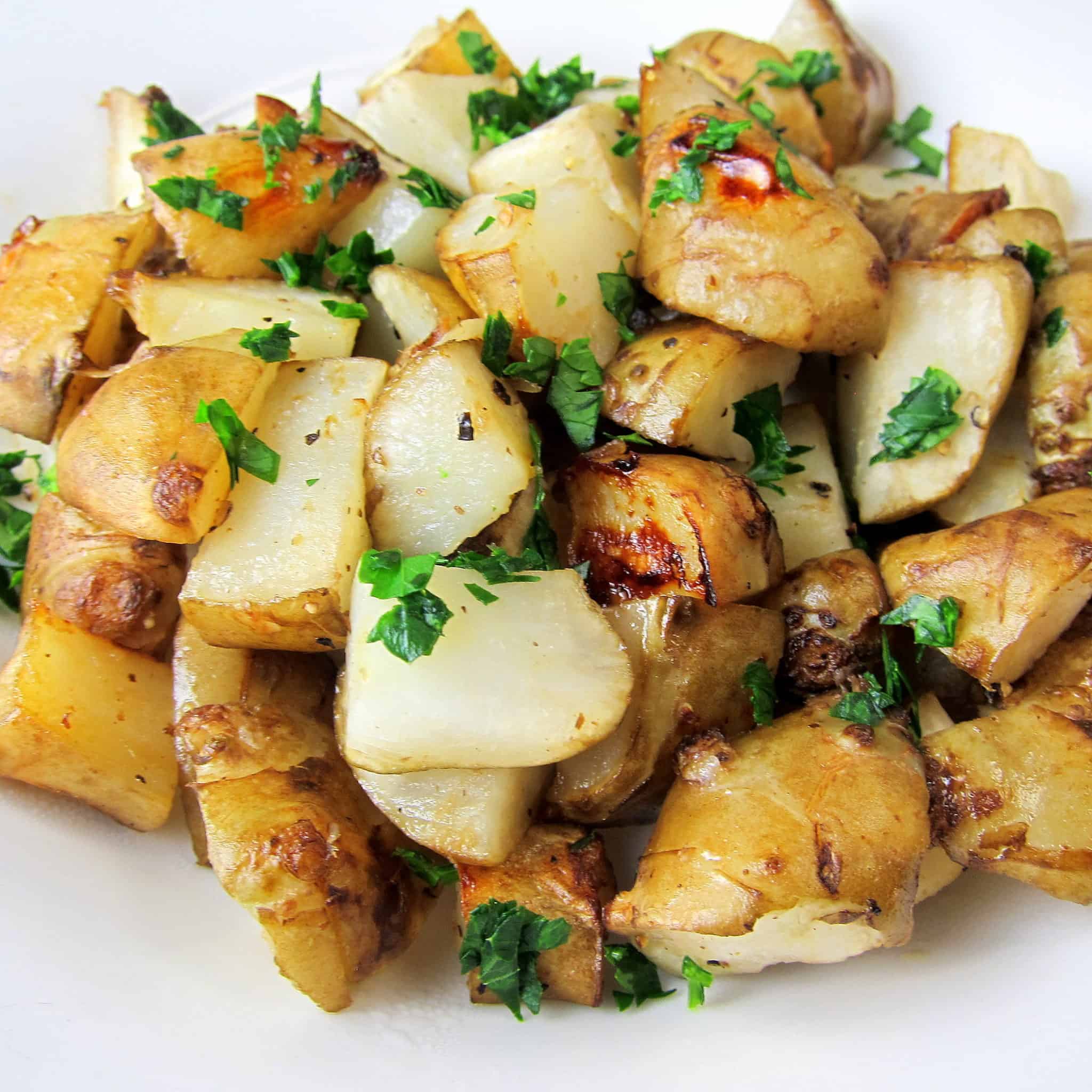
Roasted Jerusalem Artichoke and Goat Cheese Frittata
A delightful dish featuring roasted Jerusalem artichokes paired with creamy goat cheese in a fluffy frittata. This recipe highlights the earthy sweetness of artichokes and adds a rich, tangy touch with goat cheese.
🥘Ingredients
- 6 large eggs
- 1 cup whole milk
- 1/2 cup heavy cream
- 1/2 cup shredded goat cheese
- 1/4 cup grated Parmesan cheese
- 1 tbsp olive oil
- Salt and pepper to taste
- 4 medium Jerusalem artichokes (about 2 lbs)
- 3 tbsp olive oil
- 1 tsp salt
- 1/2 tsp black pepper
- 1/2 tsp garlic powder
- 1/2 tsp dried thyme
- Freshly chopped parsley
- Extra goat cheese
- Crumbled feta cheese
- Sliced cherry tomatoes
👨🍳Directions
-
1
Preheat oven to 400°F (200°C). Line a baking sheet with parchment paper. -
2
Peel Jerusalem artichokes by cutting off the top, then slicing the bottom in half lengthwise. Remove the core and slice into 1/2-inch thick rounds. -
3
In a large bowl, toss artichoke slices with olive oil, salt, pepper, garlic powder, and thyme until evenly coated. -
4
Spread artichoke slices evenly on the prepared baking sheet. Roast for 25-30 minutes, flipping halfway, until tender and golden. -
5
While artichokes roast, whisk eggs, milk, heavy cream, goat cheese, Parmesan, olive oil, salt, and pepper in a large bowl until well combined. -
6
Once artichokes are done, transfer them to the oven-safe skillet. Pour the egg mixture over the artichokes, spreading evenly. -
7
Bake at 375°F (190°C) for 15-20 minutes, or until the edges are set and the center is lightly cooked. Let it rest for 5 minutes before slicing.
🔧Equipment
- Mixing bowls
- Cutting board
- Sharp knife
- Oven-safe skillet (8-inch)
- Oven
- Whisk
- Baking sheet
📊Nutrition Facts (per serving)
📝Notes
Tips
- For extra flavor, add a pinch of smoked paprika or a dash of hot sauce to the egg mixture.
- Substitute goat cheese with feta or a mix of cheeses if preferred.
- Ensure artichokes are fully tender before adding the egg mixture to avoid a soggy frittata.
- Serve with a side of arugula salad or crusty bread to complement the dish.
Watch Video Of How Roasted Jerusalem Artichoke and Goat Cheese Frittata Works
❓ Frequently Asked Questions About Roasted Jerusalem Artichoke and Goat Cheese Frittata
What is the best way to prepare Jerusalem artichokes for cooking?
Jerusalem artichokes (also called sunchokes) should be peeled by hand or with a vegetable peeler, removing the outer skin, which can be tough and fibrous. Start from the top and work your way down, then trim off the root end. If they’re large, you can cut them into chunks or leave them whole for roasting. For cooking, they’re best peeled and either boiled, roasted, sautéed, or even eaten raw (if peeled and peeled well).
—
Can I substitute another vegetable in the recipe if I don’t have Jerusalem artichokes?
While Jerusalem artichokes have a unique nutty, earthy flavor, you can try substituting with sunchokes (same thing), tubers like parsnips or sweet potatoes (for a sweeter texture), or even artichoke hearts (if using canned, though they lose some texture). For a closer match, sunchokes are the best replacement, but keep in mind that their flavor and texture may differ slightly.
—
How do I store Jerusalem artichokes to keep them fresh longer?
Store peeled Jerusalem artichokes in an airtight container in the refrigerator for up to 1 week. If unpeeled, keep them in a cool, dark place (like a pantry) for 2–3 weeks, or refrigerate wrapped in a damp towel for longer freshness. Frozen peeled tubers can last up to 6 months—blanch them first (boil for 3–5 minutes) before freezing to preserve texture.
—
Why do some recipes say Jerusalem artichokes taste like acorns, and how can I reduce this flavor?
Jerusalem artichokes contain inulin, a prebiotic fiber that gives them a slightly sweet, nutty, and even earthy (or acorn-like) taste. To minimize this, boil or roast them first—cooking softens the flavor. Adding butter, garlic, or olive oil in recipes can also help balance the taste. If you prefer a milder flavor, try sautéing them in oil or using them in dishes where other strong flavors (like herbs, spices, or cheese) dominate.
—
What are the best dishes to serve with Jerusalem artichokes, and are they suitable for a low-carb or keto diet?
Jerusalem artichokes work well in roasted or sautéed dishes, like artichoke and goat cheese frittatas, stuffed artichokes, or sides with garlic butter. They’re also great in salads (raw, peeled) or soups. For a low-carb/keto twist, try them in roasted artichoke and feta bowls, artichoke and white bean stew (with extra veggies), or as a roasted side with olive oil and herbs. Since they’re high in fiber and low in carbs, they can fit into a keto diet in moderation.


