
korean bbq sauce recipe

The Best korean bbq sauce recipe
What I love most about this sauce is how versatile it is. It works on everything from grilled meats to tofu or even just as a marinade for chicken breasts. We use it for everyday meals, but it also feels special when we’re hosting a small get-together or just treating ourselves to a nice dinner. Plus, it’s got some real health perks—it’s got natural sugars from the honey or brown sugar, which gives it that sweetness without all the refined stuff, and the ginger and garlic add some anti-inflammatory benefits. My kids don’t even realize how good it is for them because it just tastes so good. I mean, who wants to skip the flavor when the sauce is this delicious? It’s that kind of recipe that makes cooking feel less like a chore and more like an excuse to enjoy something tasty. And honestly, once you get the hang of it, it’s one of those things that’s easy to double or make extra for leftovers.
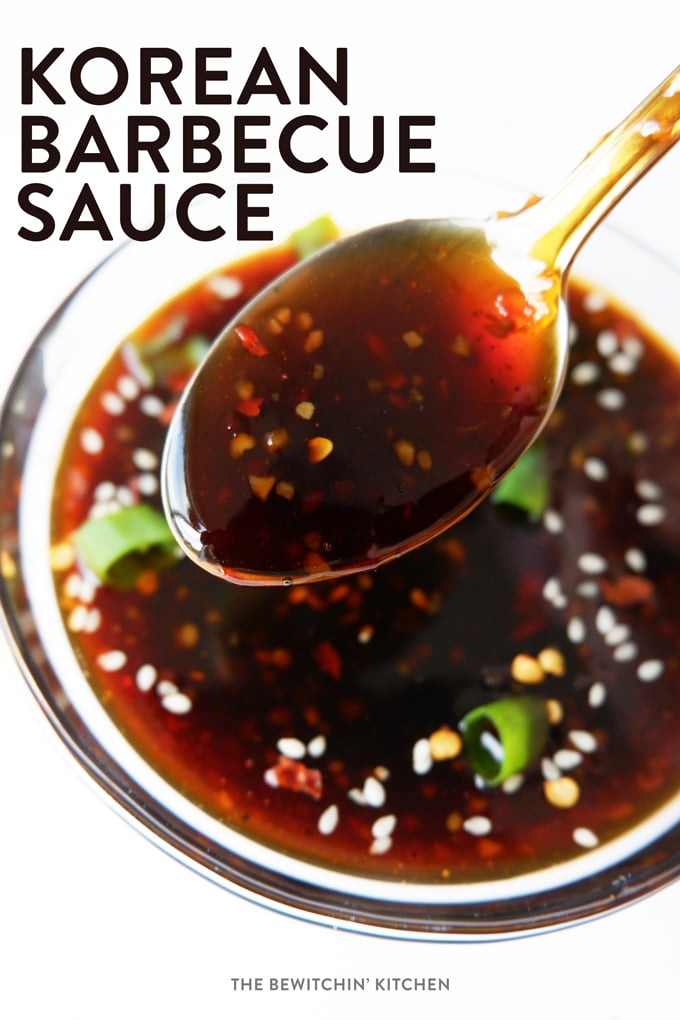
Korean BBQ Sauce (Gochujang-Based)
A rich, spicy, and tangy Korean BBQ sauce perfect for marinating meats or dipping. This recipe balances sweetness, heat, and umami flavors for a versatile condiment.
🥘Ingredients
- 1 cup (240ml) gochujang (Korean red pepper paste)
- ½ cup (120ml) soy sauce
- ¼ cup (60ml) brown sugar
- 2 tbsp (30ml) rice vinegar
- 1 tbsp (15ml) sesame oil
- 2 cloves garlic, minced
- 1 tbsp (15g) ginger, grated
- 1 small onion, finely chopped
- 1 tbsp (15ml) honey or sugar (optional, for balance)
- 1 tbsp (15ml) toasted sesame seeds
- 1 tsp (5ml) fish sauce (or soy sauce for vegetarian)
- ½ tsp (2.5g) black pepper
👨🍳Directions
-
1
In a saucepan, combine gochujang, soy sauce, brown sugar, rice vinegar, and sesame oil. Stir well. -
2
Add minced garlic, grated ginger, and chopped onion. Simmer over medium heat for 5–7 minutes, stirring occasionally. -
3
Remove from heat and let cool slightly. Stir in honey/sugar (if using), sesame seeds, fish sauce, and black pepper. -
4
For a smoother texture, strain through a fine-mesh sieve (optional). Adjust sweetness/spice to taste.
🔧Equipment
- Medium saucepan
- Mixing bowl
- Whisk
- Fine-mesh strainer (optional)
📊Nutrition Facts (per serving)
📝Notes
Tips
- For extra depth, add 1 tbsp (15ml) of fermented soybean paste (doenjang) or a splash of mirin.
- Store in an airtight container in the fridge for up to 2 weeks. Freeze for longer storage.
- Adjust spice level by adding more or less gochujang. For a milder sauce, reduce by half.
Variations
- Add 1 tbsp (15ml) of molasses or maple syrup for a deeper caramelized flavor.
- For a smoky twist, incorporate 1 tsp (5g) of smoked paprika.
Watch Video Of How Korean BBQ Sauce (Gochujang-Based) Works
❓ Frequently Asked Questions About Korean BBQ Sauce (Gochujang-Based)
What is the key difference between traditional Korean BBQ sauce and Western-style BBQ sauces?
The key difference lies in the balance of flavors—Korean BBQ sauce is typically spicier, sweeter, and more complex, with a deeper umami profile from ingredients like gochujang (fermented chili paste), soy sauce, and sometimes sesame oil. Western BBQ sauces are usually sweeter, tangier, or vinegar-based, with a focus on smokiness or fruitiness (like tomato or mustard).
—
Why does Korean BBQ sauce have a thick, sticky consistency, and how can I adjust it if mine is too runny?
Korean BBQ sauce achieves its thick texture through gochujang, honey, and a slow simmering process, which breaks down ingredients into a paste-like consistency. If yours is too runny, you can:
– Simmer longer (reduce the sauce on low heat for 10–15 minutes).
– Add a bit of cornstarch slurry (1 tbsp cornstarch + 2 tbsp water) and stir in.
– Use more gochujang or honey to thicken naturally.
– Cool slightly before serving—heat can make it thinner temporarily.
—
Can I make a vegan version of Korean BBQ sauce, and what substitutes replace meat-based ingredients?
Yes! Replace traditional meat-based ingredients with:
– Soy sauce or tamari (for umami) instead of Worcestershire.
– Vegan Worcestershire (look for brands like Beyond Meat or homemade—use molasses, vinegar, and mushrooms).
– Tofu or mushrooms (marinate in sauce before grilling for a meaty texture).
– Vegan gochujang (check brands like Gochugaru or homemade versions with fermented soybeans).
– Honey substitute: Agave nectar, maple syrup, or coconut sugar.
—
How do I balance the heat level in Korean BBQ sauce without compromising flavor?
Adjusting spice requires careful ingredient swaps and moderation:
– Reduce gochujang (start with half the amount) or use milder gochugaru (chili flakes) instead.
– Add more sweetness (honey, sugar, or fruit purée) to mellow heat.
– Use less vinegar (vinegar cuts spice but adds tang—balance with extra soy sauce).
– Add cooling elements: A pinch of coconut milk, yogurt, or a splash of milk (for a “cooling” effect).
– Experiment with cooling veggies: Serve with cucumber, radish, or lettuce to cut heat visually and texturally.
—
Why does my Korean BBQ sauce taste bland, and how can I fix it?
Blandness often stems from lack of depth in umami, saltiness, or acidity. Fix it by:
1. Boosting umami:
– Add 1 tsp fish sauce (or vegan fish sauce like Red Boat).
– Include 1 tsp miso paste or 1 tbsp soy sauce.
– Use 1 tsp sesame oil (adds nuttiness).
2. Enhancing saltiness:
– Increase soy sauce or gochujang by 1–2 tbsp.
– Add 1/2 tsp salt (or check your ingredients for hidden sodium).
3. Adding acidity:
– Stir in 1 tbsp rice vinegar or apple cider vinegar.
– Add 1/2 tsp lemon juice (last step to avoid burning).
4. Simmer longer: Reduce heat to low-medium and let flavors meld for 10–15 minutes.
5. Toasted garlic & sesame: Add 1 minced garlic clove and 1 tsp toasted sesame seeds at the end.


