
loaf cake recipe

The Best loaf cake recipe
I also appreciate how this recipe balances richness with a touch of wholesome ingredients. It’s not overly heavy, so it’s a great option for a lighter meal or a dessert that doesn’t weigh you down. Plus, the way the layers of cake and cream cheese frosting come together makes it feel indulgent without being too sugary. It’s the kind of recipe that feels like a treat but still feels like something you’d make for yourself, not something reserved for special occasions. And honestly, there’s something satisfying about cutting into a warm loaf cake after a long day—it’s that kind of simple, heartfelt comfort food.
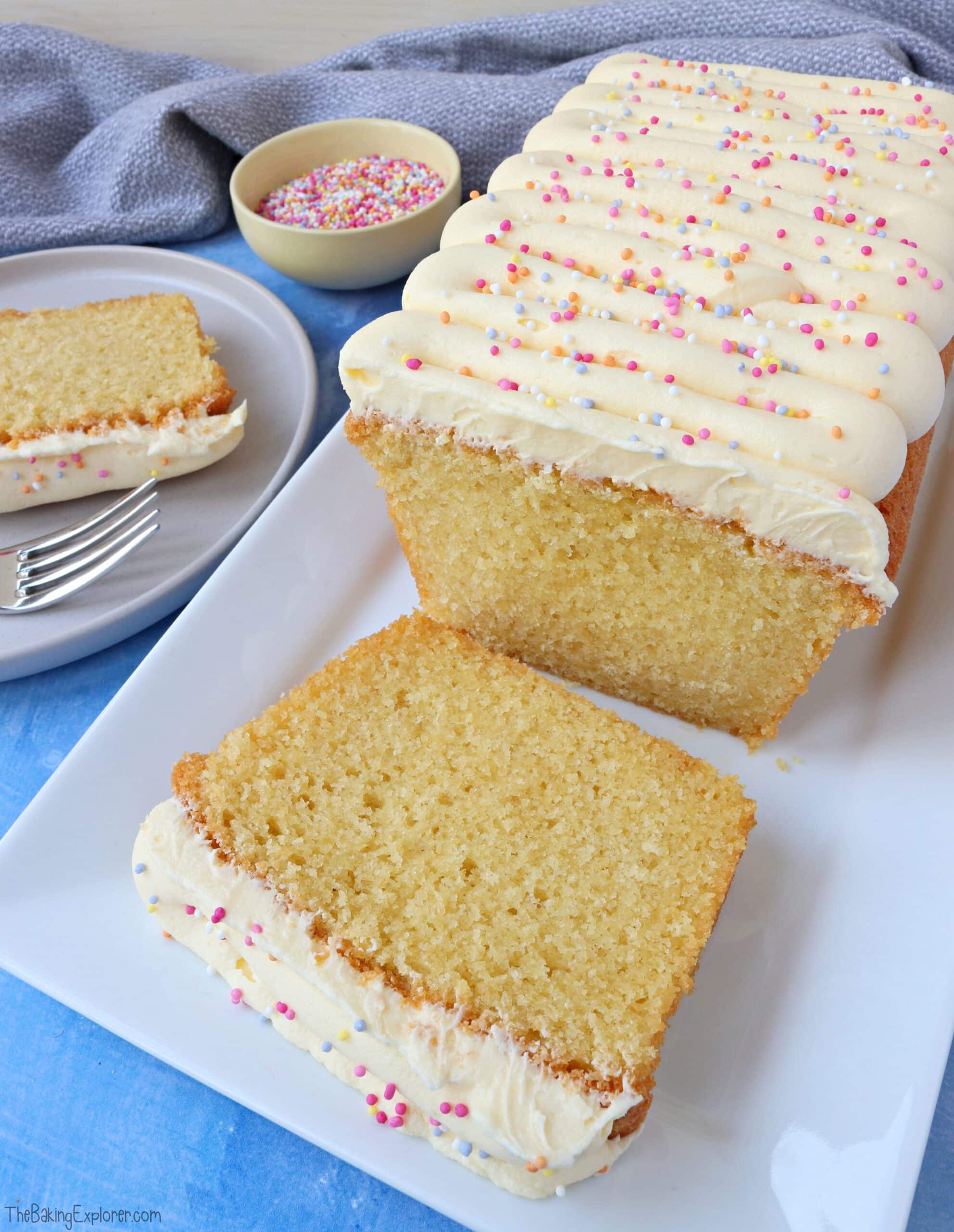
Easy Tomato Garlic Loaf Cake
A simple, flavorful loaf cake with a savory tomato-garlic sauce, perfect for sandwiches or as a side dish. This recipe is a must-try for any occasion.
🥘Ingredients
- 2 cups all-purpose flour
- 1 tsp salt
- 1 tsp baking powder
- 1 cup milk
- 1 large egg
- 1/2 cup melted butter
- 1 cup tomato sauce
- 2 cloves garlic, minced
- 1 tbsp olive oil
- 1 tsp dried oregano
- Salt and pepper to taste
👨🍳Directions
-
1
Preheat oven to 375°F. Grease a 9×5-inch loaf pan and line the bottom with parchment paper. -
2
In a large bowl, whisk together flour, salt, and baking powder. Add milk, egg, and melted butter. Mix until smooth. -
3
Pour the dough into the prepared loaf pan and smooth the top. In a small bowl, mix tomato sauce, garlic, olive oil, oregano, salt, and pepper. Spread evenly over the dough. -
4
Bake for 30–35 minutes, or until the cake is golden and a toothpick inserted comes out clean. -
5
Cool in the pan for 10 minutes, then transfer to a wire rack to cool completely.
🔧Equipment
- Mixing bowls
- Whisk
- Loaf pan
- Baking sheet
- Oven
📊Nutrition Facts (per serving)
📝Notes
Watch Video Of How Easy Tomato Garlic Loaf Cake Works
❓ Frequently Asked Questions About Tomato Garlic Loaf Cake
What is the best way to store this loaf cake to keep it fresh?
To maintain freshness, store the loaf cake in an airtight container at room temperature for up to two days. If you prefer it longer-lasting, wrap it tightly in plastic wrap and refrigerate for up to five days. For an even longer shelf life, freeze it—place it in a freezer-safe bag or container and store for up to three months. To reheat, warm it in a 350°F (175°C) oven for 10–15 minutes or use a toaster for a quick crumbly finish.
Can I substitute any of the ingredients if I’m out of one?
Yes, you can adjust some ingredients, but keep the ratios as close as possible for best results. For example, if you don’t have vanilla extract, substitute with 1 teaspoon vanilla bean paste or a drop of vanilla sugar. For a deeper flavor, add a pinch of cinnamon or nutmeg. If the recipe calls for all-purpose flour but you have bread flour, use it instead—it will give the cake a slightly denser texture. Avoid swapping baking powder or baking soda, as that could affect rise.
How do I know if my cake is done?
A loaf cake is done when the internal temperature reaches 300–325°F (150–160°C) on a meat thermometer, inserted into the center. Visually, the top should be golden brown, and the edges should pull away from the pan slightly. If you don’t have a thermometer, tap the center gently—it should sound hollow rather than dull.
Why did my cake turn out dense instead of light and fluffy?
Several factors could cause a dense loaf cake. First, check your baking powder or baking soda—if they’re expired, they won’t lift the batter properly. Overmixing the batter after adding the flour can also trap air, making the cake tough. Another common issue is an oven temperature that’s too low—aim for 350°F (175°C) for even baking. If your cake doesn’t rise as expected, try adding an extra ½ teaspoon of baking powder and mixing just until combined.
How can I make the glaze thicker if it’s too runny?
If your glaze is too thin, it can be fixed with a few simple tricks. For a quick fix, sprinkle a pinch of cornstarch or powdered sugar into the glaze and stir until it thickens slightly. If you prefer a smoother texture, let the glaze cool for 10–15 minutes before applying. For a more stable finish, reduce the glaze by simmering it gently on low heat for 1–2 minutes before brushing on the cake. Avoid overthickening it, though, as it may not stick well.


