
low sodium beef jerky recipe

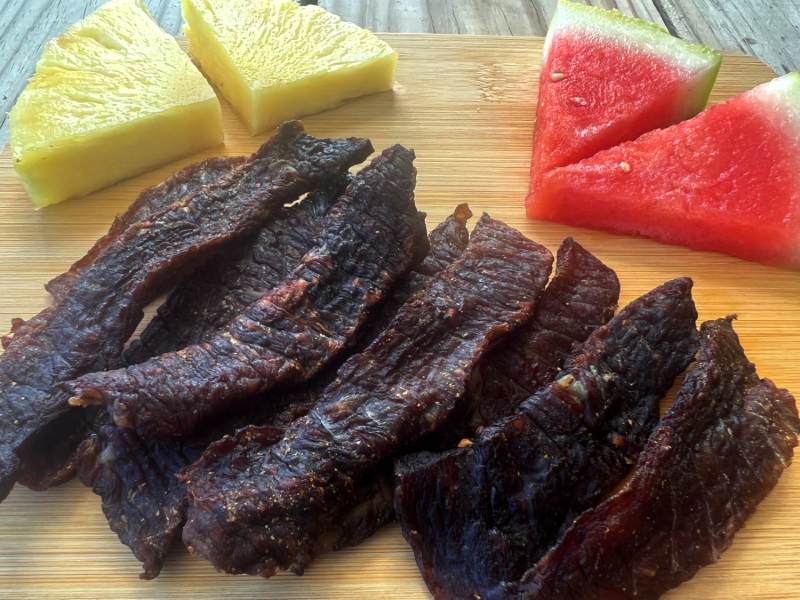
The Best low sodium beef jerky recipe
What I love most about this recipe is how simple it is to control the sodium without sacrificing flavor. Most commercial jerky is loaded with salt, but by making it at home, I can adjust the seasoning to fit our needs—whether that’s for my husband’s blood pressure or just keeping things lighter for the kids. Plus, it’s a great source of protein, making it a smart choice for busy days when we need something filling but not heavy. It’s perfect for road trips, hiking, or even just a mid-afternoon pick-me-up when you want something savory without the guilt. And honestly, there’s nothing better than pulling a batch out of the dehydrator and knowing exactly what went into it.
Low Sodium Beef Jerky
A flavorful and healthy homemade beef jerky with minimal sodium. Perfect for snacking or on-the-go protein, this recipe uses natural ingredients to keep the salt content low while maximizing taste.
🥘Ingredients
- 1.5 lbs lean beef (top round or flank steak), sliced into 1/4-inch strips
- 1/4 cup low-sodium soy sauce or coconut aminos
- 2 tbsp apple cider vinegar
- 1 tbsp Worcestershire sauce (low-sodium if available)
- 1 tbsp honey or maple syrup
- 1 tsp smoked paprika
- 1 tsp garlic powder
- 1 tsp onion powder
- 1/2 tsp black pepper
- 1/2 tsp cayenne pepper (optional, for heat)
- 1/2 tsp liquid smoke (optional, for smoky flavor)
👨🍳Directions
-
1
Slice the beef into 1/4-inch thick strips, cutting against the grain for tender jerky. Trim off any visible fat to prevent spoilage. -
2
In a mixing bowl, whisk together the low-sodium soy sauce, apple cider vinegar, Worcestershire sauce, honey, smoked paprika, garlic powder, onion powder, black pepper, cayenne pepper, and liquid smoke (if using). -
3
Add the beef strips to the marinade, ensuring they are fully coated. Cover the bowl and refrigerate for at least 4 hours, or overnight for deeper flavor. -
4
Preheat your oven to 175°F (or the lowest setting) or set your food dehydrator to 160°F. Line baking sheets with parchment paper if using an oven. -
5
Arrange the marinated beef strips on the baking sheets or dehydrator trays in a single layer, ensuring they do not overlap. Pat them dry with a paper towel to remove excess marinade. -
6
Bake in the oven for 3-4 hours or dehydrate for 4-6 hours, flipping the strips halfway through, until the jerky is dry but still pliable. It should not snap when bent. -
7
Remove the jerky from the oven or dehydrator and let it cool completely. Store in an air-tight container in the refrigerator for up to 2 weeks or freeze for longer storage.
🔧Equipment
- Mixing bowl
- Whisk
- Knife and cutting board
- Baking sheets or dehydrator trays
- Parchment paper
- Oven or food dehydrator
- Air-tight storage container
📊Nutrition Facts (per serving)
📝Notes
Watch Video Of How Low Sodium Beef Jerky Works
❓ Frequently Asked Questions About Low Sodium Beef Jerky
1. Why is low-sodium beef jerky healthier than regular beef jerky?
Low-sodium beef jerky reduces the risk of high blood pressure, heart disease, and water retention by limiting excess salt intake. Regular beef jerky often contains high sodium levels to enhance flavor and preservation, which can be problematic for those monitoring their salt consumption. A low-sodium version allows you to enjoy the protein benefits of jerky without the negative health effects of excessive sodium.
2. Can I use a different type of meat for this low-sodium beef jerky recipe?
Yes, you can substitute beef with other lean meats like turkey, chicken, venison, or even bison. Just ensure the meat is very lean (less than 10% fat) to prevent spoilage during drying. Adjust marinating times slightly—poultry may need less time, while game meats might benefit from a longer soak for tenderness.
3. How do I store low-sodium beef jerky to keep it fresh?
Store your low-sodium beef jerky in an airtight container or vacuum-sealed bag at room temperature for up to 1 week. For longer storage (up to 1 month), keep it in the refrigerator or freeze it for up to 6 months. Since it has less salt, it may spoil faster than commercial jerky, so check for mold or off smells before consuming.
4. What can I use as a salt substitute in low-sodium beef jerky?
Instead of salt, try flavorful alternatives like coconut aminos (lower-sodium soy sauce substitute), liquid smoke, garlic powder, onion powder, smoked paprika, or citrus zest. A splash of Worcestershire sauce (low-sodium version) or balsamic vinegar can also add depth without excess salt. Experiment with herbs like rosemary or thyme for extra flavor.
5. How do I know when my homemade beef jerky is fully dried?
Properly dried jerky should be leathery and slightly bendable but not snap when bent. It should not feel moist or sticky. If using a dehydrator, follow the recipe’s time guidelines (usually 4–6 hours at 160°F/71°C), but check periodically. For oven-dried jerky, test a piece after 3–4 hours. Over-drying can make it brittle, while under-drying risks spoilage.

