
low sugar pumpkin pie recipe


The Best low sugar pumpkin pie recipe
I’m so excited to share with you my low sugar pumpkin pie recipe that has become a staple in our household. As a busy mom of two, I’m always on the lookout for healthier alternatives to traditional desserts that still satisfy my family’s sweet tooth. This pie is not only delicious, but it’s also a great way to get in some extra nutrients and fiber.
The combination of pumpkin puree, almond milk, and spices makes for a rich and creamy filling that’s perfect for any occasion. And the best part? It’s incredibly easy to make and can be whipped up in under an hour.
My kids love helping me in the kitchen, and they’re always eager to get their hands on a slice (or two) of this tasty treat. In fact, it’s become a regular at our family gatherings, where it’s always a hit with both kids and adults alike. One of the things I love about this recipe is that it’s adaptable to different tastes and dietary needs.
For example, I can easily make it gluten-free by substituting the crust with a gluten-free mix or making my own crust using almond flour. And if someone in your household has a nut allergy, you can simply swap out the almond milk for another non-dairy milk alternative. The possibilities are endless!
But what really sets this pie apart is its health benefits. Not only is pumpkin packed with vitamins A and C, but it’s also high in fiber and antioxidants. And by using almond milk instead of traditional heavy cream, we’re reducing the saturated fat content significantly.
Plus, the spices used in this recipe have anti-inflammatory properties that can help boost our immune systems. So not only is this pie delicious, but it’s also a great way to nourish our bodies while satisfying our cravings.
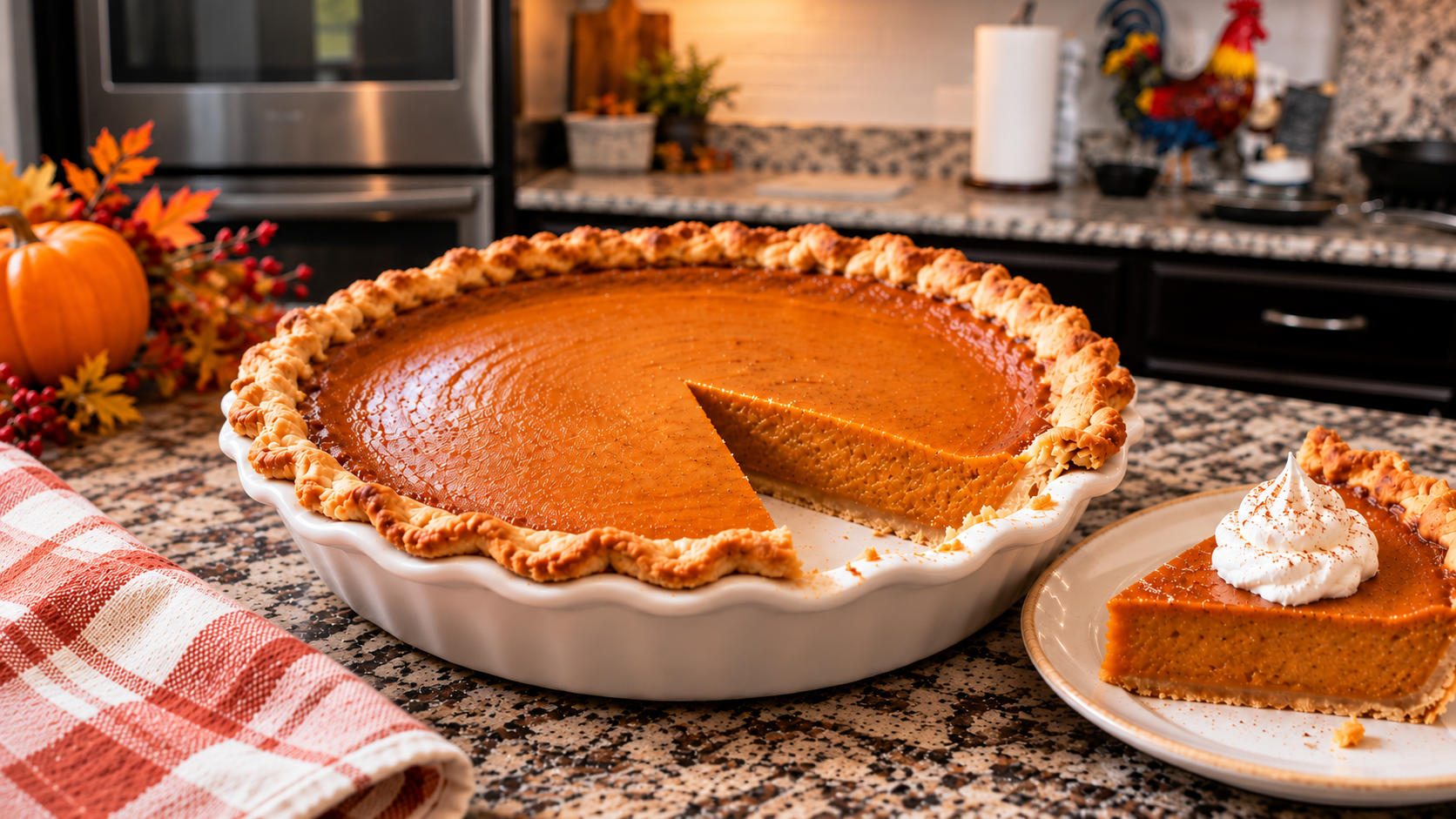
Low Sugar Pumpkin Pie
A classic pumpkin pie with significantly reduced sugar, using natural sweetness from pumpkin and a touch of maple syrup. This version relies on warm spices to enhance flavor without the need for excessive sweeteners.
🥘Ingredients
For the Crust
For the Filling
👨🍳Directions
🔧Equipment
📊Nutrition Facts (per serving)
📝Notes
Watch Video Of How Low Sugar Pumpkin Pie Works
This low sugar pumpkin pie keeps the classic flavor everyone expects while cutting back on the sweetness, so it fits easily into holiday dinners, weekend get togethers, or any night you want dessert without the sugar overload.
I make it for family gatherings because it slices clean, travels well, and both the kids and the grandparents go back for a second piece.
It is simple enough for a busy week and still looks right at home on a holiday table.
❓ Frequently Asked Questions About Low Sugar Pumpkin Pie
1. Can I make a low sugar pumpkin pie with no added sweetener at all?
You can cut the sweetener almost entirely, but expect a different pie. Canned pumpkin is naturally low in sugar, so the filling will still taste like pumpkin, spice, and custard rather than dessert-sweet. The bigger change is texture and browning: sugar helps the custard stay tender and gives the top its color, so an unsweetened filling can look pale and taste a little flat. If you want to go that far, keep the spices generous, add a pinch of salt, and plan to serve it chilled with whipped cream or a spoon of yogurt so the flavor has something to lean on.
2. Which sweetener works best for cutting sugar in pumpkin pie?
A granular sugar substitute that measures like sugar is the simplest swap because the filling’s liquid balance stays close to the original. Brown sugar blends or a spoonful of molasses stirred into a granulated substitute add the caramel note that plain white sugar misses. Liquid sweeteners like maple syrup or honey work too, but they add water, so pull back slightly on any other liquid in the filling and give the pie extra time to set. Follow the package’s own conversion guidance rather than guessing at ratios, since sweetener blends vary a lot in sweetness and bulk.
3. Will a low sugar pumpkin pie still set firmly?
It can, but it needs a little more attention than a standard pie. Less sugar means a looser custard that browns more slowly, so judge doneness by the visual cue rather than the clock: the edges should look set and slightly puffed, while the center still wobbles like soft gelatin when you nudge the pan. If the filling seems thin going into the oven, a spoonful of cornstarch or an extra egg yolk helps firm it up. Let the pie cool completely at room temperature, then chill it for several hours or overnight before slicing, since the filling firms considerably as it cools.
4. Can I use fresh pumpkin instead of canned?
Yes, and it is a good option if you want control over what goes into the filling. Roast or steam a small sugar pumpkin until the flesh is fork-tender, then scoop it out and mash or puree it until smooth. Fresh pumpkin holds more water than canned, so drain the puree in a fine-mesh sieve for 30 minutes or so, pressing gently, before measuring it. Use the same volume the recipe calls for and taste a spoonful first, since home-cooked pumpkin varies in sweetness and intensity from batch to batch.
5. How should I store leftover pie, and can I freeze it?
Because the filling is a custard, keep the pie covered and refrigerated once it has cooled, and plan to finish it within three or four days. Serve slices cold or let them sit out for 15 minutes to take the chill off. Freezing works best for the filling alone or for a baked pie you plan to thaw and eat plain, since the crust can soften and weep during thawing. Wrap slices tightly, freeze for up to two months, and thaw overnight in the refrigerator rather than at room temperature.
