
masoor dal recipe

The Best masoor dal recipe
My family loves it because it’s easy to customize. We’ll sometimes add turmeric and cumin for extra flavor, or maybe a little ginger if someone’s got a sore throat. The kids think it’s fun because it’s warm and smells good, and it’s always a hit when we serve it with naan or steamed veggies. I’ve also found it’s great for special occasions—whether it’s a weekend brunch with family or a dinner for guests, it feels special without being complicated. And health-wise? Masoor dal is packed with plant-based protein, iron, and fiber, which keeps everyone full and energized. It’s one of those dishes that doesn’t just fill your plate—it fills your day with good energy. Plus, it’s so versatile you can even make it ahead and reheat it, which is a lifesaver when life gets busy.
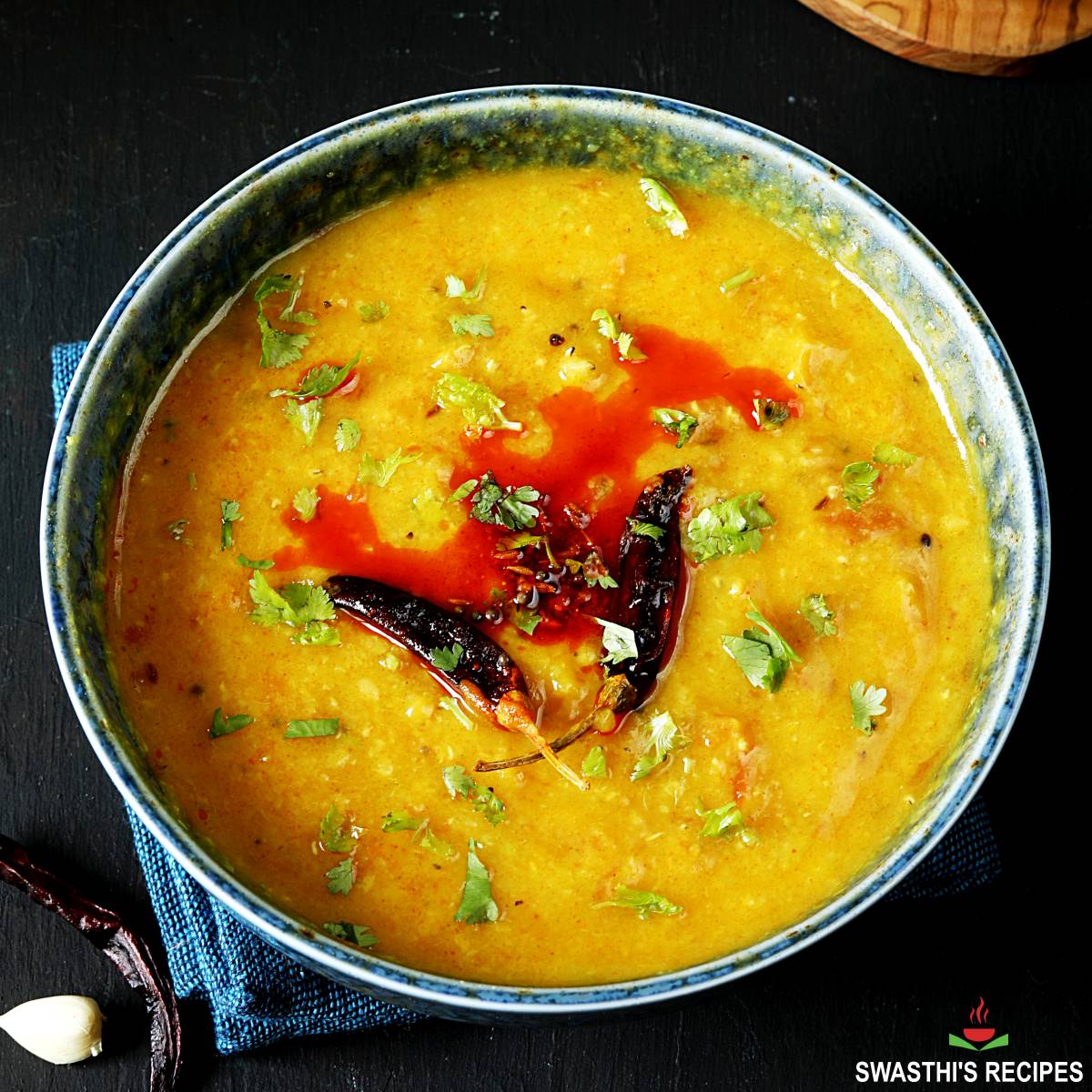
Masoor Dal (Red Lentil Curry)
A hearty and flavorful Indian dish made with red lentils, aromatic spices, and a rich tomato-based gravy. Perfect for a comforting meal.
🥘Ingredients
- 1 cup masoor dal (red lentils, rinsed)
- 1 bay leaf
- 1-inch piece of cinnamon
- 4 green cardamom pods
- 2 cloves
- 1-inch piece of ginger
- 1 medium onion, finely chopped
- 2 tomatoes, chopped
- 1 tbsp ginger-garlic paste
- 1 tsp turmeric powder
- 1 tsp red chili powder
- 1 tsp coriander powder
- 1 tsp cumin powder
- 1/2 tsp garam masala
- 1/2 cup water
- 1 tbsp oil or ghee
- 1/2 cup chopped onions for garnish
- 1/4 cup fresh cilantro, chopped
- 1/2 cup chopped tomatoes for garnish
- 1/2 cup chopped green chilies (optional)
👨🍳Directions
-
1
Rinse the masoor dal thoroughly under cold water until the water runs clear. Drain and set aside. -
2
In a pot, heat oil or ghee on medium heat. Add bay leaf, cinnamon, cardamom, and cloves. Sauté for 30 seconds until fragrant. -
3
Add chopped ginger and ginger-garlic paste. Sauté for 1 minute until fragrant. Add chopped onions and sauté until golden brown (~5 mins). -
4
Add chopped tomatoes, turmeric, red chili powder, coriander powder, and cumin powder. Cook until tomatoes soften (~5 mins). -
5
Add the drained masoor dal and 1/2 cup water. Stir well. If using a pressure cooker, cook on high pressure for 10-12 mins (or simmer for 25-30 mins on stovetop). -
6
Once done, turn off heat and let it rest for 5 minutes. Fluff with a spoon and stir in garam masala. -
7
Adjust seasoning with salt if needed. Garnish with chopped onions, cilantro, and green chilies (if using). Serve hot with rice or roti.
🔧Equipment
- Large pot or pressure cooker
- Kitchen knife
- Cutting board
- Measuring cups/spoons
- Wooden spoon or ladle
📊Nutrition Facts (per serving)
📝Notes
Tips
- For extra flavor, add a pinch of Kashmiri red chili powder or a dash of Kashmiri red color.
- Use a pressure cooker to save time and energy. If not available, simmer on low heat until lentils are soft.
- For a creamier texture, blend a portion of the dal with a little water and mix back in.
- Substitute with yellow moong dal or toor dal for a variation.
Variations
- Add a spoonful of yogurt for a tangy twist.
- Sauté finely chopped spinach or peas into the dal for extra nutrients.
Watch Video Of How Masoor Dal (Red Lentil Curry) Works
❓ Frequently Asked Questions About Masoor Dal (Red Lentil Curry)
1. What is masoor dal, and why is it a popular ingredient in Indian cuisine?
Masoor dal, also known as red lentils, is a type of lentil that is rich in protein, fiber, and various essential nutrients like iron and folate. It’s a staple in Indian cooking due to its quick cooking time, versatility, and ability to absorb flavors seamlessly. It’s commonly used in soups, curries, dal makhani, and even in vegetarian dishes like chana masala. Its mild taste and soft texture make it a favorite for both quick meals and hearty stews.
—
2. How do I prepare masoor dal properly for the best texture and flavor?
To prepare masoor dal perfectly, start by rinsing it thoroughly under cold water to remove any impurities. Soak it for 15–20 minutes to reduce cooking time and improve digestibility. After soaking, drain the water and add fresh water (about 2–3 times the volume of dal) to a pressure cooker or pot. Bring to a boil, then reduce heat to a gentle simmer and cook for 10–15 minutes (or 20–25 minutes in a pot) until the dal breaks down into a smooth, creamy consistency. For extra richness, you can add ghee or butter while cooking.
—
3. Can I substitute masoor dal with another type of lentil or bean, and if so, which ones work best?
While masoor dal is unique, you can substitute it with other red lentils like toor dal (split pigeon peas) or red kidney beans for a similar texture. However, these may take slightly longer to cook. For a closer match, split yellow lentils (moong dal) or black lentils (beluga) can work, but they may have a slightly different flavor. Avoid using whole lentils or beans like chickpeas (chana) or black-eyed peas, as they won’t cook as smoothly. Always adjust cooking time based on the substitute.
—
4. What are the best spices and ingredients to add while cooking masoor dal for a flavorful dish?
A classic masoor dal recipe includes a blend of aromatic spices like cinnamon (dalchini), cumin seeds (jeera), and black pepper. Add garlic, ginger, and green chilies for freshness, then sauté in ghee or oil until fragrant. Essential spices include turmeric (haldi), red chili powder, coriander powder, garam masala, and a pinch of asafoetida (hing) for depth. For creaminess, add yogurt or coconut milk, and for richness, stir in cashew paste or grated coconut. A splash of lemon juice at the end brightens the dish.
—
5. How can I make masoor dal healthier, and are there any dietary considerations?
To make masoor dal healthier, opt for organic or non-GMO lentils, avoid added salt, and use low-sodium broth. Boost nutrition by adding spinach, tomatoes, or bell peppers for extra vitamins. For a gluten-free version, ensure no cross-contamination with wheat-based spices. Those with kidney issues should monitor potassium levels, as masoor dal is relatively high in it. Pairing it with whole grains (brown rice, quinoa) or vegetables balances the meal. Additionally, sprouting the dal slightly enhances digestibility.

