
menudo recipe filipino tagalog

- The Best menudo recipe filipino tagalog
- Filipino Menudo: Hearty Stew with Pork and Chorizo
- 🥘Ingredients
- 👨🍳Directions
- 🔧Equipment
- 📊Nutrition Facts (per serving)
- 📝Notes
- Watch Video Of How Filipino Menudo: Hearty Stew with Pork and Chorizo Works
- ❓ Frequently Asked Questions About Filipino Menudo: Hearty Stew with Pork and Chorizo
The Best menudo recipe filipino tagalog
What I love most about menudo is how versatile it is. It’s perfect for a casual weeknight meal when you want something warm and satisfying, but it also shines at celebrations—birthdays, family reunions, or just when you want to impress guests with something rich and flavorful. The health benefits are simple too: it’s packed with protein from the beef and pork, vitamins from the vegetables, and probiotics from the beans, which help keep things gentle on the stomach. Plus, the spices—cumin, garlic, and chili—add depth without being overwhelming, making it a dish that’s easy to customize. It’s been a staple in my kitchen for years, and I can’t imagine going back to anything else.
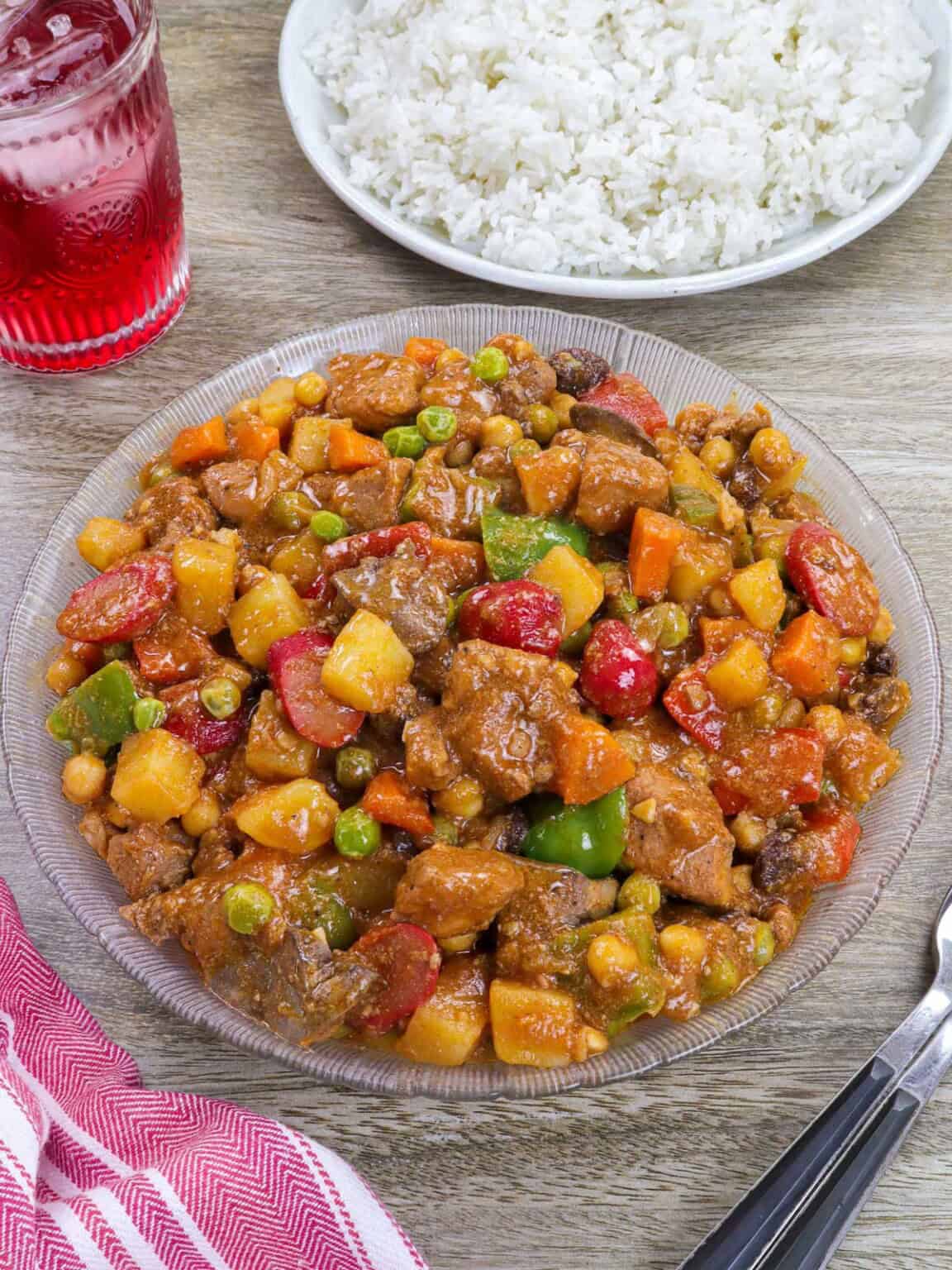
Filipino Menudo: Hearty Stew with Pork and Chorizo
A rich, slow-cooked stew from the Philippines, menudo features tender pork, spiced chorizo, and a deep tomato-based broth. Perfect for cold days, this dish balances bold flavors with comforting textures.
🥘Ingredients
- 1 lb pork shoulder, cut into chunks
- 1 lb chorizo, sliced
- 2 lbs pork belly, cubed
- 4 cups water
- 4 cups beef or chicken stock
- 1 large onion, chopped
- 4 cloves garlic, minced
- 1 bell pepper, diced
- 1 cup tomato sauce
- 1 tsp ground cumin
- 1 tsp dried oregano
- 1 bay leaf
- Fresh cilantro, chopped
- Lime wedges
- Crushed tortilla chips
👨🍳Directions
-
1
In a large pot, combine pork shoulder, chorizo, and pork belly. Add water, stock, onion, garlic, bell pepper, tomato sauce, cumin, oregano, and bay leaf. Bring to a boil over high heat. -
2
Once boiling, reduce heat to low, cover, and simmer for 1 hour. Stir occasionally to prevent sticking. -
3
After 1 hour, increase heat to medium and let the mixture simmer for another 30 minutes until pork is fork-tender and flavors meld. -
4
Remove bay leaf and adjust seasoning if needed. Serve hot with fresh cilantro, lime wedges, and tortilla chips on the side.
🔧Equipment
- Large pot
- Wooden spoon
- Measuring cups
- Cutting board
📊Nutrition Facts (per serving)
📝Notes
Watch Video Of How Filipino Menudo: Hearty Stew with Pork and Chorizo Works
❓ Frequently Asked Questions About Filipino Menudo: Hearty Stew with Pork and Chorizo
1. What is menudo and how is it traditionally prepared in Filipino cuisine?
Menudo is a rich, hearty Filipino soup made primarily from tripe, pork, and sometimes chicken, simmered in a savory broth. Traditionally, it includes ingredients like garlic, onions, bay leaves, and spices like black peppercorns and cloves. It’s often served with steamed rice and sometimes accompanied by a side of fried egg or patis (fish sauce).
2. Can I substitute ingredients if I don’t have tripe?
Yes, if tripe isn’t available, you can use beef tripe or even lamb tripe for a similar texture. For a lighter version, some home cooks replace tripe with shredded chicken or pork belly, though the flavor and heartiness will differ. Always adjust seasoning to taste.
3. How long should I simmer menudo for to ensure it’s tender and flavorful?
Simmer menudo for about 1.5 to 2 hours on low heat to break down the tripe and allow flavors to meld. If using pork belly or chicken, reduce time to 1 to 1.5 hours. The dish is done when the meat is fork-tender and the broth has deepened in color and richness.
4. What are common sides or toppings to serve with menudo?
Traditional pairings include steamed white rice, fried egg, patis (fish sauce) or soy sauce for dipping, and sometimes a side of sautéed green onions or a simple sinamak (garlic sauce). For extra crunch, add crispy fried shallots or a sprinkle of cilantro.
5. Is menudo typically eaten cold or hot?
Menudo is always served hot. The broth and tender meat are best enjoyed warm, so it’s best prepared a day ahead to let flavors develop fully. If reheating, do so gently to avoid overcooking the tripe.
