
nestles chocolate chip cookie recipe

The Best nestles chocolate chip cookie recipe
I love how this recipe is so simple yet foolproof, which means there’s no stress when it comes to baking. You don’t need fancy ingredients or complicated steps—just a few basic things you probably already have in your pantry. And the best part? They’re great for any occasion, whether you’re hosting a small gathering or just treating yourself after a long day. My husband always says these are the kind of cookies that make the house smell like home, and honestly, that’s exactly why I keep making them. Plus, they’re a little healthier than some other cookie recipes because of the way the Nestlé chocolate chips melt so perfectly, giving you that rich flavor without all the excess sugar you might find in other treats. It’s not about perfection—it’s about comfort, and these cookies deliver that in spades.
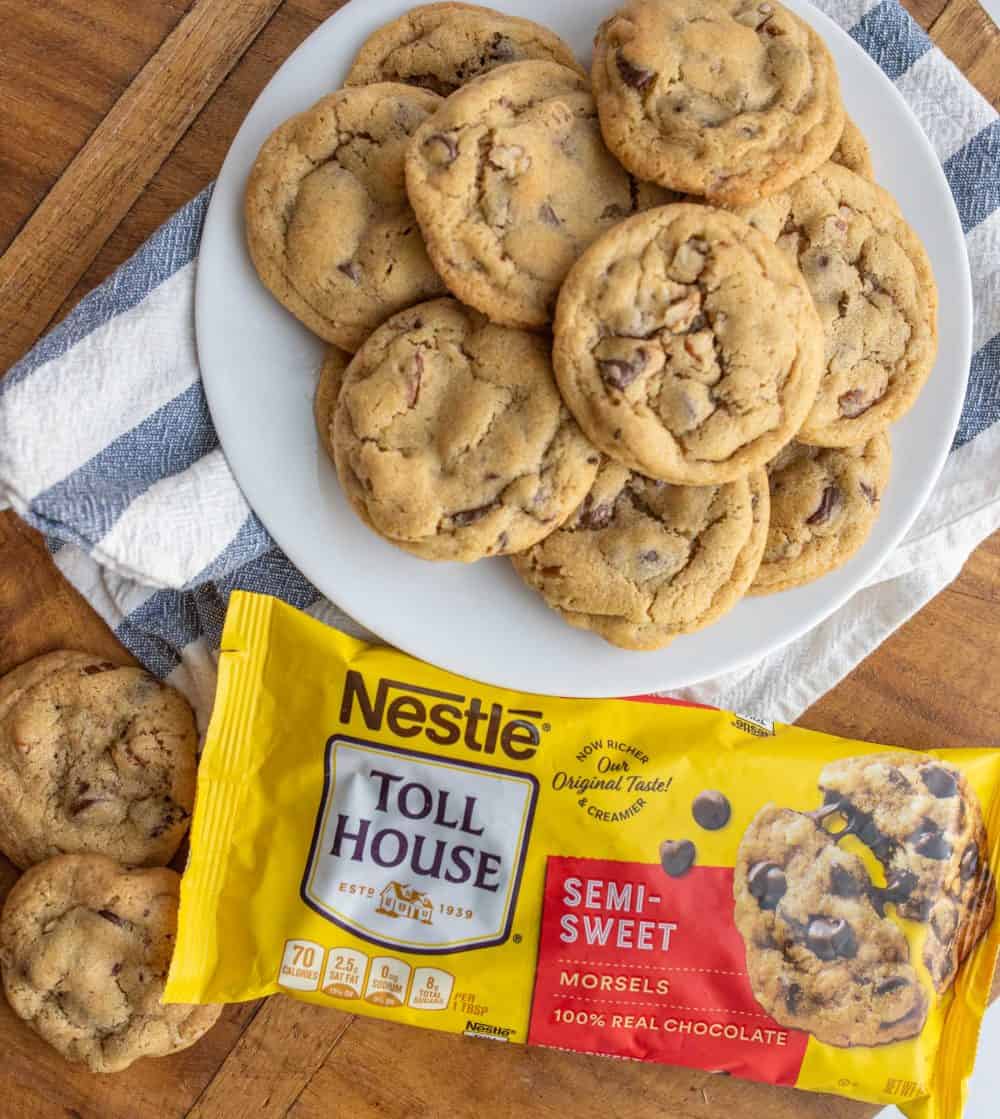
Classic Nestlé Chocolate Chip Cookies
A timeless treat featuring gooey chocolate chips and buttery dough, perfect for any occasion. This recipe is a must-try for any occasion.
🥘Ingredients
- 2 1/2 cups all-purpose flour
- 1 tsp baking soda
- 1 tsp salt
- 1 cup unsalted butter, softened
- 1 cup granulated sugar
- 1 cup packed brown sugar
- 2 large eggs
- 1 tsp vanilla extract
- 2 cups Nestlé semi-sweet chocolate chips
👨🍳Directions
-
1
Preheat oven to 350°F (175°C). Line two baking sheets with parchment paper. -
2
In a large bowl, cream together the softened butter, granulated sugar, and brown sugar until light and fluffy (3-4 minutes). -
3
Beat in the eggs one at a time, then mix in the vanilla extract. -
4
In a separate bowl, whisk together the flour, baking soda, and salt. Gradually add to the wet mixture, mixing until just combined. -
5
Fold in the chocolate chips evenly distributed throughout the dough. -
6
Scoop tablespoon-sized balls of dough and place them 2 inches apart on the prepared baking sheets. -
7
Bake in the preheated oven for 10-12 minutes, or until edges are golden. Allow cookies to cool on the baking sheet for 5 minutes before transferring to a cooling rack.
🔧Equipment
- Mixing bowls
- Electric mixer or stand mixer
- Measuring cups and spoons
- Baking sheet
- Parchment paper
- Cooling rack
📊Nutrition Facts (per serving)
📝Notes
Tips
- For extra chewy cookies, slightly underbake them and let them cool on the baking sheet.
- Chill the dough for 30 minutes before baking for thicker cookies.
- Use a mix of dark and milk chocolate chips for added variety.
- Store cookies in an airtight container at room temperature for up to 5 days.
Substitutions
- Use 1 cup whole wheat flour and 1 cup all-purpose flour for a healthier twist.
- Replace butter with melted coconut oil for a vegan option.
Watch Video Of How Classic Nestlé Chocolate Chip Cookies Works
❓ Frequently Asked Questions About Nestlé Chocolate Chip Cookies
1. What is the secret to getting perfectly crispy chocolate chip cookies with Nestle’s recipe?
The key to achieving a crispy texture lies in using the right ingredients and techniques. First, ensure your oven is preheated to the correct temperature (350°F/175°C). Use a mix of melted butter and brown sugar for a slightly chewier base, but for crispiness, a slightly less sticky dough works best. Rolling the dough balls slightly thin (about 1/4 inch) and rotating them halfway through baking helps even cooking. Additionally, avoiding overmixing the dough and using a mix of chocolate chips (including some dark or semi-sweet) can enhance crispiness. For extra crispiness, bake for 10–12 minutes instead of the usual 8–10.
—
2. Can I substitute any of the ingredients in Nestle’s chocolate chip cookie recipe?
While you can tweak some ingredients, certain substitutions may alter the texture or flavor. Here are common swaps and their effects:
– Butter: Use unsalted butter for better control over saltiness, or swap half the butter for melted coconut oil (though texture may change).
– Flour: All-purpose flour works best, but for a chewier cookie, increase the baking soda slightly (½ tsp per cup of flour) or use whole wheat flour (though it may darken the cookies).
– Chocolate chips: Mix in white chocolate or caramel chips for extra flavor, but avoid too many nuts (they can make cookies dense).
– Sugar: Brown sugar adds moisture and chewiness, so reducing it slightly or using a mix of brown and white sugar can help. For a lighter texture, use powdered sugar in place of some white sugar.
– Eggs: Skip the egg or use a flax egg (1 tbsp ground flaxseed + 3 tbsp water) for a vegan version, but texture may differ slightly.
Avoid replacing the vanilla extract or salt entirely, as they’re crucial for balance.
—
3. How do I prevent my cookies from spreading too much during baking?
Cookie spread is influenced by several factors. To minimize it:
– Dough consistency: Keep the dough slightly stiff—if it’s too sticky, it will spread more. Chill the dough for 30 minutes before rolling to firm it up.
– Baking time/speed: Bake at a slightly lower temperature (325°F/160°C) and reduce the time by 1–2 minutes if your oven runs hot. Use the rule of thumb: if your oven is 25°F/15°C hotter than recommended, bake 1–2 minutes less.
– Dough thickness: Roll balls thinner (about 1/4 inch) to reduce spread. For extra control, use a cookie scoop or measure dough by weight.
– Fat content: Use less butter (e.g., ½ cup instead of ¾ cup) or replace some with shortening for firmer cookies.
– Oven placement: Place the baking sheet farther back in the oven to prevent direct heat exposure.
—
4. Why do my cookies turn out tough or dense instead of soft and chewy?
Tough or dense cookies often result from overmixing, too much flour, or incorrect baking techniques. Here’s how to fix it:
– Overmixing: Mix flour, baking soda, and salt just until combined—stop as soon as the dry ingredients are moistened. Overworking the dough develops gluten, making cookies tough.
– Too much flour: Measure flour by weight (e.g., 280g for 2 cups) instead of volume, as scooping can add extra flour. Sift flour lightly if your recipe calls for it.
– Under-baking: Check cookies at 8–10 minutes (they’ll keep cooking slightly). They’re done when edges are golden and centers are set but still soft.
– Too much liquid: Reduce the egg or milk slightly (e.g., use 1 tbsp less). If using melted butter, let it cool slightly before mixing.
– Cold butter: Use softened butter (not melted) for even distribution. If you must melt it, do so in a water bath to avoid overheating.
– Chilling dough: If your recipe calls for it, chill the dough for 30 minutes to firm up the butter and prevent excessive spread.
—
5. How can I make Nestle’s chocolate chip cookies gluten-free or nut-free?
Here’s how to adapt the recipe while keeping the texture and flavor:
Gluten-free version:
– Replace all-purpose flour with a 1:1 gluten-free baking flour blend (e.g., Bob’s Red Mill or King Arthur). For extra structure, add 1 tbsp xanthan gum.
– Increase the baking soda to 1 tsp (since GF flours don’t rise as much).
– Use a mix of brown sugar and white sugar (e.g., ¾ cup each) for moisture.
– Chill the dough for 30 minutes to help bind the ingredients.
– Bake at 325°F (160°C) for slightly longer (10–12 minutes) to ensure doneness.
Nut-free version:
– Skip nuts entirely or replace them with seeds (sunflower, pumpkin, or flaxseeds) for texture. For crunch, add a sprinkle of crushed cornflakes or pretzels.
– If using chocolate chips, ensure they’re nut-free (some brands may contain traces).
– For a chewier texture, increase the brown sugar slightly or add 1 tsp apple cider vinegar to the dough (it tenderizes the cookies).
Pro tip: For both versions, let cookies cool on the baking sheet for 5 minutes before transferring to a wire rack to prevent sogginess.
