
old fashioned pancake recipe

The Best old fashioned pancake recipe
This recipe isn’t just about taste, though. It’s about tradition. My grandma used to make these with just a few simple ingredients—flour, eggs, milk, and a touch of sugar—no fancy mixes or shortcuts. And honestly? It’s one of those recipes that feels like a hug in a bowl. Whether it’s a weekend brunch for the whole family or a quick breakfast when I’m running late, these pancakes never disappoint. They’re easy enough to make ahead of time and reheat, so I can have them ready for guests or just for myself when I’m craving something comforting. Plus, the health benefits? Well, they’re made with whole wheat flour if I want to switch it up, and they’re packed with protein from the eggs and fiber from the whole grains. It’s a win-win for anyone who likes something hearty but still light enough to enjoy.
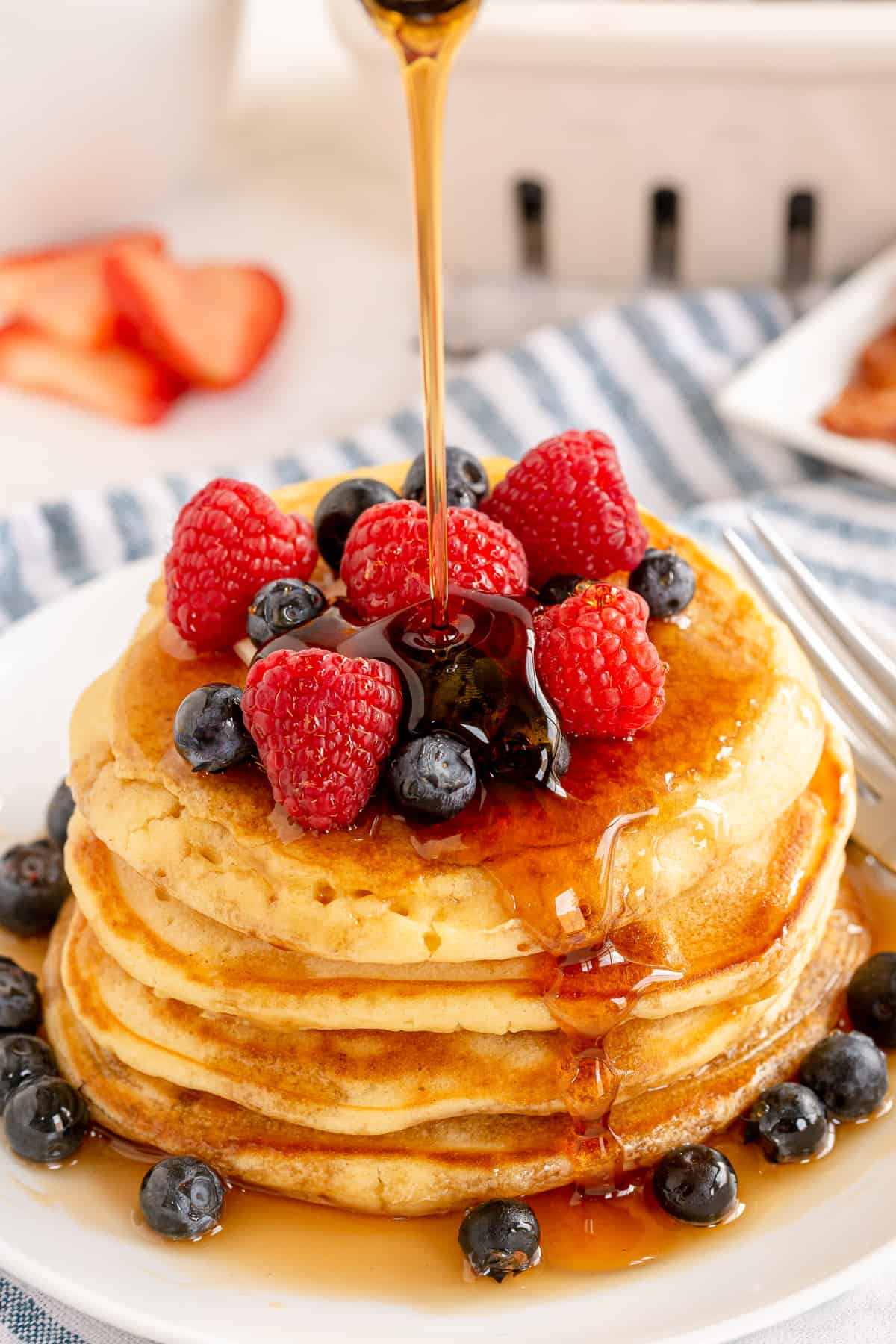
Classic Old Fashioned Pancakes
A timeless recipe for fluffy, buttermilk-infused pancakes with a touch of cinnamon and vanilla, perfect for breakfast or brunch. This recipe is a must-try for any occasion.
🥘Ingredients
- 2 cups all-purpose flour
- 1 tbsp baking powder
- 1 tsp salt
- 1 tsp cinnamon
- 1 cup buttermilk
- 1 large egg
- 1/2 cup melted butter or vegetable oil
- 1 tsp vanilla extract
- Maple syrup
- Fresh berries
- Whipped cream
- Nut butter
👨🍳Directions
-
1
In a large bowl, whisk together flour, baking powder, salt, and cinnamon. -
2
In another bowl, combine buttermilk, egg, melted butter/oil, and vanilla extract. Mix well. -
3
Pour wet ingredients into dry ingredients and stir until just combined (do not overmix). -
4
Heat a non-stick skillet or griddle over medium heat. Lightly grease with butter or oil. -
5
Pour 1/4 cup batter per pancake onto the hot surface. Cook until bubbles form on top (~2-3 mins), then flip and cook another 1-2 mins until golden brown. -
6
Repeat with remaining batter, keeping pancakes warm in a low oven (170°F/75°C) if needed.
🔧Equipment
- Mixing bowls
- Whisk or fork
- Large non-stick skillet or griddle
- Spatula
- Measuring cups and spoons
📊Nutrition Facts (per serving)
📝Notes
- For extra fluffiness, let pancakes rest for 5 minutes after cooking before serving.
- Adjust batter thickness by adding more buttermilk for softer pancakes or flour for thicker ones.
- Substitute butter with coconut oil for a dairy-free option.
- Add a pinch of nutmeg or cardamom for a unique twist.
Watch Video Of How Classic Old Fashioned Pancakes Works
❓ Frequently Asked Questions About Old Fashioned Pancakes
What is the secret to making fluffy pancakes from scratch?
The secret to making fluffy pancakes lies in combining the right ingredients and techniques. Start with high-quality all-purpose flour, a bit of baking powder (about 2-3 teaspoons), and a small amount of sugar for structure. Whisk the wet ingredients—milk, eggs, and melted butter—until smooth, then gradually fold in the dry ingredients. Avoid overmixing, as this can lead to a dense texture. For extra fluffiness, let the batter rest for 5-10 minutes after mixing, allowing the gluten to relax. Finally, cook the pancakes on medium-low heat, gently flipping only once they form bubbles on the surface.
Why does my pancake batter turn out lumpy or dense instead of smooth and fluffy?
Lumpy or dense pancakes usually result from overmixing or incorrect ingredient ratios. If your batter looks thick and streaky, you may have mixed the dry and wet ingredients too vigorously. Instead, gently fold the dry ingredients into the wet until just combined—no more than 15-20 strokes. Another common issue is using expired baking powder, which loses its potency over time. Always check the expiration date and replace it if necessary. Additionally, overcooking the pancakes can cause them to dry out; cook them on medium heat until bubbles form and they look set before flipping.
Can I substitute any of the ingredients in a classic old-fashioned pancake recipe?
Yes, you can make substitutions, but some changes may affect texture or flavor. For flour, you can use a mix of all-purpose and whole wheat flour (e.g., 3 parts all-purpose to 1 part whole wheat) for a slightly denser, nuttier pancake. Milk can be replaced with unsweetened almond milk, oat milk, or even a splash of buttermilk for tanginess. Eggs can be omitted in small batches (½ egg per batch) or replaced with flax eggs (1 tbsp ground flaxseed + 3 tbsp water per egg), though texture may vary. For butter, coconut oil or melted vegetable oil works, but the flavor will differ. If you want a lighter pancake, reduce the sugar slightly or skip it entirely.
How do I know when my pancakes are cooked just right?
Pancakes are cooked when they reach a golden-brown color on the bottom and top, with a slight puff and a firm texture that feels set to the touch. Start checking around 2-3 minutes per side (depending on thickness). The edges should curl slightly, and the center should show minimal liquid batter. If they’re still undercooked, they’ll continue cooking on the stovetop. Overcooking can make them dry, so keep an eye on them—medium heat is ideal for even cooking. For extra crispiness, brush the top with melted butter or maple syrup after flipping.
Why do some pancakes stick to the pan while others don’t?
Sticking is usually caused by a few key factors: heat level, pan condition, and greasing. If your stove is too hot, the batter will cook unevenly and stick. Use medium heat—too low makes pancakes gummy, too high causes sticking. A nonstick pan or lightly greased cast-iron skillet (with butter or oil) helps prevent sticking. If using a nonstick pan, avoid overcrowding the skillet, and flip only when bubbles form. If sticking persists, try preheating the pan for 1-2 minutes before adding batter. A small amount of butter or oil (1 tsp) on the pan can also work as a temporary fix.


