
old fashioned vegetable beef soup recipe

The Best old fashioned vegetable beef soup recipe
What really makes this soup special is how versatile it is. I’ll make it for a regular weeknight dinner when we’re all tired from work or school, and it’ll still taste like a hug. But I’ll also pull it out for a simple family gathering or even a potluck—it’s always a crowd-pleaser because no one can resist the hearty, comforting bite. The health benefits are pretty solid too. It’s packed with vitamins from the vegetables, lean protein from the beef (if you use it), and fiber that keeps you full longer. Plus, the slow cooking process breaks down the tougher parts of the meat, making it tender and easy to digest. My kids used to complain about eating soup, but once they tried this version, they’d beg for seconds. It’s the kind of dish that feels like a treat but is actually just good, wholesome food. And honestly? There’s nothing like the smell of it bubbling in the pot on a chilly evening.
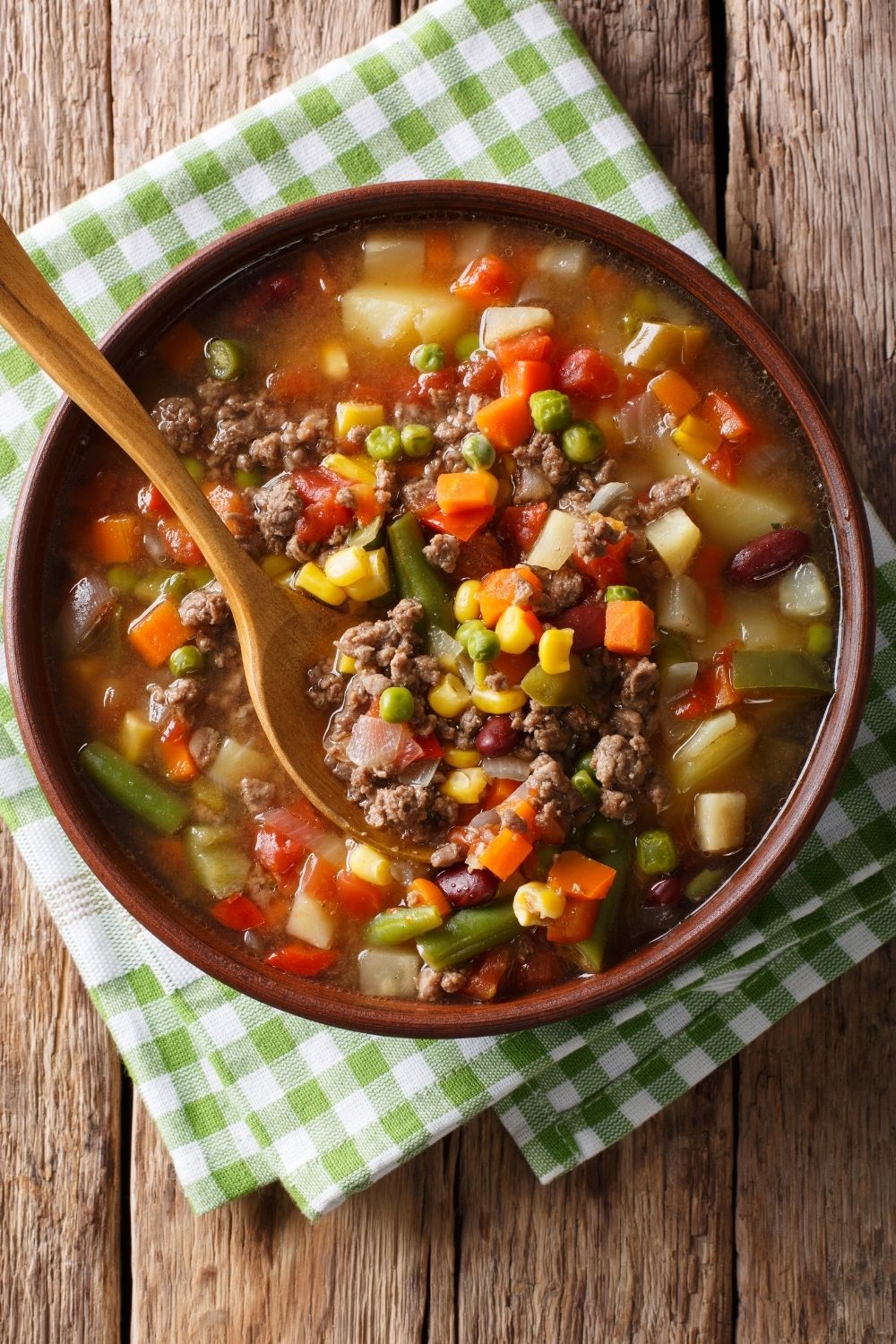
Classic Old Fashioned Vegetable Beef Soup
A hearty and comforting soup featuring tender beef, a mix of seasonal vegetables, and a rich broth. Perfect for cold days or family gatherings.
🥘Ingredients
- 2 lbs beef stew meat, cut into chunks
- 4 cups beef broth
- 2 carrots, chopped
- 2 celery stalks, chopped
- 1 onion, diced
- 2 cloves garlic, minced
- 1 large potato, diced
- 1 zucchini, diced
- 1 cup green beans, trimmed
- 1 cup corn kernels
- 1 cup frozen peas
- 2 tbsp tomato paste
- 1 tsp dried thyme
- 1 tsp dried rosemary
- 1 bay leaf
- 1 tsp black pepper
- 1 tsp salt (adjust to taste)
👨🍳Directions
-
1
In a large pot or Dutch oven, brown the beef chunks over medium-high heat. Remove beef and set aside. -
2
In the same pot, sauté onion, carrots, and celery until softened (about 5 minutes). Add garlic and cook for 30 seconds. -
3
Return beef to the pot. Pour in beef broth, tomato paste, thyme, rosemary, bay leaf, black pepper, and salt. Stir well. -
4
Bring to a boil, then reduce heat to low. Add diced potatoes and simmer for 15 minutes. -
5
Add zucchini, green beans, corn, and peas. Simmer for another 20-25 minutes until vegetables are tender. -
6
Remove bay leaf. Adjust seasoning if needed. Let soup sit off heat for 5 minutes before serving.
🔧Equipment
- Large Dutch oven or heavy pot
- Wooden spoon
- Knife and cutting board
- Measuring cups and spoons
📊Nutrition Facts (per serving)
📝Notes
- For extra flavor, add a splash of red wine while browning the beef.
- Use fresh herbs like fresh thyme and rosemary for a more vibrant taste.
- Make ahead: This soup tastes even better the next day as flavors meld.
- For a lighter version, reduce the amount of beef and add more vegetables.
Watch Video Of How Classic Old Fashioned Vegetable Beef Soup Works
❓ Frequently Asked Questions About Old Fashioned Vegetable Beef Soup
1. What are the traditional ingredients used in an old-fashioned vegetable beef soup, and why do they contribute to the dish’s rich flavor?
The classic ingredients include beef broth (or stock), beef chunks (preferably stew meat), carrots, celery, potatoes, onions, garlic, tomatoes, mushrooms, and herbs like thyme, bay leaves, and parsley. The beef provides depth and heartiness, while vegetables add natural sweetness and texture. The broth’s richness balances the earthy flavors, and the herbs enhance the soup’s aromatic profile, making it both comforting and deeply savory.
—
2. How do you properly prepare the beef for the soup to ensure it stays tender?
To keep the beef tender, start by parboiling it in salted water for 5–10 minutes to remove excess blood and slime, then drain. Next, sear it in a hot pan with butter or oil until browned on all sides (about 2–3 minutes per side). This caramelizes the meat for extra flavor. Before adding to the soup, simmer the beef in the broth for 1–2 hours (or until fork-tender) to break it down into fluffy chunks. Avoid overcooking, as it can make the beef tough.
—
3. Why is slow-cooking essential for this soup, and what happens if you rush the process?
Slow-cooking (or simmering) is key because it allows the flavors to meld deeply while breaking down tough connective tissue in the beef and vegetables. If you rush it, the beef may become chewy or rubbery, and the vegetables could turn mushy. The broth also needs time to develop a rich, complex taste through reduction. A proper simmer (gentle heat) for at least 1–2 hours ensures a velvety texture and a well-balanced, restaurant-style result.
—
4. Can you substitute any traditional ingredients, and what are some good alternatives?
While the recipe relies on classic ingredients, you can make substitutions with care:
– Beef broth → Use a high-quality beef or vegetable broth (but avoid pre-made soups, which can be too salty).
– Mushrooms → Swap for fresh or canned diced tomatoes (or a mix of both) for acidity.
– Potatoes – Skip them if preferred, but add parsnips or rutabaga for extra sweetness.
– Herbs – Fresh thyme and bay leaves are ideal, but dried herbs (like 1 tsp dried thyme) work in a pinch.
– Onions & garlic – Use shallots for a milder flavor or leeks (white parts only) for a subtle sweetness.
Avoid overdoing substitutions, as it may alter the soup’s harmony.
—
5. How do you thicken the soup naturally without relying on flour or cornstarch?
To thicken the soup naturally, follow these methods:
1. Simmer longer – Let the soup reduce slightly (about 30–45 minutes) to evaporate excess liquid, concentrating flavors.
2. Use starchy vegetables – Add potatoes, carrots, or celery at the end (after the beef is tender) to thicken as they cook down.
3. Deglaze with butter or broth – After removing the beef, stir in 1–2 tbsp butter or a splash of broth to emulsify and create a silky texture.
4. Blend a portion (optional) – For a creamier consistency, blend ½ cup of the soup with a splash of broth, then stir it back in.
5. Add a splash of cream or heavy cream – A small amount (1–2 tbsp) at the end can add richness without altering the soup’s depth.

