
orange sauce recipe

The Best orange sauce recipe
What really makes this sauce special is how easy it is to customize. You can adjust the sweetness or acidity based on what you’re cooking with, and the orange zest adds that fresh, zesty kick that makes everything taste lighter and brighter. My husband swears by it for his grilled fish because it balances the richness of the fish without overpowering it. And honestly? The health benefits are pretty nice too—it’s packed with vitamin C from the oranges, and the natural sweetness means you’re not adding as much sugar as you might with store-bought sauces. Plus, it’s got a little bit of spice if you like, which keeps things interesting without being too harsh. It’s that kind of recipe that feels like a no-brainer for anyone who loves flavor without all the fuss.
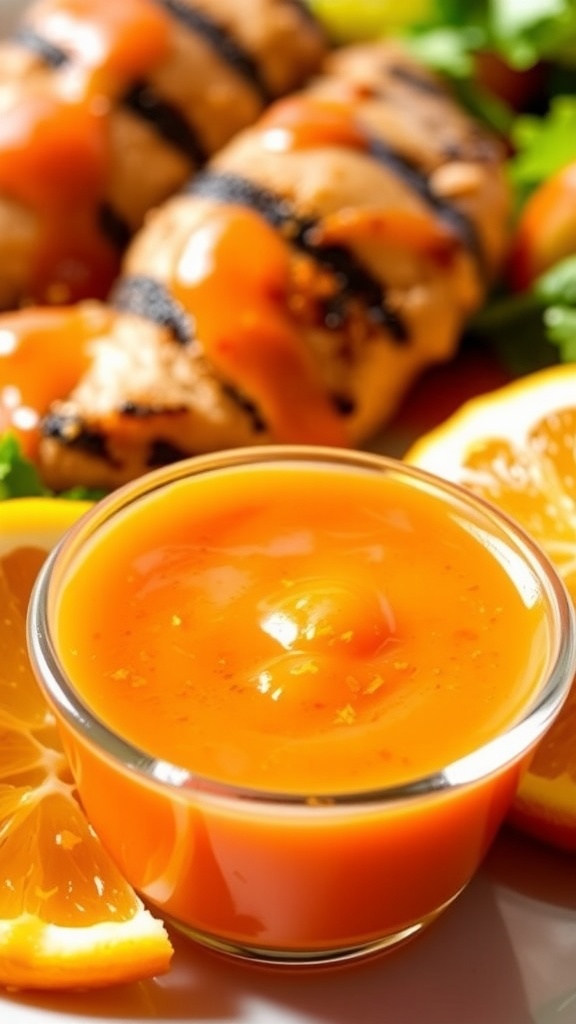
Classic Orange Glazed Chicken
A sweet and tangy orange sauce glazed over tender chicken, perfect for a flavorful and festive meal. This recipe is a must-try for any occasion.
🥘Ingredients
- 6 boneless, skinless chicken thighs
- 1 tbsp olive oil
- 1 cup orange juice (freshly squeezed)
- ½ cup orange zest
- ¼ cup honey
- 3 tbsp soy sauce
- 2 tbsp butter
- 1 tbsp lemon juice
- 1 tsp ground ginger
- 1 clove garlic, minced
- 1 tsp Dijon mustard
- Salt and pepper to taste
👨🍳Directions
-
1
Preheat oven to 375°F (190°C). Season chicken thighs with salt and pepper. -
2
Heat olive oil in a skillet over medium heat. Cook chicken thighs for 5-6 minutes per side until golden brown. Set aside. -
3
In a saucepan, combine orange juice, orange zest, honey, soy sauce, butter, lemon juice, ginger, garlic, and Dijon mustard. Simmer over medium heat for 10 minutes, stirring occasionally. -
4
Place chicken thighs in a baking dish. Pour the orange sauce over the chicken and glaze evenly. Bake for 20-25 minutes until chicken reaches 165°F (74°C).
🔧Equipment
- Mixing bowl
- Skillet or baking dish
- Oven
- Measuring cups and spoons
- Zester or grater
📊Nutrition Facts (per serving)
📝Notes
- For extra richness, add a splash of heavy cream to the sauce.
- Substitute chicken thighs with chicken breasts if preferred.
- Ensure chicken is fully cooked to avoid foodborne illness.
Watch Video Of How Classic Orange Glazed Chicken Works
❓ Frequently Asked Questions About Orange Glazed Chicken
What is the primary ingredient that gives the orange sauce its vibrant color and distinct flavor?
The primary ingredient responsible for the vibrant color and tangy flavor in orange sauce is orange zest and/or fresh orange juice. The zest provides the citrusy aroma and color, while the juice adds a bright, refreshing taste. For a deeper orange hue, you can also use orange marmalade or a small amount of orange food coloring (if using a store-bought base).
—
Can I substitute orange juice with another citrus liquid in the sauce?
Yes, you can use other citrus juices like lemon juice, lime juice, or grapefruit juice, but the flavor profile will differ. For a more balanced taste, a mix of orange and lemon juice (e.g., 60% orange, 40% lemon) often works well. Avoid too much grapefruit juice, as it can make the sauce overly bitter. If using a non-citrus base (like tomato sauce), adding a little orange zest will still enhance the color and depth.
—
How do I ensure the sauce stays smooth without lumps when making it from scratch?
To keep the sauce smooth, blend all ingredients thoroughly—orange juice, tomato paste, garlic, and spices—before simmering. If using orange marmalade, stir it in after the sauce has cooked slightly to prevent clumping. For extra smoothness, strain the sauce through a fine-mesh sieve if needed. Also, avoid overcooking the sauce, as it can thicken and develop graininess.
—
What spices and herbs are commonly used to enhance the orange sauce’s flavor?
Classic spices and herbs for orange sauce include:
– Garlic (for depth)
– Onion powder or fresh shallots (for sweetness)
– Cumin or smoked paprika (for warmth)
– Fresh thyme or rosemary (for earthiness)
– Salt and black pepper (to balance sweetness)
– A pinch of cayenne pepper (for heat, optional)
For a Mediterranean twist, add dried oregano or basil. If using a tomato-based sauce, a touch of red pepper flakes can add complexity.
—
How long should I simmer the sauce to achieve the right consistency and flavor?
Simmer the sauce for 15–25 minutes, stirring occasionally, until it thickens slightly. The exact time depends on the base:
– If using store-bought tomato sauce, it may need 15–20 minutes to develop flavor.
– If starting with raw ingredients (tomato paste + orange juice), simmer for 20–25 minutes to reduce and deepen the taste.
Over-simmering can make it too thick or bitter, so taste and adjust with a splash of water or orange juice if needed. For a glossy finish, a quick splash of water before serving can help.
