
orecchiette pasta recipe


The Best orecchiette pasta recipe
I’ve made this recipe for years, and it’s always a crowd-pleaser, whether we’re hosting a dinner party or just having a quiet meal at home. The texture of orecchiette—those little ridges that catch the sauce perfectly—makes every bite feel satisfying, and the dish is so adaptable that it works for both casual weeknight dinners and special occasions. Plus, it’s not just delicious; it’s also a great way to get more nutrients into your meals. The whole wheat version keeps you full longer, and the fresh basil and garlic add antioxidants and vitamins that make it a little healthier than your average pasta dish. My kids and I love that it’s filling but not heavy, and the way the flavors meld together makes it feel like a little love in every spoonful. It’s the kind of dish that makes you want to slow down and enjoy, whether you’re cooking for one or a whole table.
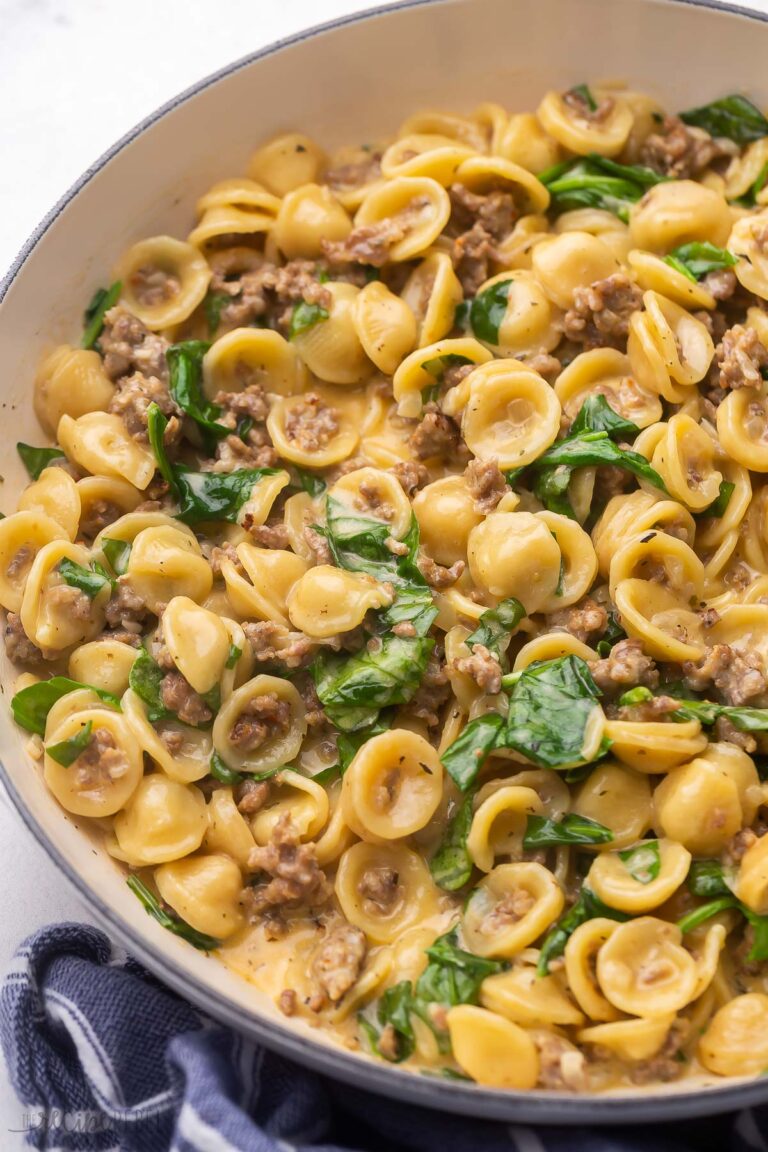
Classic Orecchiette with Tomato-Garlic Sauce
A rustic Italian pasta dish featuring handmade orecchiette pasta paired with a rich tomato-garlic sauce, perfect for a cozy meal. This recipe is a must-try for any occasion.
🥘Ingredients
- 3 cups (375g) all-purpose flour
- 1 cup (240ml) warm water
- 1 tsp salt
- 1 tsp olive oil
- 1 cup (240ml) canned crushed tomatoes
- 1 cup (240ml) tomato passata
- 2 cloves garlic, minced
- 1/2 cup (50g) grated Pecorino Romano
- 1/4 cup (15g) fresh basil, chopped
- 1 tbsp olive oil
- Salt and black pepper to taste
- 1/2 cup (50g) cherry tomatoes, halved
- 1/2 cup (50g) chopped pancetta or guanciale
- 1/4 cup (15g) chopped parsley
👨🍳Directions
-
1
Preheat oven to 425°F (220°C). Line a baking sheet with parchment paper. -
2
In a large bowl, mix flour and salt. Gradually add warm water and olive oil, kneading until a smooth dough forms. Cover and rest for 30 minutes. -
3
Roll the dough into a thin sheet (~1/8 inch) and cut into strips. Roll each strip into a spiral, then pinch the ends to form small ears (orecchiette). -
4
In a skillet, heat olive oil over medium heat. Sauté garlic for 30 seconds until fragrant. Add pancetta/guanciale if using and cook until crispy. -
5
In another pan, sauté cherry tomatoes for 3-4 minutes. Add crushed tomatoes, passata, salt, and pepper. Simmer for 10 minutes until thickened. -
6
Cook pasta in boiling salted water for 8-10 minutes until al dente. Reserve 1/2 cup pasta water, then toss with sauce. Add grated Pecorino and basil. -
7
For baked pasta, spread cooked pasta on the baking sheet, drizzle with olive oil, and sprinkle with Pecorino. Bake at 425°F (220°C) for 10-12 minutes until golden.
🔧Equipment
- Mixing bowls
- Food processor or rolling pin
- Large skillet
- Oven (for optional baked pasta)
- Fine-mesh sieve
📊Nutrition Facts (per serving)
📝Notes
Tips
- For extra flavor, add a splash of red wine while simmering the sauce.
- Use a pasta roller or manual pasta machine for even orecchiette shapes.
- Substitute Pecorino with Parmesan if unavailable.
- Serve with a side of roasted vegetables or a simple arugula salad.
Variations
- Add a splash of white wine and a pinch of red pepper flakes for a bruschetta-inspired twist.
- Mix in sautéed mushrooms or spinach for a heartier version.
Watch Video Of How Classic Orecchiette with Tomato-Garlic Sauce Works
❓ Frequently Asked Questions About Orecchiette with Tomato-Garlic Sauce
What is the difference between orecchiette pasta and other types of pasta like spaghetti or penne?
Orecchiette is a small, cup-shaped pasta with a distinctive ear-like shape, unlike flat or tubular pastas like spaghetti or penne. It’s traditionally made from semolina and flour, giving it a slightly coarser texture, which helps it cling to hearty sauces like broccoli rabe, anchovies, or tomatoes. Its unique shape is perfect for absorbing rich, chunky sauces, making it ideal for rustic, Southern Italian dishes.
How can I ensure my orecchiette turns out perfectly chewy and not mushy?
To achieve perfectly chewy orecchiette, avoid overcooking—check the pasta al dente (about 90 seconds for firmness) using a fork. The pasta should resist slightly when pierced but still yield when bitten. For extra texture, let the pasta sit in cold water after cooking for 1-2 minutes before draining to help it retain its shape. Using well-hydrated, high-quality flour (like Tipo 00) also contributes to a better texture.
Can I substitute orecchiette with another type of pasta if I don’t have it on hand?
If you’re in a pinch, you can try farfalle (butterfly pasta) or small shells (trofie) as close substitutes, but the results won’t be identical. For a more authentic experience, consider making pappardelle (wide ribbons) and cutting them into smaller shapes, or using fettuccine and pinching them into ear-like forms. Fresh egg pasta can also mimic the texture better than dried alternatives.
What are the best traditional sauces to pair with orecchiette, and how should I prepare them?
The classic pairings are broccoli rabe (rapini) with garlic and chili, anchovy and tomato sauce, or pesto alla Trapanese. For broccoli rabe, sauté chopped broccoli rabe with garlic, chili flakes, and olive oil until tender, then toss with orecchiette. For anchovies, simmer chopped anchovies with tomatoes, garlic, and white wine until reduced, then mix with pasta. Pesto should be tossed in at the end to avoid overcooking the greens.
Why does my orecchiette sometimes turn out flat or unevenly shaped, and how can I fix it?
Uneven shapes often result from improper kneading or rolling. To fix it:
1. Knead thoroughly—ensure the dough is smooth and elastic (about 10-12 minutes).
2. Use a pasta machine—start with the widest setting and roll thinly, then gradually roll into smaller shapes.
3. Cut carefully—use a sharp knife to slice thin strips, then pinch the ends to form ears.
4. Rest the dough—if kneaded too hard, let it rest for 30 minutes before shaping to relax the gluten.
If the dough is too sticky, add a little flour, but avoid overworking it. Practice helps achieve consistency!
