
pasta cream sauce recipe

The Best pasta cream sauce recipe
I love that this sauce is versatile enough to work for both casual weeknight meals and special occasions. You can easily adjust the ingredients to match what you’re serving—maybe swap in some roasted garlic for extra depth or add a sprinkle of Parmesan at the end for that final touch. It’s also a great way to sneak in some veggies if you’re trying to make meals more nutritious without making them feel like a chore. The creaminess gives it a cozy, comforting feel, but the lightness keeps it from feeling heavy, and the sauce clings to the pasta so well that you won’t even notice it’s not the most traditional tomato-based sauce. It’s that kind of recipe that feels like a little treat without the fuss.
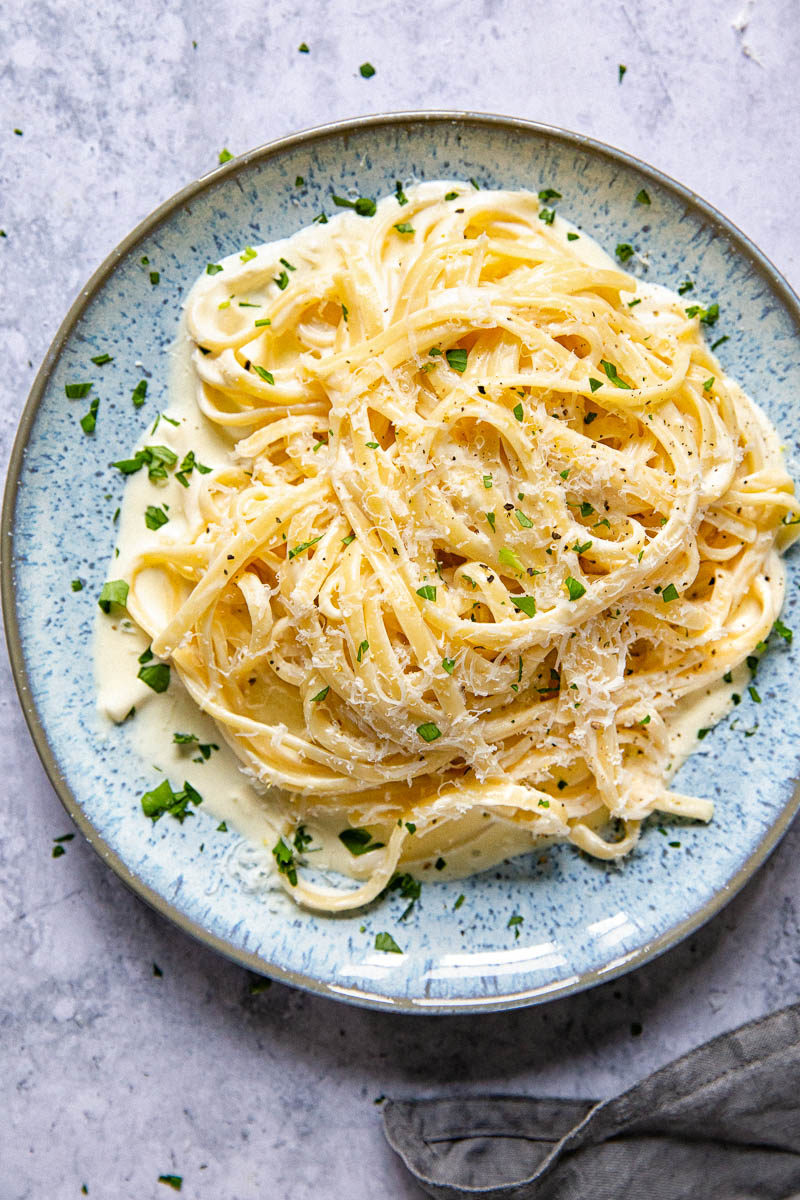
Classic Creamy Tomato Pasta
A rich, velvety sauce that pairs perfectly with pasta for a comforting, restaurant-style meal. This recipe is a must-try for any occasion.
🥘Ingredients
- 8 oz fettuccine or linguine
- 2 tbsp olive oil
- 1 tsp red pepper flakes (optional)
- 1 cup heavy cream
- 1 cup whole milk
- 1 cup tomato sauce
- 2 cloves garlic, minced
- 1 tsp dried basil
- 1 tsp dried oregano
- ½ cup grated Parmesan cheese
👨🍳Directions
-
1
Cook pasta in salted boiling water according to package instructions until al dente. Reserve ½ cup pasta water before draining. -
2
In a saucepan, heat olive oil over medium heat. Add garlic and red pepper flakes, sautéing for 30 seconds until fragrant. -
3
Pour in tomato sauce, then add heavy cream and milk. Simmer for 10 minutes, stirring occasionally, until slightly thickened. -
4
Season with dried basil, oregano, and Parmesan. If needed, add reserved pasta water to loosen the sauce. -
5
Toss cooked pasta into the sauce, mixing gently until fully coated. Serve immediately.
🔧Equipment
- Large pot
- Saucepan
- Wooden spoon
- Mixing bowl
📊Nutrition Facts (per serving)
📝Notes
Watch Video Of How Classic Creamy Tomato Pasta Works
❓ Frequently Asked Questions About Creamy Tomato Pasta
How do I adjust the sauce for dietary restrictions like gluten-free or dairy-free?
If you’re avoiding gluten, use a certified gluten-free pasta or swap the heavy cream for a dairy-free alternative like coconut milk or cashew cream. For a dairy-free version, ensure your pasta is also dairy-free, and adjust the sauce by adding a splash of lemon juice or a pinch of salt to balance the flavor. Avoid cross-contamination by cooking in clean pans and using separate utensils.
—
Can I make this sauce ahead of time?
Yes, you can prepare the sauce in advance and store it in an airtight container in the refrigerator for up to three days. When ready to use, simply reheat it gently over low heat, stirring occasionally, until it reaches your desired consistency. Avoid boiling to prevent curdling.
—
What if my sauce turns out too thick or too thin?
If the sauce is too thick, add a splash of milk, heavy cream, or even a little pasta water to loosen it. Stir gently to blend. If it’s too thin, simmer it uncovered for a few minutes to evaporate excess liquid. For a richer texture, whisk in a small amount of butter or a tablespoon of cream.
—
How can I ensure the sauce stays smooth and doesn’t separate?
To keep the sauce smooth, cook it on low heat and stir frequently. If you notice separation, gently reheat the sauce with a splash of milk or cream and a pinch of cornstarch mixed into a little cold water, then stir in slowly. Avoid overheating, as this can cause the fat to solidify and break up the sauce.
—
What’s the best way to store leftovers, and how long do they last?
Store any unused sauce in an airtight container in the refrigerator for up to three days. For longer storage, freeze portions in ice cube trays or small containers for up to three months. When reheating, thaw in the refrigerator overnight and warm gently on the stove, stirring constantly to maintain a smooth texture.

