
pasta salad salad recipe

The Best pasta salad salad recipe
This salad is also a great way to get in some extra nutrients without sacrificing flavor. The whole wheat pasta adds fiber, the veggies bring vitamins and crunch, and the light dressing keeps it from feeling too heavy. It’s filling enough to stand on its own but also works as a side dish, so it’s perfect for busy days when I need something quick and satisfying. Plus, it keeps well in the fridge, so I can make a big batch and have leftovers for lunch the next day. Everyone in my house loves it, and I know yours will too.
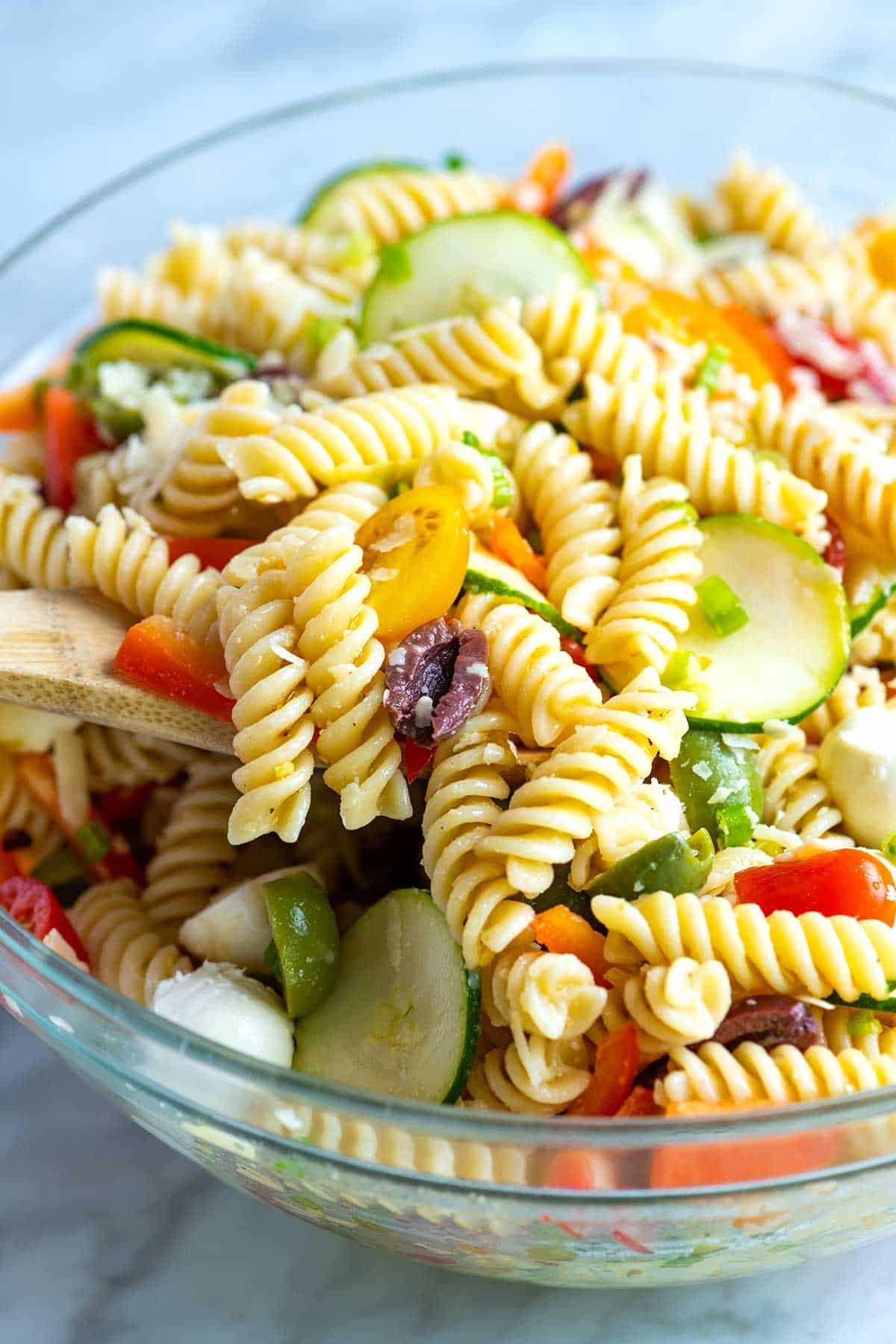
Classic Italian Pasta Salad
A refreshing and colorful pasta salad packed with fresh vegetables, tangy olives, and a zesty Italian dressing. Perfect for picnics, potlucks, or a light summer meal.
🥘Ingredients
- 12 oz (340g) rotini or fusilli pasta
- 1 cup cherry tomatoes, halved
- 1 medium cucumber, diced
- 1/2 red onion, thinly sliced
- 1/2 cup pitted Kalamata olives, sliced
- 1/2 cup pepperoncini peppers, sliced (optional)
- 1/2 cup grated Parmesan cheese
- 1/4 cup fresh basil, chopped
- 1/2 cup extra-virgin olive oil
- 1/4 cup red wine vinegar
- 1 tbsp lemon juice
- 1 tsp Dijon mustard
- 1 tsp dried oregano
- 1 tsp garlic powder
- 1/2 tsp salt
- 1/4 tsp black pepper
- 1/4 tsp red pepper flakes (optional)
👨🍳Directions
-
1
Bring a large pot of salted water to a boil. Cook the pasta according to package instructions until al dente. Drain and rinse under cold water to stop the cooking process. Set aside to cool. -
2
In a large mixing bowl, combine the cooled pasta, cherry tomatoes, cucumber, red onion, Kalamata olives, pepperoncini peppers (if using), Parmesan cheese, and fresh basil. -
3
In a separate small bowl, whisk together the olive oil, red wine vinegar, lemon juice, Dijon mustard, oregano, garlic powder, salt, black pepper, and red pepper flakes (if using). -
4
Pour the dressing over the pasta and vegetables. Toss gently to combine, ensuring everything is evenly coated. -
5
Cover the bowl and refrigerate for at least 30 minutes to allow the flavors to meld together. Serve chilled or at room temperature.
🔧Equipment
- Large pot
- Colander
- Mixing bowl
- Whisk
- Measuring cups and spoons
- Cutting board
- Knife
📊Nutrition Facts (per serving)
📝Notes
Watch Video Of How Classic Italian Pasta Salad Works
❓ Frequently Asked Questions About Italian Pasta Salad
1. Can I make pasta salad ahead of time?
Yes! Pasta salad actually tastes better when made ahead because the flavors have time to meld together. You can prepare it 1-2 days in advance. Just store it in an airtight container in the refrigerator. If the salad seems dry after refrigeration, toss it with a little extra dressing or olive oil before serving.
2. What type of pasta works best for pasta salad?
Short, sturdy pasta shapes work best for pasta salad because they hold up well to mixing and don’t get mushy. Some great options include fusilli, penne, farfalle (bowtie), rotini, or shells. Avoid long pasta like spaghetti or linguine, as they can be difficult to eat in a salad.
3. How do I keep my pasta salad from getting soggy?
To prevent sogginess, cook the pasta al dente (slightly firm) and rinse it under cold water after cooking to stop the cooking process. Also, avoid adding dressing too far in advance—toss the salad with dressing just before serving or store the dressing separately and mix it in when ready to eat. Adding ingredients like cucumbers or tomatoes at the last minute can also help.
4. Can I customize the ingredients in pasta salad?
Absolutely! Pasta salad is very versatile. You can swap or add ingredients based on your preferences. Some popular additions include grilled chicken, olives, artichokes, bell peppers, red onion, feta cheese, or fresh herbs like basil or parsley. Just keep in mind the flavors and textures you’re aiming for to create a balanced dish.
5. How long does pasta salad last in the fridge?
Pasta salad will typically last 3-5 days in the refrigerator if stored in an airtight container. However, if your salad contains ingredients like fresh tomatoes, cucumbers, or avocado, it’s best to eat it within 2-3 days, as these ingredients can become mushy or discolored over time. Always check for any signs of spoilage before eating.
