
pastina recipe italian penicillin

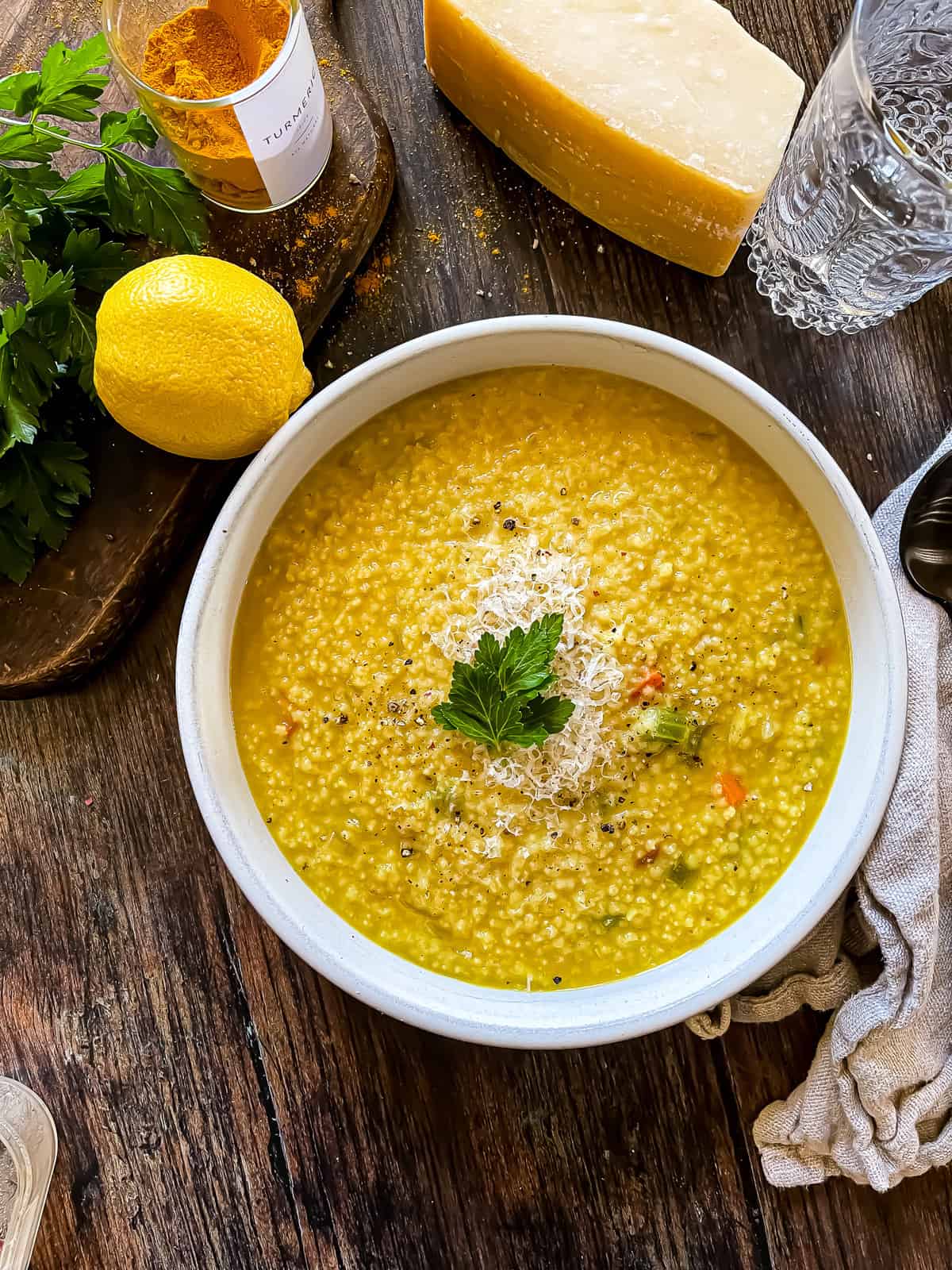
- The Best pastina recipe italian penicillin
- Italian Pastina (Grandma’s Penicillin Soup)
- 🥘Ingredients
- 👨🍳Directions
- 🔧Equipment
- 📊Nutrition Facts (per serving)
- 📝Notes
- Watch Video Of How Italian Pastina (Grandma’s Penicillin Soup) Works
- ❓ Frequently Asked Questions About Italian Pastina (Grandma’s Penicillin Soup)
The Best pastina recipe italian penicillin
What I love most about pastina is how versatile it is. It’s the ultimate quick meal when you’re too tired to cook but still want something warm and nourishing. A pot takes less than 15 minutes, and you can dress it up or keep it plain depending on what you’re in the mood for. Sometimes I’ll add a beaten egg at the end for extra protein, or a handful of spinach if I’m feeling like it needs a little color. It’s also gentle on the stomach, which makes it perfect for when someone’s under the weather or just needs something easy to digest. And let’s be real—it’s one of those rare dishes that both kids and adults will happily eat without complaint.
Beyond being comforting, pastina is actually pretty good for you. The broth is hydrating and packed with minerals, especially if you use a homemade version. The pasta gives you quick energy, and if you add a little olive oil or cheese, you’re getting healthy fats to keep you full. It’s low in calories but still satisfying, which is why I don’t feel guilty serving it as a light dinner or a late-night snack. My family has been eating this for generations, and I’m happy to keep the tradition going. It’s one of those recipes that doesn’t need any fancy ingredients or techniques—just good broth, a little pasta, and a whole lot of love.
Italian Pastina (Grandma’s Penicillin Soup)
A comforting Italian pastina soup, often called ‘Italian penicillin’ for its healing properties. This simple, broth-based dish with tiny pasta stars is perfect for colds or chilly evenings, packed with warmth and nourishment.
🥘Ingredients
- 6 cups chicken or vegetable broth (homemade or low-sodium store-bought)
- 2 cloves garlic, minced
- 1 small onion, finely diced
- 2 tbsp olive oil
- 1 tsp salt (adjust to taste)
- ½ tsp black pepper
- 1 bay leaf
- 1 tsp dried parsley or 1 tbsp fresh parsley, chopped
- 1 cup pastina (tiny star-shaped pasta or any small pasta like orzo or acini di pepe)
- 1 egg (optional, for egg drop variation)
- ¼ cup grated Parmesan cheese, plus extra for serving
- 1 tbsp butter (optional)
👨🍳Directions
-
1
In a large pot, heat olive oil over medium heat. Add diced onion and minced garlic, sautéing until softened and fragrant (about 3-4 minutes). -
2
Pour in the broth, then add salt, black pepper, bay leaf, and parsley. Bring to a gentle boil, then reduce heat to low and let simmer for 10 minutes to allow flavors to meld. -
3
Remove the bay leaf, then increase heat to medium-high. Add the pastina and cook according to package instructions (usually 5-7 minutes) until al dente. Stir occasionally to prevent sticking. -
4
For extra richness, stir in butter and grated Parmesan cheese. If using the egg drop variation, whisk the egg in a small bowl, then slowly drizzle it into the simmering soup while stirring gently to create ribbons. -
5
Taste and adjust seasoning if needed. Ladle the soup into bowls and garnish with additional Parmesan cheese and fresh parsley. Serve hot with crusty bread if desired.
🔧Equipment
- Large pot or Dutch oven
- Wooden spoon
- Cheese grater
- Knife and cutting board
- Measuring cups and spoons
📊Nutrition Facts (per serving)
📝Notes
Watch Video Of How Italian Pastina (Grandma’s Penicillin Soup) Works
❓ Frequently Asked Questions About Italian Pastina (Grandma’s Penicillin Soup)
1. What is “Italian Penicillin” pastina, and why is it called that?
Pastina, meaning “little pasta” in Italian, is a tiny pasta shape (like stelline, acini di pepe, or orzo) often used in broth-based soups. It’s nicknamed “Italian Penicillin” because it’s a traditional comfort food in Italy, especially when someone is sick. The warm, nourishing broth with pastina is believed to help recovery—much like chicken soup in other cultures.
2. What ingredients do I need for a basic pastina recipe?
A simple pastina recipe requires just a few ingredients:
– Pastina (½ cup per serving)
– Broth (chicken, vegetable, or beef—about 2 cups per serving)
– Butter or olive oil (1 tbsp per serving)
– Parmesan cheese (grated, to taste)
– Salt & pepper (to taste)
Optional additions: a beaten egg (for stracciatella-style), finely chopped herbs (parsley, basil), or a splash of lemon juice.
3. How do I cook pastina perfectly without it turning mushy?
To avoid mushy pastina:
1. Use plenty of broth—at least 4 cups per ½ cup of pastina to give it room to cook.
2. Boil the broth first, then add pastina and simmer gently (don’t over-stir).
3. Cook for 3–5 minutes (check the package—tiny shapes cook faster).
4. Remove from heat while still slightly al dente, as it will absorb more liquid as it rests.
5. Add butter/cheese off the heat to prevent clumping.
4. Can I make pastina ahead of time, and how do I reheat it?
Pastina is best served fresh, but you can prep it ahead:
– Cook the pastina separately in broth, then drain and rinse with cold water to stop cooking.
– Store in an airtight container in the fridge for up to 2 days.
– Reheat by adding hot broth or water and simmering for 1–2 minutes until warmed through. Avoid microwaving, as it can make the pasta gummy.
– For freezing: Pastina doesn’t freeze well (it turns mushy), but you can freeze the broth separately and cook fresh pasta when needed.
5. What are some variations to make pastina more flavorful or hearty?
Elevate your pastina with these twists:
– Egg drop (Stracciatella): Whisk 1 egg with grated Parmesan and a pinch of nutmeg, then drizzle into the simmering broth while stirring.
– Vegetable boost: Add finely chopped spinach, carrots, or zucchini to the broth.
– Protein add-ins: Shredded chicken, tiny meatballs, or white beans.
– Creamy version: Stir in a splash of heavy cream or mascarpone at the end.
– Herbaceous: Finish with fresh basil, parsley, or a sprinkle of chili flakes.
– Lemon zest: Brightens the broth—add a strip of peel while cooking, then remove before serving.

