
patty pan recipe


The Best patty pan recipe
They’re also a lifesaver for busy mornings or weekend brunch. No one has to stand in line at the kitchen counter, and you can even make a double batch if someone’s running late. Plus, they’re surprisingly light on the sugar if you use whole wheat flour or a mix of oats and flour. My family’s favorite way to eat them is with a drizzle of cinnamon sugar and a side of scrambled eggs, but you can toss them with blueberries, chocolate chips, or even just a simple drizzle of melted butter and a sprinkle of sea salt. They’re a great way to use up whatever fruit or toppings you’ve got on hand—no waste, no fuss. And because they’re small and portable, they’re perfect for packing lunches or grabbing on the go. It’s a recipe that’s as easy as it is satisfying, and that’s what makes them a go-to for any occasion—whether it’s a weekend brunch with the family or a quick breakfast before heading out the door.
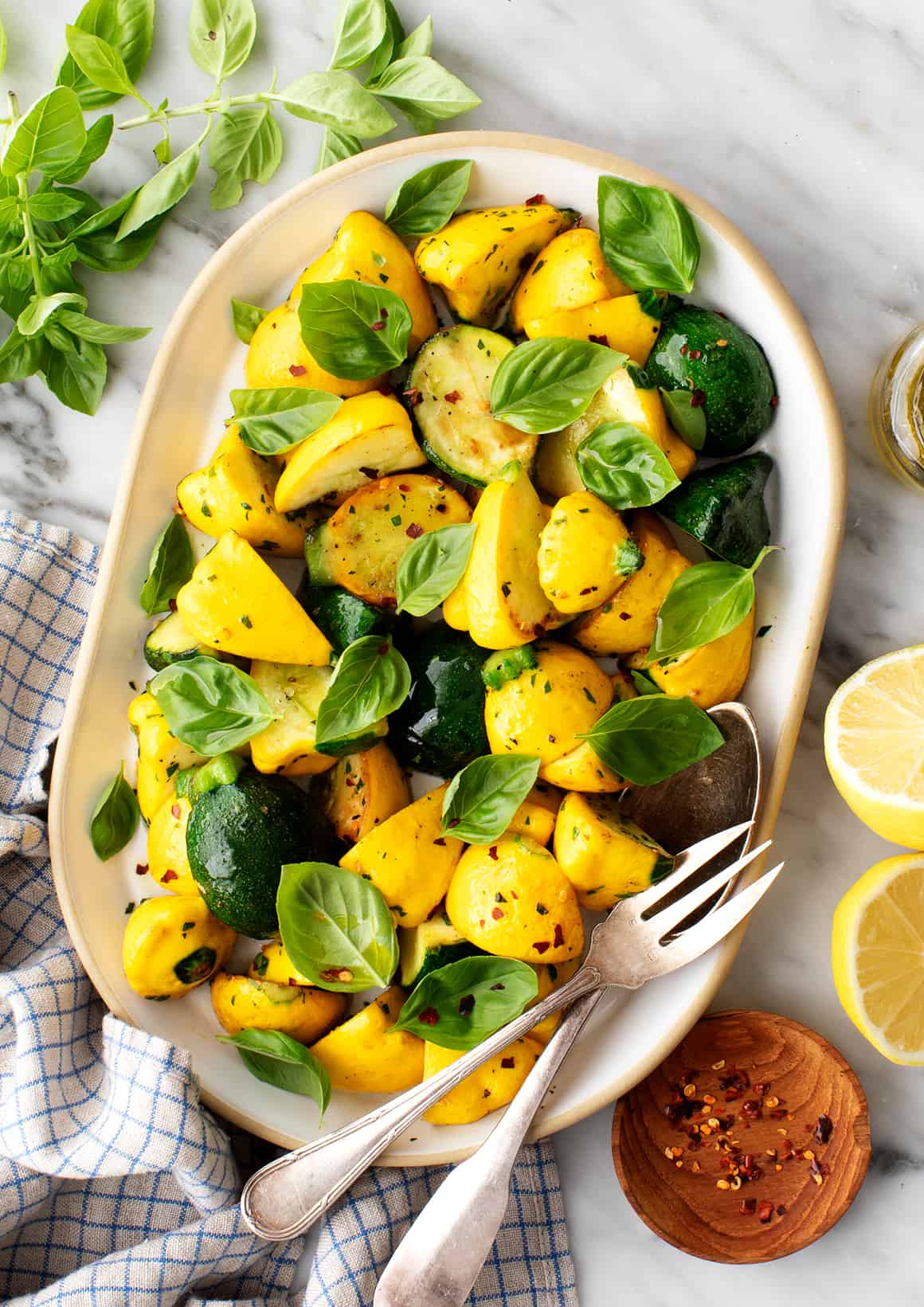
Classic Patty Pan with Garlic Tomato Sauce
A simple, handheld baked dish featuring tender patties in a crispy, oven-baked shell, topped with a savory garlic tomato sauce. Perfect for a quick weeknight meal.
🥘Ingredients
- 2 cups all-purpose flour
- 1 tsp salt
- 1 large egg
- 1/4 cup olive oil
- 1 cup canned tomato sauce
- 2 cloves garlic, minced
- 1 tbsp olive oil
- 1/2 tsp dried oregano
👨🍳Directions
-
1
Preheat oven to 425°F. Line a baking sheet with parchment paper. -
2
In a bowl, whisk together flour, salt, egg, and olive oil until a soft dough forms. Divide into 8 equal pieces. -
3
Roll each piece into a thin oval shape, about 1/4-inch thick. -
4
Place each patty on the baking sheet, leaving space between them. Bake for 12–15 minutes until golden brown. -
5
While patties bake, heat olive oil in a small pan over medium heat. Sauté garlic for 30 seconds until fragrant. Stir in tomato sauce and oregano, simmering for 5 minutes. -
6
Once patties are done, spoon sauce evenly over each. Return to oven for 2–3 minutes to melt the sauce slightly.
🔧Equipment
- Mixing bowl
- Baking sheet
- Oven
- Parchment paper
- Measuring cups and spoons
📊Nutrition Facts (per serving)
📝Notes
Watch Video Of How Classic Patty Pan with Garlic Tomato Sauce Works
❓ Frequently Asked Questions About Patty Pan with Garlic Tomato Sauce
How do I adjust the recipe for dietary restrictions?
You can easily modify this recipe to suit dietary preferences. For a vegetarian version, replace the ground beef with a plant-based crumbles or lentils. For a gluten-free option, use tamari instead of soy sauce and ensure your breadcrumbs are certified gluten-free. For a lower-carb approach, skip the breadcrumbs altogether and add extra spices like smoked paprika or cayenne for flavor.
What if I don’t have a patty pan?
A patty pan is essentially a shallow, round skillet, but you can use a cast-iron skillet or a nonstick frying pan instead. Just ensure it’s large enough to hold the patties without crowding. If using a pan, cook the patties in batches if needed, and avoid overcrowding to prevent steaming instead of browning.
How can I make the patties extra crispy?
For extra crunch, press the breadcrumbs firmly into the patties before cooking. Preheat your patty pan or skillet to medium-high heat for about 1 minute before adding the patties. Cook them for 3–4 minutes per side until golden brown and the edges pull away slightly from the pan. You can also sprinkle a little flaky sea salt on top while cooking for added flavor.
Why did my patties turn out rubbery?
Rubbery patties usually happen when the meat isn’t cooked through properly or when it’s overcooked. To prevent this, pat the meat gently after mixing to help it hold together. Cook them over medium heat and avoid pressing down on them while cooking. Check for doneness by ensuring they reach an internal temperature of 160°F (71°C) using a meat thermometer.
Can I freeze leftover patties?
Yes, you can freeze leftover patties for up to 3 months. Let them cool completely before storing in an airtight container or freezer bag. When ready to cook, thaw in the refrigerator overnight and cook as directed. Freezing can slightly alter texture, so it’s best suited for reheating rather than deep-frying.
