
peruvian ceviche recipe

The Best peruvian ceviche recipe
What I love most about ceviche isn’t just the taste—it’s how easy it is to make and how versatile it is. You can serve it as a light lunch, a starter for a bigger meal, or even as a main dish with some crusty bread or rice. It’s perfect for gatherings because it’s fresh and doesn’t require reheating, and the kids always think it’s magical when they see the fish “cook” in the lime juice. Plus, it’s got all the good stuff: lean protein, omega-3 fatty acids from the fish, and vitamin C from the citrus and veggies. My mom always says, “You can’t go wrong with fresh ingredients,” and that’s exactly what ceviche is—simple, bright, and full of life. It’s a dish that feels special but is really just about bringing the flavors of the sea to the table in the most delicious way.
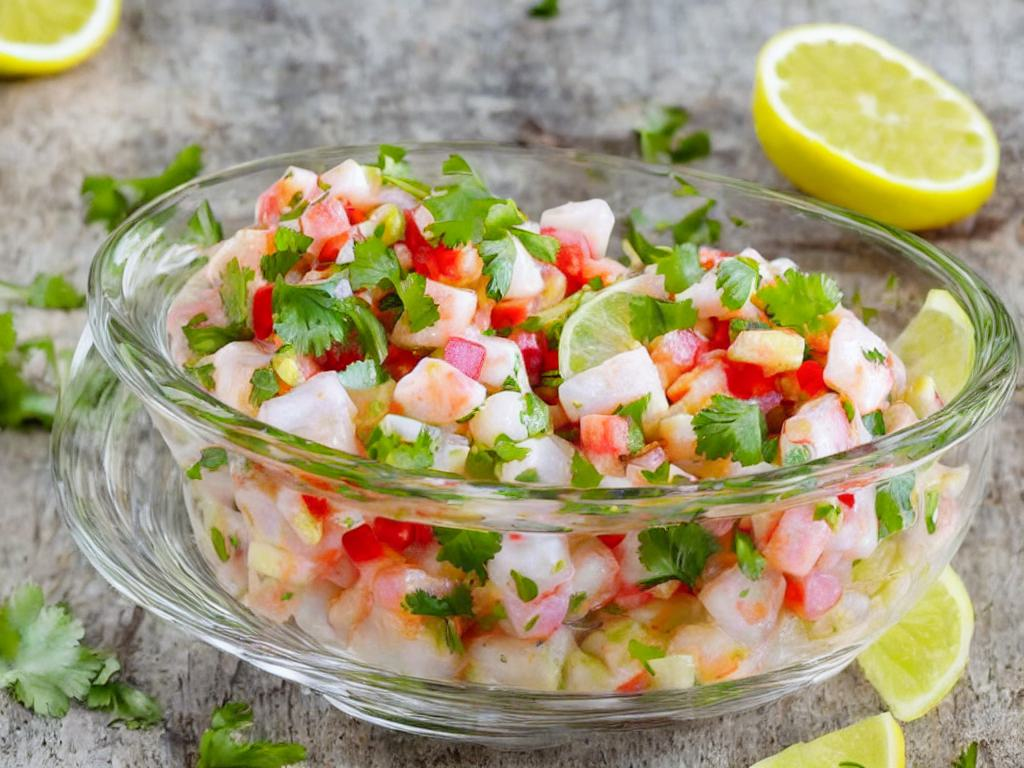
Classic Peruvian Ceviche
A refreshing and vibrant dish featuring fresh raw fish marinated in citrus juices, garnished with vegetables and served with crispy fried plantains or corn. A staple of Peruvian cuisine, ceviche highlights the bright flavors of lime, tomato, and chili.
🥘Ingredients
- 1 lb (450g) fresh white fish (e.g., corvina, sardine, or sea bass), cut into 1-inch cubes
- juice of 4 large limes (about 1 cup)
- juice of 2 large lemons (about ½ cup)
- 1 small red onion, finely diced
- 1 bell pepper (any color), finely diced
- 1 tomato, seeded and finely diced
- ½ cup fresh cilantro, chopped
- 1-2 jalapeños or serrano peppers, finely chopped (optional, for heat)
- Salt and black pepper to taste
- 2 ripe plantains, sliced into rounds
- Vegetable oil for frying
- Salt to taste
- 1 cup fresh or frozen corn kernels, boiled and drained
👨🍳Directions
-
1
Prepare the citrus juices: Extract the juice from the limes and lemons, straining through a fine-mesh sieve if desired to remove pulp. -
2
Marinate the fish: In a large bowl, combine the fish cubes with the lime and lemon juice. Add the diced red onion, bell pepper, tomato, cilantro, jalapeños (if using), salt, and black pepper. Gently toss to coat evenly. Cover and refrigerate for at least 15 minutes (or up to 1 hour for stronger citrus flavor). -
3
Cook the plantains (if serving): Heat oil in a skillet over medium heat. Fry plantain slices until golden brown and crispy (about 3-4 minutes per side). Drain on paper towels and season with salt. -
4
Cook the corn (if serving): Boil corn kernels in salted water for 3-5 minutes until tender. Drain and set aside. -
5
Serve: Divide the ceviche among plates. Top with fried plantains and corn (if using). Garnish with extra cilantro and a squeeze of lime for brightness.
🔧Equipment
- Mixing bowls
- Sharp knife and cutting board
- Fine-mesh strainer (optional, for citrus juice)
- Non-stick skillet or deep fryer
- Slotted spoon
- Paper towels
📊Nutrition Facts (per serving)
📝Notes
- Ensure fish is fresh and properly cleaned to avoid any risk of foodborne illness.
- For a lighter version, skip frying plantains and serve them as is or with a side of avocado.
- Adjust the amount of jalapeños based on your preferred level of spiciness.
- Peruvian ceviche is traditionally served with chicha morada (purple corn drink) or choclo (Andean corn).
Watch Video Of How Classic Peruvian Ceviche Works
❓ Frequently Asked Questions About Peruvian Ceviche
1. What is the key difference between Peruvian ceviche and traditional ceviche from other Latin American countries?
The key difference lies in the ingredients and preparation style. Peruvian ceviche (ceviche peruanó) traditionally uses fresh, high-quality seafood (like fresh tuna, sea bass, or shrimp), lemon or lime juice (sometimes a mix of both), and a blend of fresh herbs (cilantro, scallions, and sometimes ají amarillo or ají limo peppers for heat). It’s often served with chifles (corn tortillas), llapingachos (potato pancakes), and rocoto relleno (stuffed rocoto peppers). Unlike Mexican-style ceviche, which sometimes includes tomatoes and onions, Peruvian versions focus on bright citrus, fresh seafood, and a balance of flavors without heavy spices.
2. Why does Peruvian ceviche require raw fish, and is it safe to eat?
Ceviche relies on the citrus juice (lemon, lime, or sometimes vinegar) to “cook” the fish by breaking down its proteins, giving it a tender, almost cooked texture while keeping it fresh. The acidity also helps kill bacteria, making it safe to eat raw when prepared correctly. However, safety depends on using ultra-fresh, high-quality seafood (preferably caught that day) and avoiding overcooking the fish. Never use pre-packaged or frozen fish for ceviche—always opt for freshly caught, sushi-grade seafood.
3. What’s the best type of fish or seafood to use for authentic Peruvian ceviche?
The most traditional choices are fresh tuna (ataqueño or ataqueño rojo), sea bass (bacalao del mar), or shrimp (camarón). For a milder flavor, sea bass or snapper works well. Avoid fatty fish like mackerel or salmon, as they can get greasy. If using shrimp, ensure they’re peeled and deveined, and remove any shells for a cleaner presentation. The fish should be very fresh—slightly translucent and firm to the touch.
4. How do you properly prepare the citrus juice for ceviche to avoid a bitter or overly acidic taste?
The key is using the right balance of citrus and avoiding over-extraction. For lime, use a mix of lime juice and zest (about 1 part juice to 1 part zest for a bright, citrusy flavor). For lemon, a mix of lemon juice and a little orange zest works well. Avoid using bottled citrus juice—fresh is essential. If the fish feels too acidic, add a splash of water or sea salt to balance it. Also, let the fish sit in the citrus for 5–10 minutes max before adding other ingredients to prevent over-acidification.
5. Can you add other ingredients beyond the usual cilantro, scallions, and ají peppers?
While the classic Peruvian ceviche uses cilantro, scallions, and ají peppers (like ají amarillo or ají limo), you can customize it based on preference. Common additions include:
– Tomatoes (for a slightly sweet, tangy contrast, like in ceviche de camarón).
– Avocado (for creaminess and healthy fats).
– Red onion or jalapeños (for extra crunch and heat).
– Cucumber or radish (for freshness).
– Olives or capers (for a briny touch).
Avoid adding heavy sauces (like mayo or ranch) or overly sweet ingredients (like pineapple), as they can overpower the delicate flavors of the seafood. The goal is to enhance, not replace, the natural taste of the fish.
