
philadelphia cheesecake recipe

The Best philadelphia cheesecake recipe
What I also love about this recipe is how adaptable it is. You can make it as light as you want with a crust made from graham crackers or as decadent as you like with a buttery shortbread base. It’s also surprisingly good for you in the sense that the cream cheese is packed with protein, and if you use full-fat ingredients, it’s not too heavy on the sugar. Plus, it’s a great way to use up seasonal fruits—like strawberries in summer or pecans in fall—without overcomplicating things. My family and I have made this cheesecake countless times, and it never fails to impress, whether it’s for a family gathering or just a quiet night in. It’s that kind of recipe that feels like a classic for a reason.
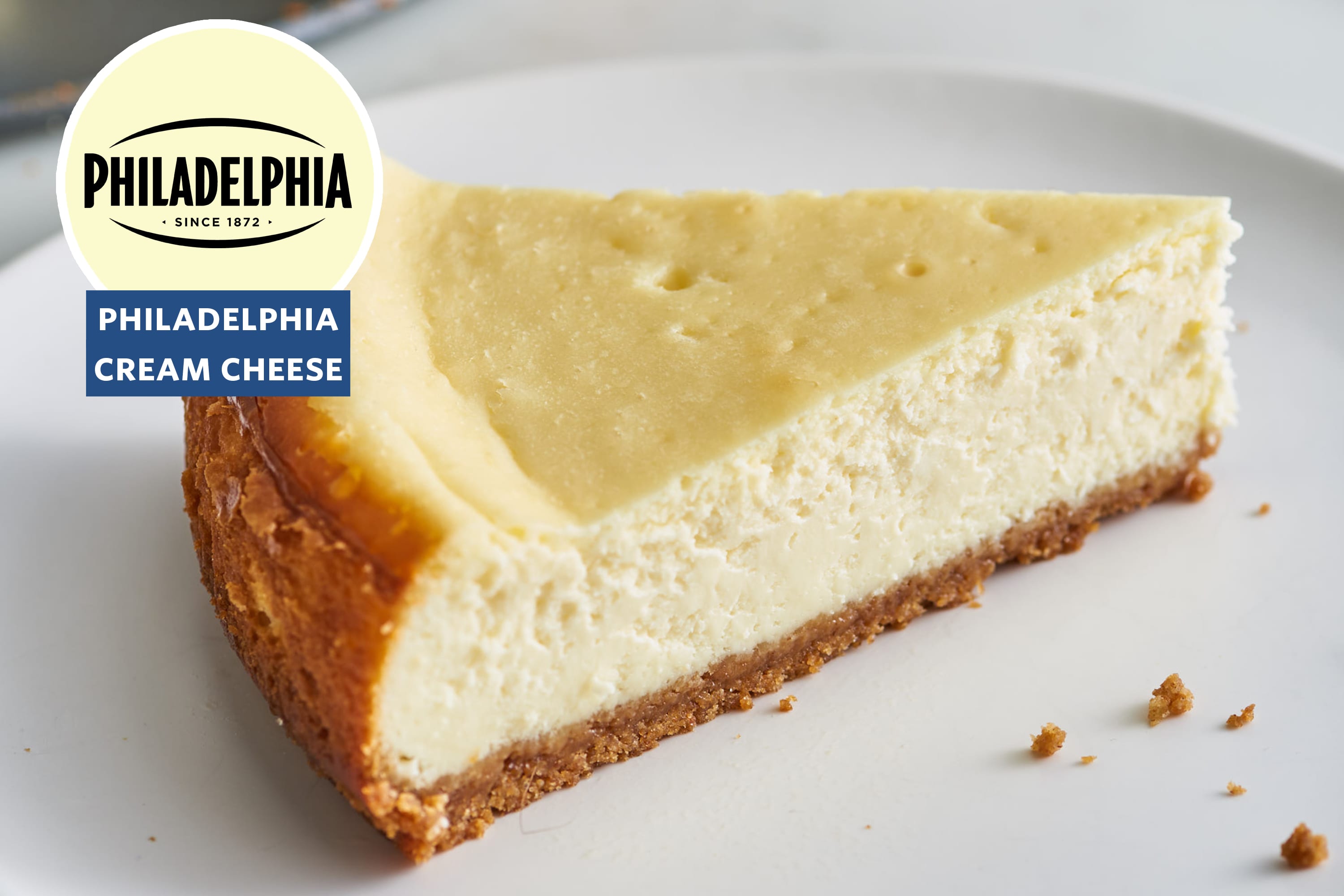
Classic Philadelphia Cheesecake
A rich, creamy, and decadent cheesecake inspired by Philadelphia’s iconic flavors, featuring a tangy graham cracker crust and a velvety Philadelphia-style cheese filling. This recipe is a must-try for any occasion.
🥘Ingredients
- 1 ½ cups graham cracker crumbs
- ½ cup granulated sugar
- 6 tbsp unsalted butter, melted
- 1 tsp ground cinnamon
- 4 (8 oz) packages Philadelphia cream cheese, room temperature
- 1 ½ cups granulated sugar
- 3 large eggs, room temperature
- 1 tsp vanilla extract
- 1 ½ cups heavy cream, room temperature
- 1 tsp lemon juice
- Fresh berries (strawberries, raspberries)
- Powdered sugar for dusting
- Whipped cream
👨🍳Directions
-
1
Preheat oven to 325°F (165°C). Line the bottom and sides of a 9-inch springform pan with parchment paper, leaving an overhang on the sides. -
2
For the crust: In a medium bowl, combine graham cracker crumbs, sugar, melted butter, and cinnamon. Press firmly into the bottom of the prepared pan to form an even crust. Chill in the fridge for 15 minutes. -
3
For the filling: In a large bowl, beat the Philadelphia cream cheese and sugar with an electric mixer on medium speed until smooth and creamy (about 2-3 minutes). Add eggs one at a time, beating well after each addition. Mix in vanilla extract and lemon juice. -
4
In a separate bowl, whip the heavy cream until soft peaks form. Gently fold half of the whipped cream into the cheesecake batter to lighten it. Pour the remaining batter over the crust in the prepared pan. -
5
Smooth the top of the cheesecake with a spatula. Place the springform pan on a baking sheet to catch any spills. Bake at 325°F (165°C) for 50-60 minutes, or until the edges are set but the center is still slightly jiggly. -
6
Turn off the oven, crack the door open, and let the cheesecake cool inside for about 1 hour. Remove from the oven and let it cool to room temperature. Cover and refrigerate for at least 4 hours (or overnight). -
7
Before serving, run a knife around the edges of the cheesecake to loosen it. Transfer to a serving plate and dust with powdered sugar. Top with fresh berries and whipped cream if desired.
🔧Equipment
- 9-inch springform pan
- Mixing bowls (medium and large)
- Electric mixer or stand mixer
- Whisk
- Rubber spatula
- Oven
- Fine-mesh strainer (optional, for silky texture)
📊Nutrition Facts (per serving)
📝Notes
- For a lighter version, replace half the heavy cream with Greek yogurt or a light whipped cream.
- Ensure all ingredients are at room temperature for the best texture. Overmixing the filling can make the cheesecake grainy.
- For a no-bake option, chill the batter in the fridge for 2 hours before pouring into the crust.
- Store in the refrigerator for up to 5 days or freeze for up to 3 months.
Watch Video Of How Classic Philadelphia Cheesecake Works
❓ Frequently Asked Questions About Philadelphia Cheesecake
1. What is the secret to making a perfectly creamy Philadelphia cheesecake?
The secret lies in balancing the right amount of cream cheese, sugar, and a proper baking technique. Use full-fat cream cheese (not reduced-fat) for the best texture. Pre-bake the crust thoroughly to prevent a soggy base, and chill the batter completely before baking to ensure even setting. Additionally, avoid overmixing the filling to maintain a smooth, velvety consistency.
2. Can I substitute any ingredients in the classic Philadelphia cheesecake recipe?
While the original recipe calls for specific ingredients, you can make some adjustments with caution. For example:
– Cream cheese can be replaced with Philadelphia brand (or high-quality full-fat cream cheese) for the best flavor.
– Sugar can be substituted with brown sugar or honey, but adjust the liquid accordingly (e.g., reduce milk slightly if using honey).
– Eggs can be swapped for aquafaba (chickpea brine) in a 1:1 ratio for a vegan version, but texture may differ slightly.
– Vanilla extract can be replaced with almond or coconut extract if preferred, but consistency in flavor should be tested.
Always ensure substitutions don’t alter the cheesecake’s structure or moisture balance.
3. How long should I bake the cheesecake and at what temperature?
For a classic Philadelphia cheesecake, bake at 325°F (163°C) for 50–60 minutes until the edges are set but the center remains slightly jiggly. Overbaking can make it dry and crack. Use a toothpick test: it should come out with a few moist crumbs, not wet batter. If baking in a springform pan, ensure the edges are well-sealed to prevent leaks.
4. Why does my cheesecake crack or develop a hard crust?
Cracks and a hard crust typically occur due to:
– Overmixing the batter, which introduces air and causes expansion.
– Insufficient pre-baking of the crust, leading to moisture seepage.
– Temperature fluctuations (e.g., opening the oven too soon or placing the pan on a hot surface).
– Underchilling the batter before baking, which can cause uneven expansion.
To fix:
– Whisk the batter just until combined—don’t overmix.
– Chill the batter for at least 4 hours (or overnight) before baking.
– Use a water bath (double boiler) for a more even bake to prevent cracking.
– Brush the crust with a simple syrup (equal parts sugar and water) after baking for a softer top.
5. Can I make Philadelphia cheesecake ahead of time, and how should I store it?
Yes! Philadelphia cheesecake tastes even better the next day as flavors meld. Store it in the refrigerator for up to 5 days in an airtight container. For longer storage (up to 3 months), freeze it:
– Unbaked: Wrap the batter in plastic wrap and freeze for up to 3 months.
– Baked: Let it cool completely, wrap tightly in plastic, and freeze. Thaw overnight in the fridge before serving.
To reheat, warm it gently in the microwave (30-second intervals) or place it in a water bath to prevent cracking. Avoid direct heat, as it can make the top dry out.

