
pork gravy recipe

The Best pork gravy recipe
I love this recipe because it’s versatile—you can make it for a big family meal or just a few people, and it pairs well with almost anything. It’s also a great way to use up pork leftovers or even just a small cut of meat, making it practical for everyday cooking. Plus, pork gravy isn’t just about flavor; it’s also a little healthier than you might think if you keep an eye on the fat. You can reduce the amount of oil used and still get that rich, glossy texture without overloading on saturated fat. My husband and I have talked about how it’s a way to enjoy comfort food without feeling guilty, and honestly, the kids never notice the difference as long as it tastes good.
This gravy is perfect for special occasions too—birthdays, holidays, or even just a nice weekend dinner where you want to feel like you’re cooking something extra special. It’s that kind of dish that makes the meal feel complete, whether it’s served over biscuits, with cornbread, or even as a side to something simpler. My grandma used to say that gravy was the glue that held a meal together, and I think she was right. It’s the kind of dish that makes everything feel cozy and satisfying, and honestly, I can’t imagine my kitchen without it.
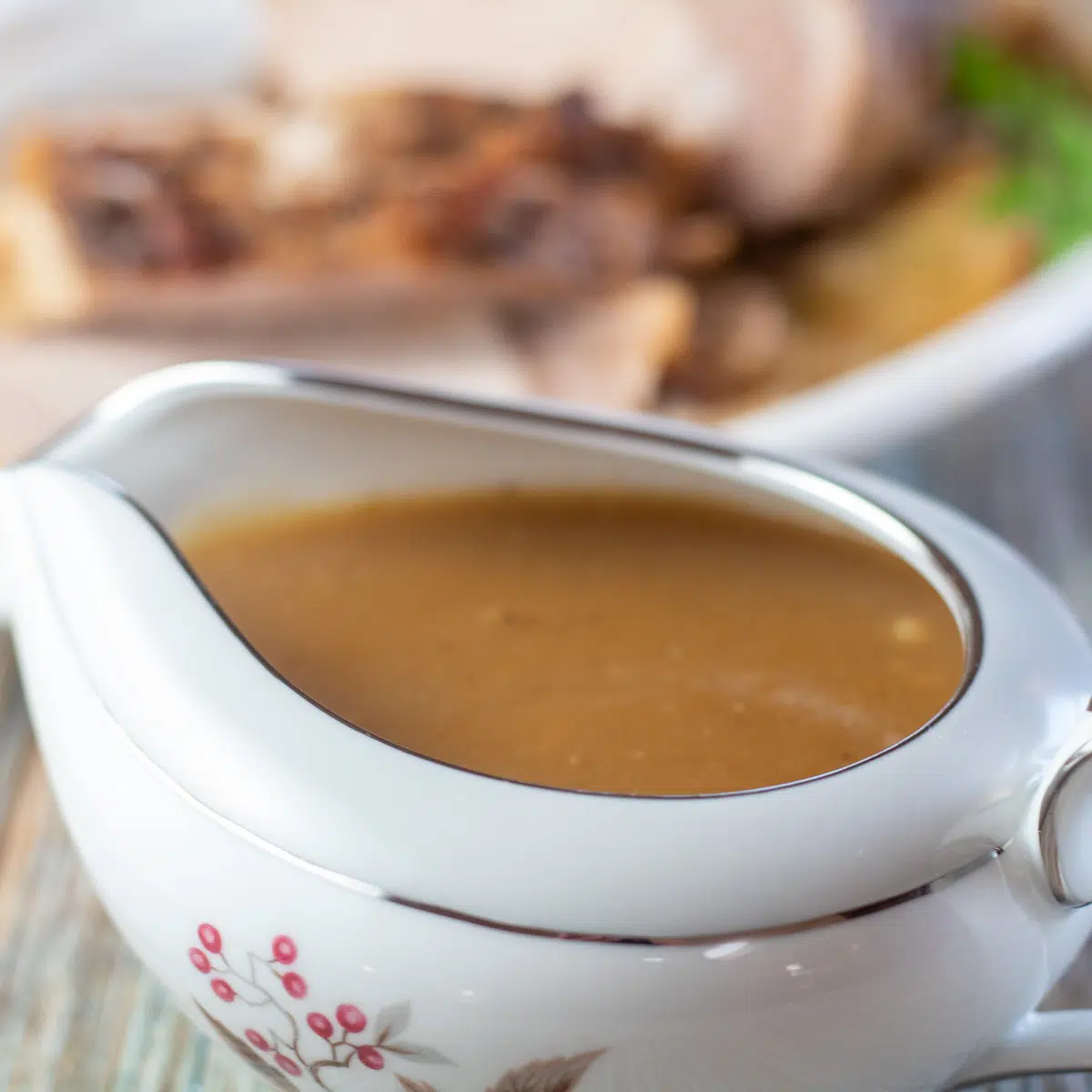
Classic Pork Gravy Recipe
A rich, savory gravy made from pork drippings, perfect for pairing with roasted pork or mashed potatoes. This recipe balances depth of flavor with a smooth, velvety texture.
🥘Ingredients
- 1.5 lbs pork shoulder (bone-in), cut into 2-inch chunks
- 2 tbsp unsalted butter
- 2 tbsp all-purpose flour
- 1 cup pork drippings (from roasting)
- 1 cup beef or chicken broth
- 1 cup heavy cream
- 1 cup whole milk
- 1 large onion, finely diced
- 4 cloves garlic, minced
- 2 tbsp tomato paste
- 1 tsp Worcestershire sauce
- 1 tsp black pepper
- 1 tsp smoked paprika
- 1 bay leaf
- Salt to taste
👨🍳Directions
-
1
Preheat oven to 325°F (165°C). Place pork shoulder on a roasting pan and roast uncovered for 2.5–3 hours, or until internal temperature reaches 195°F (90°C). Remove pork and let it rest while you prepare the gravy. -
2
In a large Dutch oven, melt butter over medium heat. Add diced onion and cook until softened (about 5 minutes). Stir in garlic, tomato paste, Worcestershire sauce, black pepper, smoked paprika, and bay leaf. Cook for another 2 minutes. -
3
Sprinkle flour over the mixture and stir constantly for 1–2 minutes until smooth. Pour in the pork drippings and broth, stirring to combine. Bring to a gentle simmer and let it cook for 5 minutes. -
4
Reduce heat to low, add heavy cream and milk, and stir well. Return the pork to the pot, breaking it into bite-sized pieces. Simmer uncovered for 15–20 minutes, stirring occasionally, until the gravy thickens and reduces slightly. -
5
Remove the bay leaf and adjust seasoning with salt if needed. Taste and add more Worcestershire sauce or black pepper if desired. Serve warm with roasted pork or mashed potatoes.
🔧Equipment
- Large Dutch oven or heavy pot
- Knife and cutting board
- Mixing spoon
- Wooden spoon
- Measuring cups and spoons
📊Nutrition Facts (per serving)
📝Notes
- For extra richness, use bone-in pork shoulder. If you prefer a lighter gravy, reduce the heavy cream and increase the milk proportionally.
- Strain the gravy through a fine-mesh sieve for a smoother texture.
- Store gravy in an airtight container in the refrigerator for up to 5 days or freeze for up to 3 months.
Watch Video Of How Classic Pork Gravy Recipe Works
❓ Frequently Asked Questions About Pork Gravy
1. What is the best way to ensure the pork gravy has a rich, deep flavor without overpowering the dish?
To enhance depth in pork gravy, use a combination of aromatics like onions, garlic, and fresh herbs (such as thyme or rosemary). Slow-cooking the pork in its juices and reducing the broth or sauce for a thicker consistency also helps. Adding a splash of red wine or a pinch of smoked paprika can add complexity, while a touch of Dijon mustard or Worcestershire sauce balances the richness.
2. Can I substitute any ingredients in the pork gravy recipe if I don’t have them on hand?
Yes! If you lack fresh herbs, dried ones (like dried thyme or oregano) can work in equal amounts. For a deeper umami flavor, a small amount of soy sauce or a splash of fish sauce can replace missing seasonings. If the recipe calls for a specific type of pork (like shoulder), boneless pork chops or even ground pork can be used with slight adjustments to cooking time. Always adjust salt and spices accordingly.
3. How do I prevent the gravy from becoming too thick or too thin when cooking?
To avoid a runny gravy, let the meat render its fat and juices before adding liquid, then reduce the sauce slowly over medium heat. Stirring occasionally helps distribute heat evenly. If the gravy thickens too much, thin it with a splash of broth or milk (for creamier texture). For a thinner gravy, simmer it longer or add a bit more liquid gradually. A cornstarch slurry (mixed with cold water) can also help thicken it without altering the flavor.
4. What’s the secret to making the gravy smooth and silky instead of grainy or lumpy?
Blending the cooked pork and fat into a smooth paste before adding liquid prevents lumps. Use an immersion blender or transfer the mixture to a blender with a little broth to puree it. Straining the gravy through a fine-mesh sieve can also remove any remaining chunks. Avoid over-stirring while reducing the sauce, as it can create air bubbles that make the gravy grainy. Finishing with a touch of cream or butter can also improve texture.
5. How long should I cook the pork for the gravy, and can I make it ahead of time?
Cooking the pork until it’s tender (about 15–20 minutes for shoulder or chops) ensures it breaks down easily for gravy. If making gravy ahead, store it in an airtight container in the fridge for up to 3 days or freeze for up to 3 months. Reheat gently over low heat, stirring occasionally, and adjust seasoning if needed. For best flavor, reheat with a splash of liquid to prevent thickening.

