
quince fruit recipe preserves

The Best quince fruit recipe preserves
This recipe is also one of those things that feels like a little love in a jar. It’s a great way to use up quince when it’s in season, and it keeps beautifully for months, so you’re always stocked up for when you want something special. My family loves it for holidays—think Thanksgiving spreads, Easter centerpieces, or just a simple afternoon snack—but it’s also something we’ll grab whenever we’re craving something homemade and healthy. Quince is packed with fiber and antioxidants, so it’s not just tasty—it’s good for you too. Plus, there’s something comforting about making something from scratch, even if it’s just a few ingredients, and I always feel proud when my kids help with the prep. It’s a little project that turns into something they’ll actually eat, and that’s always a win.
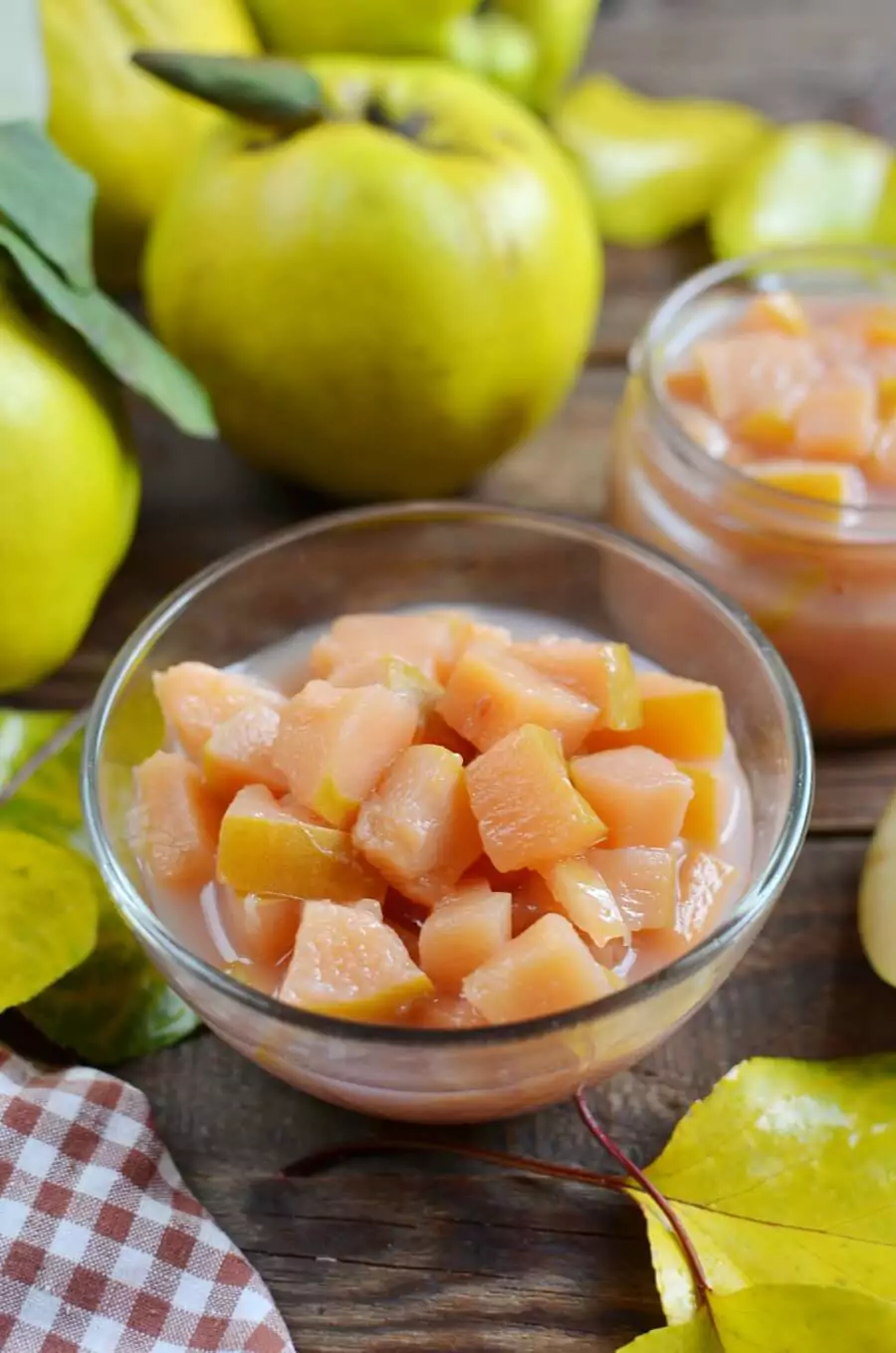
Quince Fruit Preserves
Delicate and fragrant preserves made from ripe quince fruit, perfect for spreading on toast, pairing with cheese, or adding to desserts. These preserves have a natural sweetness and a subtle floral aroma.
🥘Ingredients
- 4 ripe quince fruits (peeled and sliced)
- 2 cups water
- 1 cup granulated sugar
- 1 tsp lemon juice
- 1 cinnamon stick
- 1 tsp vanilla extract
- 1 tbsp fresh rosemary (chopped)
👨🍳Directions
-
1
Preheat oven to 200°F (95°C) for sterilizing jars. Clean and dry jars and lids. -
2
Peel the quince fruits by boiling them in water for 5 minutes, then plunging into ice water to firm up the skin. Slice the quince into thin rounds. -
3
In a large saucepan, combine sliced quince, water, sugar, and lemon juice. Bring to a boil over medium-high heat. -
4
Reduce heat to low and simmer uncovered for about 45-60 minutes, stirring occasionally, until quince is tender and the mixture thickens. -
5
Remove from heat and let cool slightly. Strain the mixture through a fine-mesh strainer to remove any pulp or seeds. Discard solids if desired. -
6
If using optional additions, stir in cinnamon stick, vanilla extract, or rosemary while the preserves are still warm. -
7
Pour the preserves into sterilized jars, leaving ¼ inch headspace. Seal the jars tightly and place them in the oven to sterilize at 200°F (95°C) for 10 minutes. -
8
Allow jars to cool completely before storing in a cool, dark place. Preserves will keep for up to 1 year.
🔧Equipment
- Large saucepan
- Wooden spoon
- Fine-mesh strainer
- Clean jars with lids
- Baking sheet
📊Nutrition Facts (per serving)
📝Notes
Tips
- Ensure quince is ripe for best flavor; slightly underripe quince will not soften properly.
- For a lighter preserve, reduce sugar to 1.5 cups and add a splash of pomegranate juice.
- Store in an airtight container if not jarred immediately.
- Quince preserves can be used in both sweet and savory dishes, such as with goat cheese or in savory pies.
Substitutions
- If quince is unavailable, substitute with pear slices or apple slices (adjust cooking time as needed).
Watch Video Of How Quince Fruit Preserves Works
❓ Frequently Asked Questions About Quince Fruit Preserves
1. What are the primary ingredients needed to make quince fruit preserves?
To make traditional quince preserves, you’ll need ripe quinoa (or quince fruit), sugar (usually a 1:1 ratio with fruit weight), lemon juice or citric acid for acidity, and a pinch of salt. Some recipes also include a small amount of water or wine to help tenderize the fruit before cooking. Freshly squeezed lemon juice is key to preventing browning and enhancing flavor.
2. How do I prepare quince before cooking it for preserves?
Quince must be softened before cooking—first, peel it (use a sharp knife or peel it by hand), then boil it in water with a pinch of salt for about 15–20 minutes until very tender. Drain and mash it slightly to release its natural juices. Some cooks also add a splash of white wine or vinegar to help break down the fruit’s fibers.
3. What’s the best way to control the thickness of quince preserves?
The thickness depends on your desired consistency. For a thicker, jam-like texture, cook the quince and sugar mixture on low heat for 1–2 hours, stirring occasionally, until it reaches a syrupy consistency. For a thinner, more spreadable preserve, reduce the sugar slightly or add a bit of water before cooking. Always check with a candy thermometer (aim for 230–240°F/110–116°C for a medium jam).
4. Why do quince preserves turn brown, and how can I prevent it?
Quince naturally oxidizes when exposed to air, causing browning. To prevent this, always use freshly squeezed lemon juice (about 1–2 tablespoons per pound of quince) immediately after peeling and before cooking. Some recipes add a small amount of ascorbic acid (vitamin C) as a preservative. Stirring in a small amount of water or wine before cooking also helps dilute the fruit’s natural tannins that cause browning.
5. How long can quince preserves be stored, and what’s the best way to store them?
Homemade quince preserves typically last 6–12 months in an airtight glass jar in a cool, dark place. For longer storage, refrigerate them (up to 6 months) or freeze them in portions (up to 1 year). To prevent mold, ensure the jar is completely sealed and the preserves are fully set (no liquid should remain at the top). Avoid leaving them exposed to air during storage.

