
raw cuisine recipe

The Best raw cuisine recipe
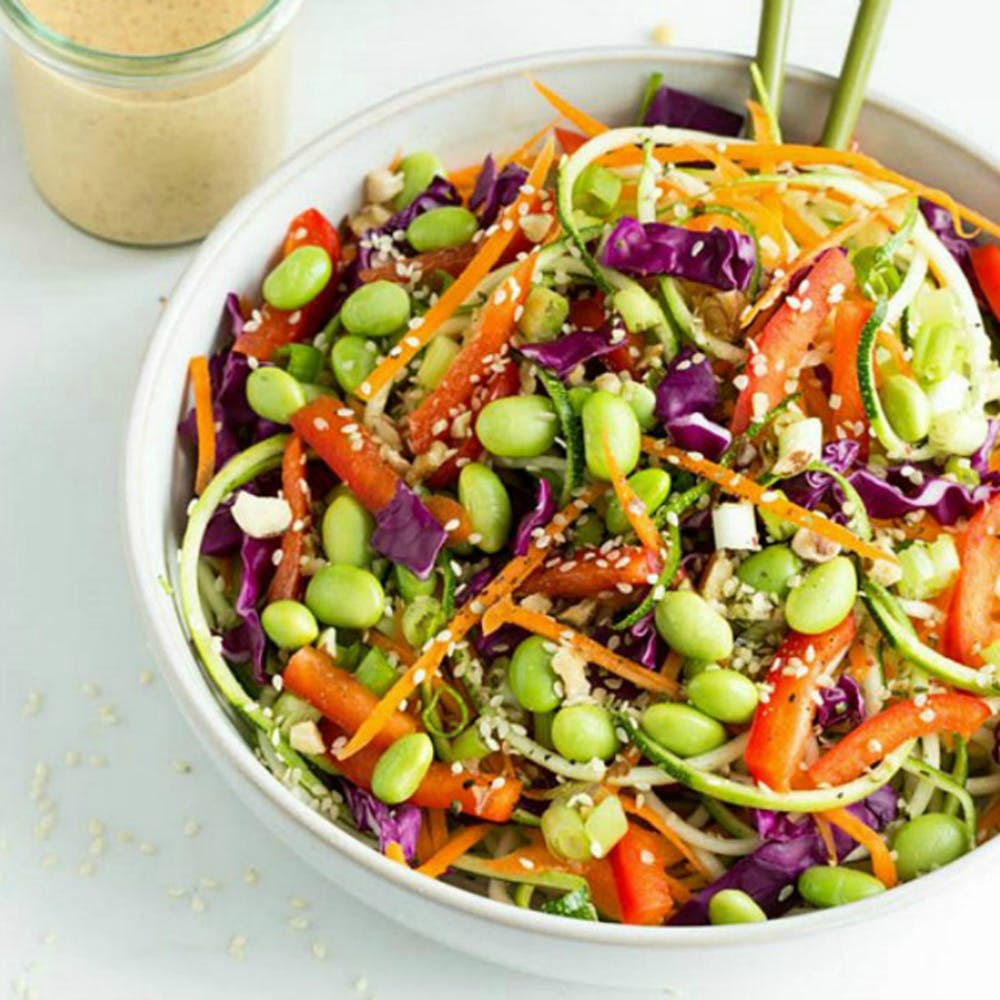
I also love that raw cuisine is packed with nutrients—vitamins, minerals, and enzymes that help your body stay strong and energized. No frying, no baking, no long cook times, just pure, unprocessed ingredients that make every bite feel nourishing. Plus, it’s a great way to sneak in more greens and other veggies if you’re trying to eat better. My family doesn’t even notice it’s raw because the flavors are so bold and fresh, and it’s always a hit with guests. It’s the kind of dish that feels like a celebration, even when you’re just making it for yourself.
Crispy Raw Garlic Tomato Flatbread
A light, airy flatbread made with raw dough and a tangy garlic sauce. Perfect for dipping or as a base for toppings.
🥘Ingredients
- 2 cups all-purpose flour
- 1 tsp sea salt
- 1 tbsp olive oil
- 1/4 cup cold water
- 1 cup canned tomato sauce
- 2 cloves raw garlic, minced
- 1 tbsp lemon juice
- 1/2 tsp red pepper flakes (optional)
👨🍳Directions
-
1
In a food processor, pulse flour, salt, and olive oil until combined. Add cold water and pulse until a soft dough forms. Transfer to a bowl, cover, and rest for 10 minutes. -
2
Preheat your workspace by placing a sheet of parchment paper on a clean counter. Roll the dough thinly (about 1/8-inch thick) and transfer it to the parchment. -
3
Mix tomato sauce, minced garlic, lemon juice, and red pepper flakes in a bowl. Spread the sauce evenly over the rolled-out dough. -
4
Fold the edges of the parchment over the dough to seal. Place on a baking sheet and bake at 375°F until edges are crisp and golden (about 12–15 minutes).
🔧Equipment
- Food processor
- Mixing bowl
- Large sheet of parchment paper
- Rolling pin
- Baking sheet
📊Nutrition Facts (per serving)
📝Notes
Watch Video Of How Crispy Raw Garlic Tomato Flatbread Works
❓ Frequently Asked Questions About Crispy Raw Garlic Tomato Flatbread
1. What are the best tools to use for preparing raw cuisine dishes?
Raw cuisine often relies on precise measurements and clean preparation. A good knife with a sharp blade, a food processor for chopping and blending, and a reliable food thermometer (though not always needed) are essential. For marinating, a slow cooker or cold storage works best to keep ingredients safe and flavorful. If you’re making seafood, a fish scale can help ensure proper doneness.
2. Can I substitute any ingredients if I don’t have them on hand?
Substitutions are common, but they can alter texture and flavor. For example, instead of fresh ginger, you can use ground ginger or even a small amount of turmeric for color. If a recipe calls for raw fish, opt for high-quality, frozen seafood that has been properly thawed in the fridge. Always check the recipe’s notes for guidance, and adjust seasoning afterward if needed.
3. How do I ensure my raw ingredients are safe to eat?
Freshness is key. Buy ingredients from trusted sources, and store them properly—refrigerate fish, shellfish, and other perishables within a few hours of purchase. For leafy greens, wash them thoroughly under cold water to remove any dirt or bacteria. If using raw meat or poultry, ensure it’s from a reputable source and check for proper handling and storage to avoid cross-contamination.
4. What’s the ideal storage method for raw cuisine ingredients?
Store raw ingredients in airtight containers in the fridge to extend freshness. For fish and shellfish, use separate containers to prevent odors from spreading. Leafy greens can be stored in a sealed bag with a paper towel to absorb moisture. If marinating, keep ingredients in the fridge and use within a few hours or overnight for best results.
5. How can I make raw cuisine more flavorful without overpowering it?
Balance is everything. Use fresh herbs like cilantro, parsley, or basil to brighten flavors. A squeeze of citrus (lemon or lime) adds zing without sweetness. For umami depth, incorporate ingredients like miso paste, soy sauce, or a dash of Worcestershire. Don’t hesitate to adjust salt and acidity to taste—raw cuisine is all about letting flavors shine naturally.
