
recipe with poblano peppers


- The Best recipe with poblano peppers
- Spiced Poblano-Stuffed Peppers with Creamy Tomato Sauce
- 🥘Ingredients
- 👨🍳Directions
- 🔧Equipment
- 📊Nutrition Facts (per serving)
- 📝Notes
- Watch Video Of How Spiced Poblano-Stuffed Peppers with Creamy Tomato Sauce Works
- ❓ Frequently Asked Questions About Spiced Poblano-Stuffed Peppers with Creamy Tomato Sauce
The Best recipe with poblano peppers
What I also love about this recipe is how versatile it is. It’s hearty enough to feel satisfying for a full meal, but you can also use it as a quick weeknight dip or a filling for wraps and tacos. The poblano peppers add a mild, slightly sweet heat that’s easy on the palate, making it a great option for picky eaters too. Plus, it’s packed with nutrients—those peppers are rich in vitamin C, antioxidants, and fiber, which makes it a healthier choice without sacrificing taste. It’s the kind of dish that feels like a little treat, but it’s also so simple that anyone can make it feel like one.
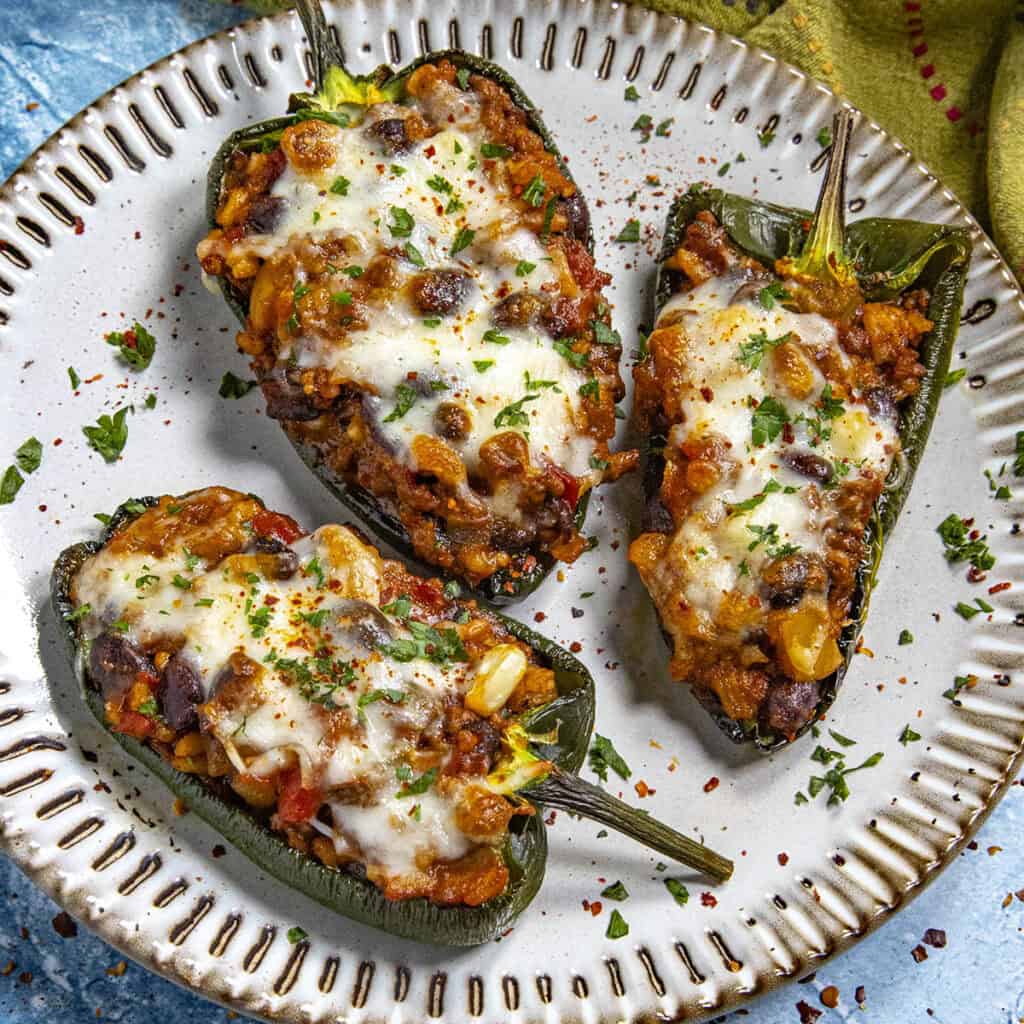
Spiced Poblano-Stuffed Peppers with Creamy Tomato Sauce
A comforting dish where tender poblano peppers are filled with a savory mixture and baked until golden. The smoky-sweet peppers pair perfectly with a rich tomato sauce, making this a hearty one-dish meal.
🥘Ingredients
- 2 poblano peppers, seeds removed
- 1 cup cooked rice
- 1 small onion, finely diced
- 1 cup shredded cheese (cheddar or Monterey Jack)
- 1 tsp ground cumin
- ½ tsp smoked paprika
- 1 egg, beaten
- 1 cup tomato sauce
- 1 cup heavy cream
- 1 tsp dried oregano
- ½ tsp garlic powder
- Salt and black pepper to taste
👨🍳Directions
-
1
Preheat oven to 375°F. Clean and dry the poblano peppers, then slice them lengthwise to remove seeds and membranes. Set aside. -
2
In a bowl, mix cooked rice, diced onion, cumin, smoked paprika, shredded cheese, and beaten egg until well combined. -
3
Stuff each poblano pepper with the rice mixture, pressing gently to secure. -
4
Place stuffed peppers in a baking dish, pour tomato sauce over them, and sprinkle with oregano, garlic powder, salt, and pepper. -
5
Cover the dish with foil and bake for 25 minutes. Remove foil and bake for another 10–15 minutes until peppers are tender and the sauce is bubbling.
🔧Equipment
- Mixing bowls
- Cutting board
- Knife
- Oven-safe baking dish
- Baking sheet
📊Nutrition Facts (per serving)
📝Notes
Watch Video Of How Spiced Poblano-Stuffed Peppers with Creamy Tomato Sauce Works
❓ Frequently Asked Questions About Spiced Poblano-Stuffed Peppers with Creamy Tomato Sauce
How do I choose the right poblano pepper for this recipe?
You can use fresh poblano peppers, which are slightly larger than jalapeños and have a mild, slightly sweet heat. Look for firm peppers with a deep green color and no signs of softness or discoloration. If using dried poblano peppers, soak them in warm water for about 10 minutes to rehydrate before using.
Can I substitute another type of pepper for poblano peppers in this recipe?
While you can substitute other mild peppers like green bell peppers or serrano peppers, poblano peppers add a distinct flavor and slight heat that’s essential for this dish. Bell peppers lack the depth of flavor, and serranos are too hot. For a milder version, use green bell peppers, but note the flavor difference.
Why should I blanch poblano peppers before using them?
Blanching helps remove any bitterness and softens the skin slightly, making it easier to handle. It also helps reduce any residual moisture that could make the dish too wet. Simply boil the peppers for about 30 seconds, then cool in ice water before using.
How do I store leftover poblano pepper filling?
Store the filling in an airtight container in the fridge for up to 4 days. For longer storage, freeze portions in ice cube trays for up to 3 months. Thaw in the fridge before reheating.
What if I don’t have a slow cooker for this recipe?
You can use a stovetop pot instead. Cook the filling on low heat, stirring occasionally, for about 2–3 hours, or until thickened. Alternatively, bake at 350°F (175°C) for 1.5–2 hours. Keep an eye on it to avoid overcooking.
