
reverse sear prime rib recipe


The Best reverse sear prime rib recipe
I love this reverse sear prime rib recipe because it gives you a perfectly cooked roast every time with a beautiful crust and a juicy, tender center. My family gets so excited when I make this for holiday dinners or special Sunday meals. The reverse sear method is simple and takes the guesswork out of cooking prime rib, plus it is a great source of protein and essential nutrients like iron and B vitamins. My kids even ask for seconds, and I feel good serving something that is both delicious and nourishing for a gathering.
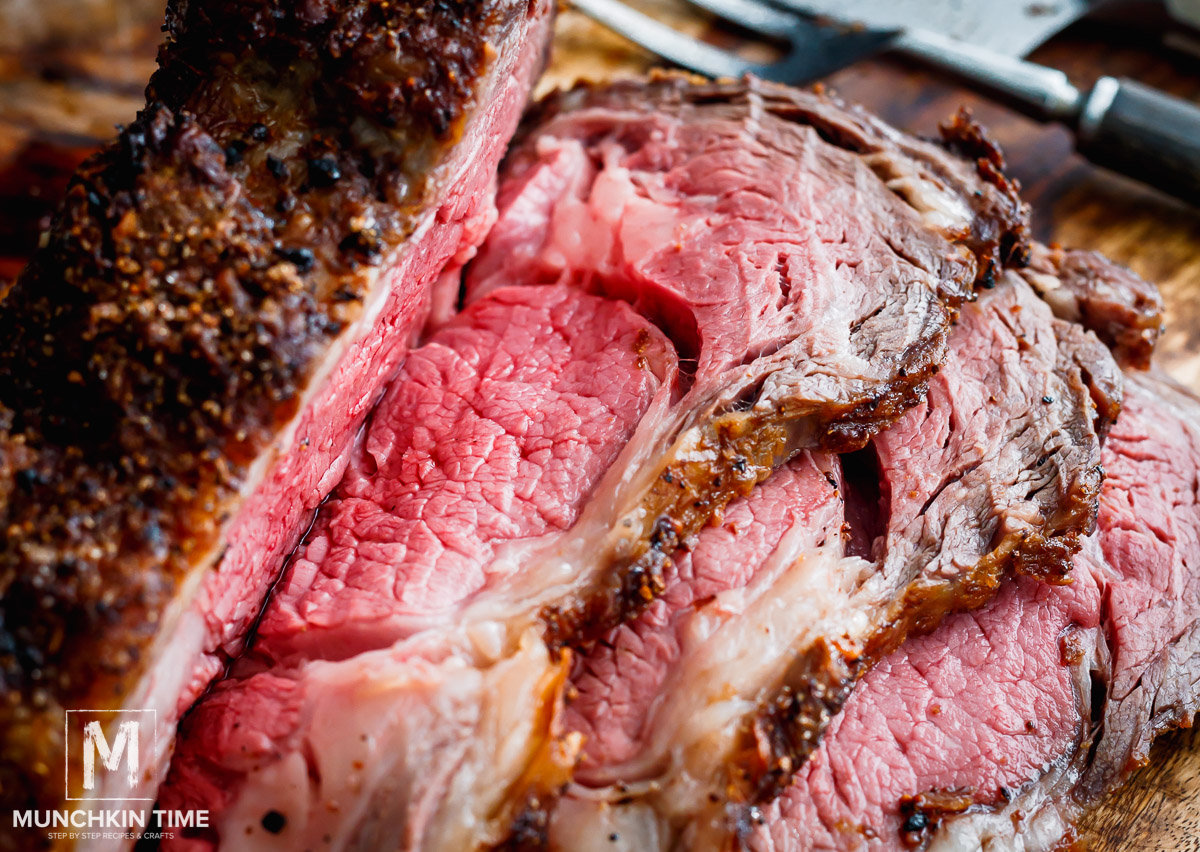
Perfect Reverse Sear Prime Rib
This reverse sear prime rib recipe delivers a tender, evenly cooked roast with a flavorful crust. It is ideal for holiday feasts or family dinners and is surprisingly easy to master.
🥘Ingredients
For the Prime Rib
For the Au Jus (optional)
👨🍳Directions
🔧Equipment
📊Nutrition Facts (per serving)
📝Notes
Watch Video Of How Perfect Reverse Sear Prime Rib Works
This reverse sear prime rib recipe has become a staple in my kitchen because it always delivers a showstopping centerpiece that impresses guests without stress. I highly recommend it for any holiday or family gathering, as the method is reliable and the results are consistently delicious.
❓ Frequently Asked Questions About Reverse Sear Prime Rib
1. What is reverse searing and why use it for prime rib?
Reverse searing means cooking the roast at a low temperature first, then searing it at high heat at the end. This method ensures even cooking from edge to center and creates a perfect crust without overcooking the outside.
2. What internal temperature should I aim for?
For medium-rare, remove the roast from the oven when it reaches 120°F. After resting and searing, the temperature will rise to about 130°F. Adjust the target temperature by 5 degrees for medium or rare.
3. Do I need to let the prime rib rest?
Yes, resting is crucial. Let it rest for 20 minutes after the low-temperature cook, then again for 10 minutes after searing. This allows the juices to redistribute so the meat stays moist.
4. Can I use a boneless prime rib for this recipe?
Yes, a boneless roast works fine. Cooking times may be slightly shorter since there is no bone to slow heat transfer. Use a meat thermometer to check doneness.
5. How do I store leftovers?
Store leftover prime rib in an airtight container in the refrigerator for up to 4 days. Reheat gently in a low oven or in slices in a skillet to avoid drying it out.

