
rice flour recipe

- The Best rice flour recipe
- Flour-Based Rice Dough (Gluten-Free Rice Flour Pancakes)
- 🥘Ingredients
- 👨🍳Directions
- 🔧Equipment
- 📊Nutrition Facts (per serving)
- 📝Notes
- Watch Video Of How Flour-Based Rice Dough (Gluten-Free Rice Flour Pancakes) Works
- ❓ Frequently Asked Questions About Flour-Based Rice Dough (Gluten-Free Rice Flour Pancakes)
The Best rice flour recipe
This recipe has become a go-to for both everyday meals and special occasions because it’s foolproof and always turns out well. Whether I’m making rice flour pancakes for breakfast, crispy rice flour fritters for lunch, or even a simple rice flour cake for a dessert, the kids always ask for seconds. And honestly, I don’t blame them—it’s just so easy to prepare and packed with flavor. Plus, rice flour is great for those who need to avoid gluten, wheat, or even dairy in some cases, which makes it a real lifesaver when I’m meal planning for picky eaters or health-conscious families. It’s that kind of recipe that feels like a no-brainer to make, but still feels special when you serve it.
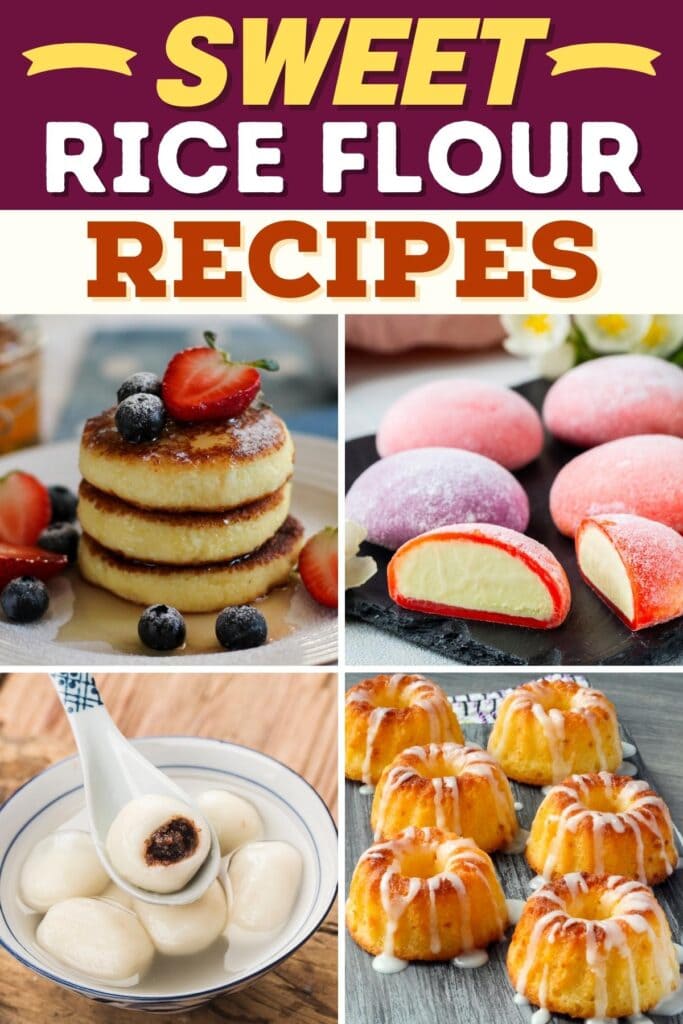
Flour-Based Rice Dough (Gluten-Free Rice Flour Pancakes)
A simple, gluten-free recipe using rice flour to create fluffy, savory pancakes that are perfect for breakfast or a light meal. Lightly sweetened with a hint of cinnamon for warmth.
🥘Ingredients
- 1 cup rice flour
- 1 cup water (divided)
- 1 tbsp sugar (or honey)
- 1 tsp baking powder
- ½ tsp salt
- ½ tsp cinnamon
- 1 egg (optional, for binding)
- 1 tbsp butter or oil
- ½ cup mixed berries
- 1 tbsp maple syrup
- 1 tbsp chopped nuts (e.g., walnuts)
👨🍳Directions
-
1
Preheat a non-stick skillet over medium heat and lightly grease with butter or oil. -
2
In a bowl, whisk together rice flour, sugar, baking powder, salt, and cinnamon. Gradually add ½ cup of water while whisking until smooth. If using an egg, add it now and mix well. -
3
Pour ¼ cup of batter into the skillet. Cook for 2–3 minutes per side, or until golden brown. Repeat, adding remaining batter in ¼ cup portions. -
4
For toppings: Warm butter/oil in a small pan, then warm mixed berries and maple syrup in the same pan for 1 minute. Stir in chopped nuts if using.
🔧Equipment
- Mixing bowls
- Whisk
- Non-stick skillet
- Oven-safe tray (optional, for baking)
📊Nutrition Facts (per serving)
📝Notes
- For extra fluffiness, let the batter rest for 5 minutes before cooking.
- Substitute water with almond milk for a dairy-free option.
- Store cooked pancakes in an airtight container for up to 3 days or freeze for longer storage.
Watch Video Of How Flour-Based Rice Dough (Gluten-Free Rice Flour Pancakes) Works
❓ Frequently Asked Questions About Flour-Based Rice Dough (Gluten-Free Rice Flour Pancakes)
1. What is rice flour, and how is it different from regular all-purpose flour?
Rice flour is made from finely ground rice, typically white or brown, and is a gluten-free alternative to all-purpose flour. Unlike all-purpose flour, which contains wheat gluten for elasticity, rice flour lacks this protein, making it suitable for those with gluten sensitivities or celiac disease. It’s lighter in texture and absorbs moisture differently, which can affect baking results compared to wheat flour.
2. Can I substitute rice flour for all-purpose flour in baking recipes, and if so, what adjustments should I be made?
Yes, you can substitute rice flour, but you’ll likely need to adjust the recipe. Since rice flour lacks gluten, recipes may require:
– Adding a binding agent like xanthan gum (½ tsp per cup of rice flour) to improve texture.
– Reducing liquid slightly (since rice flour absorbs more moisture).
– Using a higher ratio of liquid (e.g., adding 1–2 tbsp extra milk or water per cup of flour).
For cakes or muffins, a mix of rice flour and a small amount of all-purpose flour (e.g., 75% rice flour, 25% AP flour) often works better.
3. Is rice flour suitable for all types of baking, or are there certain dishes where it’s better avoided?
Rice flour works well for dishes like:
– Rice cakes, pancakes, and waffles (light and fluffy texture).
– Gluten-free bread (when combined with other flours or binders).
– Savory dishes like dumplings, crispy coatings, or batter for frying (it’s neutral and absorbs flavors well).
However, it may not work as well for:
– Yeast-based breads (due to lack of gluten structure).
– Cheesecakes or custards (can make them grainy if overused).
– Dark, dense baked goods (like brownies or carrot cake), as it lacks browning agents like sugar or eggs.
4. How do I store rice flour to keep it fresh and prevent it from absorbing moisture?
To store rice flour properly:
– Keep it in an airtight container (glass or metal jars work best).
– Store in a cool, dry place away from humidity (like a pantry or fridge if needed).
– Avoid freezer storage unless it’s a specialty or organic rice flour (some brands freeze well for long-term use).
– Check for mold or clumping before use—discard if it smells off or looks spoiled.
5. Can I use rice flour for making gluten-free pasta, and what’s the best way to cook it?
Yes, rice flour can be used to make gluten-free pasta, but it’s best mixed with other flours like semolina, chickpea flour, or konjac flour for better texture and chewiness. A common blend is:
– 70% rice flour
– 20% semolina or chickpea flour
– 10% konjac flour or egg whites (for binding).
To cook:
– Cook like regular pasta in well-salted water (add 1–2 tbsp vinegar to help it hold shape).
– Avoid overcooking, as rice flour pasta can turn mushy quickly.
– Pair with sauces that have a thickener (like tomato sauce with cornstarch or a rich Alfredo).

