
russian kitchen recipe

The Best russian kitchen recipe
What really makes Russian cooking stand out is how versatile it is. Whether it’s a simple olivye salad for a quick lunch or a rich beef stroganoff for a weekend meal, these dishes are built to feed a crowd without breaking the bank. My husband and I love serving pyrozhki—those little stuffed pastries—at holiday gatherings because they’re so easy to make ahead and always get rave reviews. My kids swear by salted milk pudding for dessert because it’s sweet but not too heavy, and it’s something they can eat with their hands, which is always a win. Plus, the health benefits? Well, Russian cooking often relies on whole grains, fresh vegetables, and lean proteins, so it’s not just tasty—it’s actually good for you too. That’s something I never take for granted.
Beef Stroganoff with Egg Noodles
A classic Russian dish featuring tender beef in a creamy mushroom and onion sauce, served with egg noodles. This comforting meal is perfect for a cozy dinner.
🥘Ingredients
- 1.5 lbs beef stew meat (sirloin or chuck)
- 2 tbsp olive oil
- 2 tbsp flour
- 1 tsp salt
- 1 tsp black pepper
- 1 tsp garlic powder
- 1 cup beef broth
- 1 cup sour cream
- 1 cup crème fraîche
- 1 cup mushrooms (sliced)
- 2 medium onions (diced)
- 3 cloves garlic (minced)
- 1 tbsp butter
- 1 tbsp tomato paste
- 1 tsp paprika
- ½ tsp thyme
- ½ cup egg noodles (cooked)
👨🍳Directions
-
1
Pat the beef dry with paper towels and season with salt, pepper, and garlic powder. Cut into 1-inch cubes. -
2
Heat olive oil in a skillet over medium-high heat. Brown the beef on all sides (about 5 minutes total). Remove beef and set aside. -
3
In the same skillet, sprinkle flour over the beef and stir for 1 minute to coat. Add onions and cook until softened (about 5 minutes). -
4
Add mushrooms, garlic, tomato paste, paprika, and thyme. Cook for another 5 minutes until mushrooms release their moisture. -
5
Pour in beef broth, bring to a simmer, and let it reduce by half (about 5 minutes). Stir in sour cream and crème fraîche, simmering for 2 more minutes. -
6
Return beef to the skillet, stir well, and heat through (about 3 minutes). Serve over cooked egg noodles.
🔧Equipment
- Large skillet or Dutch oven
- Cutting board
- Knife
- Mixing bowls
- Wooden spoon
- Oven (optional, for browning beef)
📊Nutrition Facts (per serving)
📝Notes
Tips
- For extra richness, add a splash of white wine while cooking the onions.
- Substitute egg noodles with whole wheat or gluten-free pasta if needed.
- Add a fried egg on top for a protein boost and classic Stroganoff touch.
Variations
- Use chicken or turkey instead of beef.
- Add diced carrots or peas to the sauce for extra vegetables.
Watch Video Of How Beef Stroganoff with Egg Noodles Works
❓ Frequently Asked Questions About Beef Stroganoff with Egg Noodles
1. What are the essential ingredients in a traditional Russian kitchen recipe, and how do they differ from Western baking techniques?
Traditional Russian baking relies heavily on sourdough starter (traditionally called “tchort” or “tchortovka”), whole wheat flour, and a slow fermentation process. Unlike Western baking, which often uses yeast for quick rise, Russian recipes emphasize natural fermentation for a tangy, complex flavor. Ingredients like buttermilk, sour cream, and fresh rye bread are staples, while butter is used sparingly compared to Western pastries. The technique involves layering dough with jam or fruit preserves (like “medovik” honey cakes) and baking at lower temperatures for a denser, rustic texture.
—
2. How do Russian bakers prepare “blini” (Russian pancakes) differently from American-style pancakes?
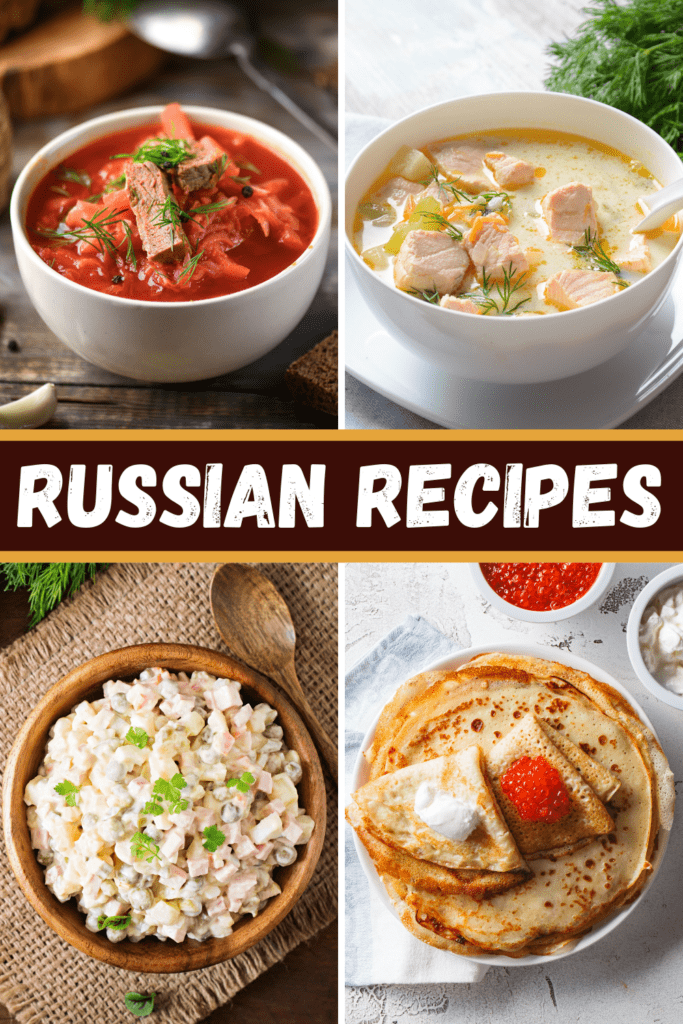
Russian blini are thin, crispy, and often served with sour cream, caviar, or sweet fillings like jam or Nutella. Unlike thick, fluffy American pancakes, they’re made with a simple batter of flour, eggs, milk, and a pinch of salt, sometimes including a sourdough starter for tanginess. The key technique is cooking them on a griddle (“ruska”) over medium-high heat until golden and slightly crisp. Some versions include dried fruit or nuts for texture, while traditional ones are plain or filled with sour cream and smoked salmon.
—
3. What’s the secret to making “medovik” (Russian honey cake) taste rich and moist?
The magic lies in layering the dough with a thick honey jam (usually made from wildflower honey, sugar, and lemon zest) and folding it carefully to avoid breaking the layers. The dough itself is a mix of whole wheat or rye flour, eggs, butter, and a touch of baking soda for lift. The slow baking at 325°F (160°C) helps the honey melt into a shiny, gooey glaze while keeping the cake moist. Some bakers also add raisins or dried apricots for extra sweetness. For extra richness, some versions include a layer of melted butter between dough and jam.
—
4. Why do Russian bakers use “tchortovka” (sourdough starter) instead of commercial yeast in many recipes?
Tchortovka is a natural, whole-grain sourdough starter (often made with rye or whole wheat) that gives Russian bread its tangy, artisanal flavor and long shelf life. Unlike yeast, which ferments quickly, tchortovka develops a complex, slightly sour profile over days of fermentation. This slow process creates gluten structure that’s firmer and more chewy, ideal for breads like rye “kvaratsminda” or sourdough “chort” (similar to bagels). While commercial yeast speeds up baking, Russian tradition favors the slow, probiotic-rich fermentation for health benefits and authentic taste.
—
5. How can I adapt a Russian “smetannye pechenye” (sour cream cookies) recipe for gluten-free baking?
To make gluten-free Russian-style sour cream cookies, replace all-purpose flour with a 1:1 gluten-free blend (like brown rice flour + tapioca starch + xanthan gum). Use sour cream and melted butter as the base, but adjust the liquid slightly—GF flours absorb moisture differently. For texture, add 1–2 tbsp of psyllium husk to mimic gluten’s binding. Bake at 350°F (175°C) for 10–12 minutes until edges are golden. For extra crunch, sprinkle coarse sugar or sesame seeds on top before baking. These cookies will be slightly denser but still tender, with a sweet-sour flavor from the sour cream.

