
rye sourdough recipe

The Best rye sourdough recipe
What really sets this recipe apart is how versatile it is. It’s great for everyday eating, but it also shines when you’re hosting a dinner party or feeding a crowd. The sourdough starter gives it that extra depth of flavor that white bread just can’t match, and the rye adds a nice texture that keeps it satisfying. Plus, it’s healthier than you’d think—more fiber, less refined sugar, and that tangy probiotic boost from the starter. My husband always says it’s the kind of bread that makes you feel like you’re eating something nourishing, not just filling. And honestly, there’s nothing like the smell of fresh rye sourdough baking in the house—it’s comforting, it’s homey, and it just makes everything taste better.
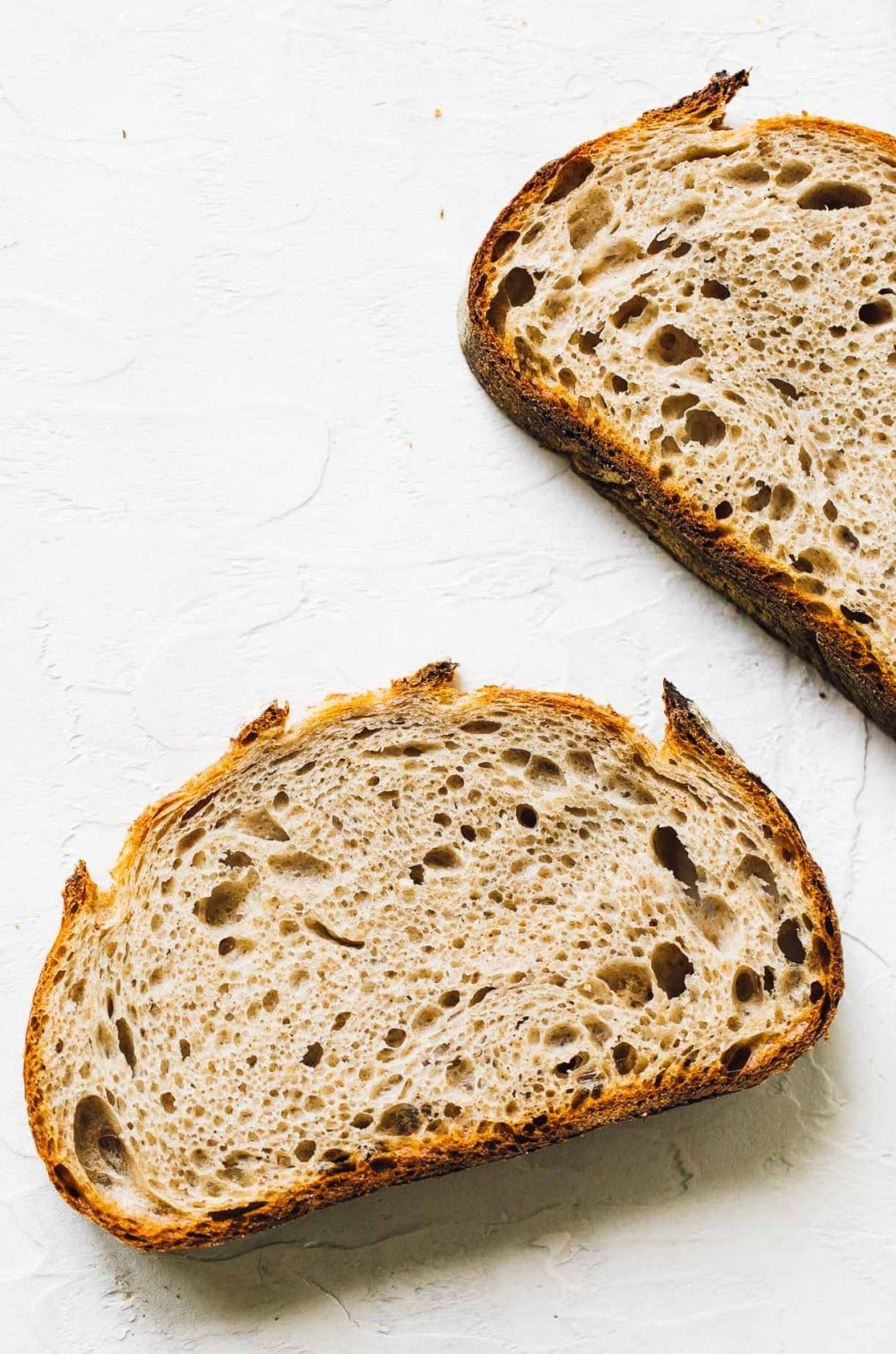
Classic Rye Sourdough Bread
A tangy, hearty loaf of rye sourdough bread with a crisp crust and soft interior, perfect for toast or sandwiches. This recipe is a must-try for any occasion.
🥘Ingredients
- 3 cups (360g) rye flour (dark or whole grain)
- 2 cups (480ml) warm water (~110°F/43°C)
- 1 tbsp (15g) active sourdough starter (50% hydration)
- 1 tsp (5g) salt
- 1 tsp (5g) sugar (optional, to feed starter)
- 1/2 tsp (3g) instant yeast (optional, for faster rise)
- 1/4 cup (60ml) water
- 2 tbsp (30g) honey or maple syrup
- 1/2 tsp (3g) salt
👨🍳Directions
-
1
Feed your sourdough starter: Mix 1:1:1 ratio of starter, water, and sugar in a bowl. Let sit for 4–6 hours until bubbly and doubled. -
2
In a large bowl, combine rye flour and salt. Add warm water, starter, and optional yeast. Mix until a shaggy dough forms. -
3
Knead dough by hand for 8–10 mins or use a mixer on low speed for 5–7 mins until smooth and elastic. Cover and let rest 1 hour. -
4
After resting, perform a stretch-and-folds technique: Flatten dough, fold edges inward 3 times over 20 mins. -
5
Shape dough into a round loaf, place in a banneton lined with a towel, or a greased bowl inverted. Cover and let rise 1–2 hours (until ~1.5x bulk size). -
6
Preheat oven to 475°F (450°C) with a Dutch oven inside for 1 hour. Score the top of the dough with a razor (1/4-inch deep). -
7
Bake dough in the Dutch oven for 20 mins. Remove lid, bake 20–25 mins until deep golden brown. -
8
Cool on a wire rack for at least 1 hour before slicing.
🔧Equipment
- Mixing bowls (2)
- Dough scraper
- Stand mixer or kitchen aid (optional)
- Banneton or proofing basket
- Baking sheet
- Oven thermometer (recommended)
- Dutch oven (optional, for better crust)
📊Nutrition Facts (per serving)
📝Notes
Tips
- For extra flavor, add 1 tbsp (15g) seeds (sunflower, flax, or poppy) to the dough.
- If dough is too sticky, add 1–2 tbsp extra flour, but avoid overdoing it.
- Store in an airtight container at room temperature for up to 3 days or freeze for longer storage.
Adaptations
- Use whole wheat rye flour for a nuttier taste.
- Skip yeast for a slower, more natural rise.
Watch Video Of How Classic Rye Sourdough Bread Works
❓ Frequently Asked Questions About Rye Sourdough Bread
What is the difference between rye sourdough and regular sourdough?
Regular sourdough typically relies on wheat flour, while rye sourdough uses rye flour, which has a distinct flavor, texture, and fermentation profile. Rye flour has a lower gluten content, making the dough denser and more robust, and it often develops a tangier, earthier taste due to its higher natural acidity. Additionally, rye sourdough often requires longer fermentation times to achieve optimal flavor and texture.
How long does it take to make rye sourdough starter?
Making a rye sourdough starter takes about 5–7 days, depending on environmental conditions and the specific ratio of rye flour to water used. Unlike wheat flour, rye flour ferments more quickly due to its higher natural acidity, but it can also be more prone to overproofing. Consistently feeding it with equal parts rye flour and water (or a mix of rye and wheat) daily will help it develop properly.
Why does my rye sourdough starter not rise well?
Several factors can prevent your rye sourdough starter from rising properly:
– Insufficient hydration – Rye flour absorbs less water than wheat, so ensure you’re feeding it with the correct ratio (e.g., 100g starter + 100g rye flour + 100g water).
– Too much rye flour – A high rye-to-wheat ratio can slow fermentation. Mixing some wheat flour in can help balance the fermentation.
– Incorrect storage temperature – Rye ferments faster than wheat, so keep it in a warm spot (70–75°F / 21–24°C) if it’s not rising as expected.
– Overfeeding or underfeeding – Too much food can dilute the starter, while too little can starve it. Stick to daily feedings with equal parts starter, flour, and water.
– Poor-quality flour – Use high-quality rye flour (whole grain or dark rye) for better fermentation.
Can I use store-bought rye flour instead of whole rye flour for sourdough?
Yes, you can use store-bought rye flour, but it may yield slightly different results. Dark rye flour (whole grain) is best for sourdough because it contains more nutrients and natural acids that aid fermentation. Light rye flour (or white rye flour) is less acidic and may require longer fermentation or adjustments to hydration. If using a mix, aim for at least 50% whole rye for best flavor and texture.
How do I adjust the hydration for rye sourdough compared to wheat sourdough?
Rye sourdough typically requires higher hydration (more water) than wheat sourdough due to its lower gluten content and denser structure. A good starting point is 75–85% hydration (e.g., 100g flour + 75–85g water). If the dough feels too sticky or weak, gradually add more water. For rye bread, you may also need to use a wetter dough (up to 90%) to achieve a softer crumb. Always test by pressing the dough—if it springs back slowly, it’s ready.


