
sashimi recipe

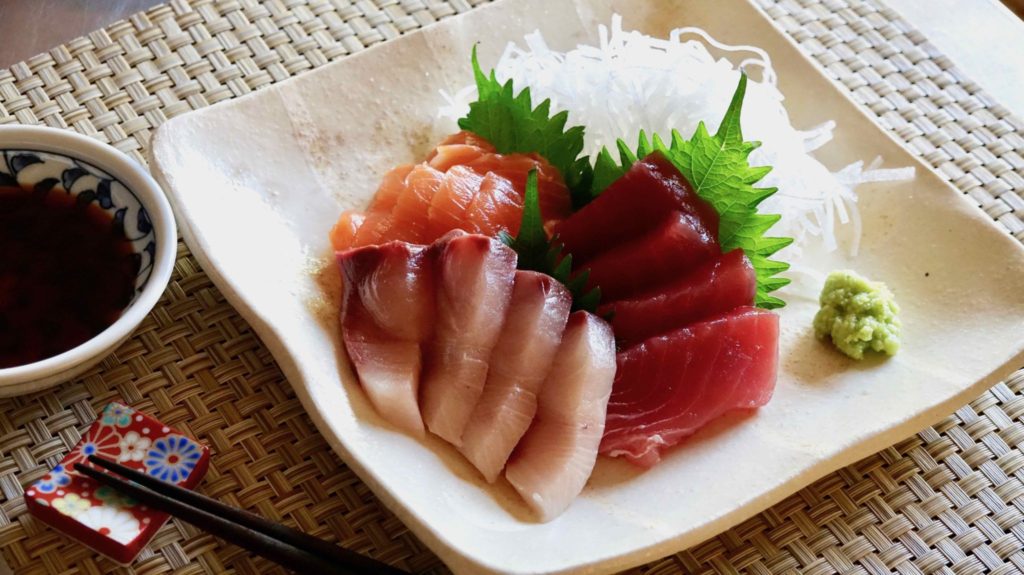
The Best sashimi recipe
What I love most about sashimi is how versatile it is. It works just as well for a quick weeknight dinner as it does for a special occasion when I want to impress guests without spending hours in the kitchen. Plus, the health benefits are hard to beat—high in protein, packed with omega-3s, and low in calories. I always feel good about serving it to my family because I know it’s nourishing without being heavy. If you’re new to sashimi, don’t let the idea of raw fish intimidate you. With the right ingredients and a sharp knife, it’s one of the simplest and most rewarding dishes you can make.
Classic Sashimi Platter
A delicate and fresh Japanese dish featuring thinly sliced raw fish, served with traditional accompaniments. This elegant platter highlights the natural flavors of high-quality seafood, perfect for sushi lovers.
🥘Ingredients
- 1 lb (450g) sushi-grade fish (salmon, tuna, or hamachi)
- 1 small daikon radish, julienned (optional garnish)
- 1 tbsp fresh wasabi (or 1 tsp wasabi paste)
- 1 tbsp pickled ginger (gari)
- 1 sheet nori, cut into thin strips (optional garnish)
- 1/4 cup soy sauce (or tamari for gluten-free)
- 1 tbsp mirin (optional)
- 1 tsp grated fresh ginger
- 1 tsp toasted sesame seeds
- 1/2 lemon, cut into wedges
- Shiso leaves (optional)
- Microgreens or edible flowers (optional garnish)
👨🍳Directions
-
1
Ensure the fish is sushi-grade and very fresh. Pat it dry with paper towels and place it in the freezer for 15-20 minutes to firm up for easier slicing. -
2
Using a sharp sashimi knife, slice the fish against the grain into 1/4-inch thick pieces. For salmon or tuna, cut at a slight angle for larger slices. Arrange the slices on a chilled platter. -
3
Prepare the garnishes: julienne the daikon radish, grate the wasabi, and arrange pickled ginger in a small dish. Cut the nori into thin strips if using. -
4
Mix the soy sauce, mirin, and grated ginger in a small bowl. Sprinkle with sesame seeds and set aside for dipping. -
5
Garnish the sashimi platter with daikon, nori strips, shiso leaves, and lemon wedges. Serve immediately with the soy sauce dip, wasabi, and pickled ginger on the side.
🔧Equipment
- Sharp sashimi knife or chef’s knife
- Cutting board
- Small mixing bowl
- Platter or large plate
- Tweezers (for garnishing)
📊Nutrition Facts (per serving)
📝Notes
Watch Video Of How Classic Sashimi Platter Works
❓ Frequently Asked Questions About Sashimi Platter
1. What type of fish is best for making sashimi?
The best fish for sashimi are those that are very fresh and safe to eat raw. Common choices include salmon, tuna (especially bluefin or yellowfin), sea bass, mackerel, and halibut. Always use sushi-grade or sashimi-grade fish, which means it has been handled and stored properly to minimize the risk of parasites and bacteria. Avoid fish labeled for cooking only.
2. How do I properly slice fish for sashimi?
Slicing fish for sashimi requires a sharp knife (preferably a sashimi or yanagiba knife) and proper technique. For most fish, slice against the grain at a 45-degree angle to create thin, even pieces. The thickness depends on the fish—salmon and tuna are often cut thicker (about ¼ inch), while delicate fish like sea bass may be thinner. Always use a smooth, single motion to avoid tearing the flesh.
3. Can I make sashimi with frozen fish?
Yes, you can use frozen fish for sashimi if it has been properly frozen to kill parasites. Look for fish labeled “sushi-grade” or “sashimi-grade,” which is typically flash-frozen at ultra-low temperatures (-4°F/-20°C or below) for at least 7 days. Thaw the fish in the refrigerator overnight before slicing. Never use fish that was frozen for general storage (not sushi-grade) or thawed improperly.
4. What are the essential accompaniments for sashimi?
Traditional sashimi is served with simple yet flavorful accompaniments to enhance the fish’s natural taste. Must-haves include:
– Soy sauce (for dipping)
– Wasabi (a small dab for heat)
– Pickled ginger (gari) (to cleanse the palate between bites)
– Shiso leaves (for garnish and freshness)
– Daikon radish (thinly sliced or julienned for texture)
You can also add a drizzle of citrus (like yuzu or lemon) or a sprinkle of scallions for extra brightness.
5. How do I store leftover sashimi?
Leftover sashimi should be eaten as soon as possible, ideally within 24 hours, as raw fish deteriorates quickly. Store it in an airtight container lined with a paper towel to absorb moisture, and keep it in the coldest part of the refrigerator (near the back). Avoid freezing leftovers, as this can ruin the texture. If the fish smells overly fishy or has a slimy texture, discard it—it’s no longer safe to eat.


