
sauteed baguio beans recipe

The Best sauteed baguio beans recipe
What I love most about this recipe is how adaptable it is. You can tweak the spices to suit your taste—maybe add a pinch of chili for heat, or a dash of smoked paprika if you like it deeper. It’s also one of those dishes that feels special without being overly complicated. Whether it’s for a weeknight dinner or a weekend potluck, it always gets rave reviews. My kids love it because it’s crunchy, flavorful, and doesn’t feel like a “healthy” dish—they don’t even realize they’re getting their fiber and plant-based protein. And honestly, it’s a great way to use up any leftover beans or even canned ones if you’re short on time. Plus, the health benefits? Oh, it’s got all the good stuff—fiber to keep digestion smooth, plant-based protein to keep you full, and antioxidants from the spices that help with inflammation. It’s that kind of dish that makes you feel good about eating, and honestly, that’s what matters most.
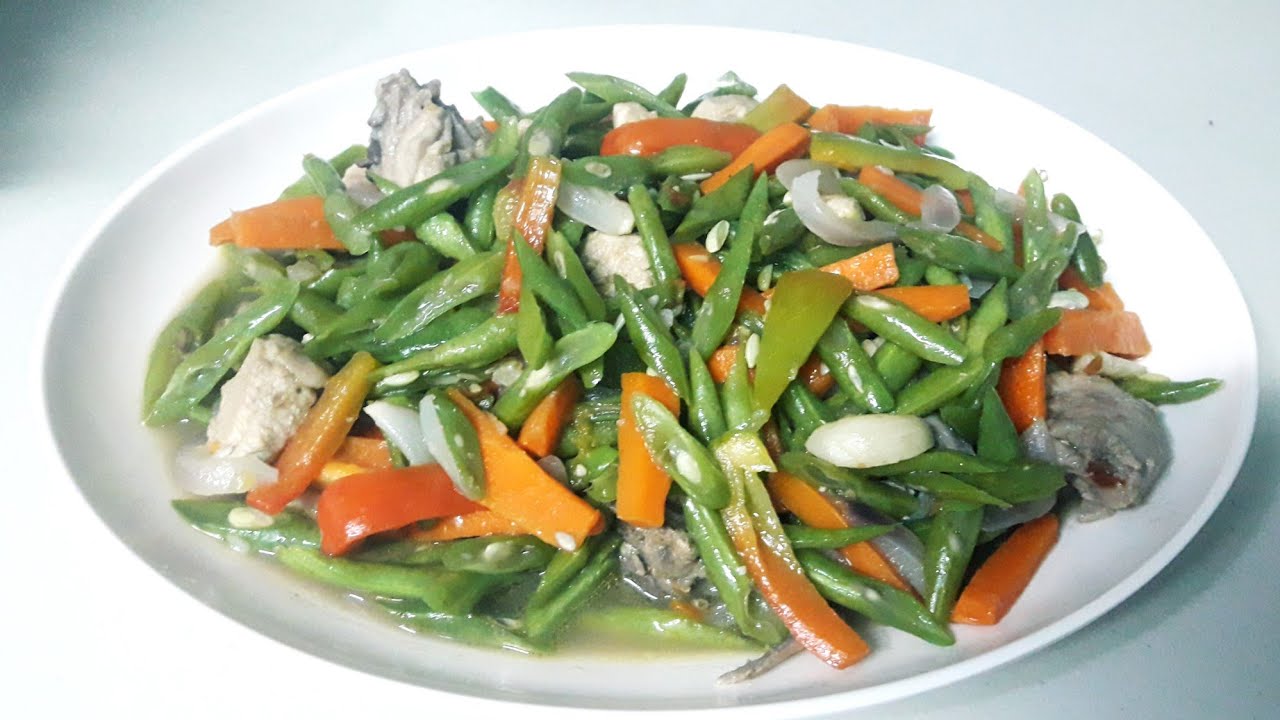
Sautéed Baguio Beans (Bagoong na Bangus)
A flavorful Filipino dish featuring sautéed salted fish paste (baguio beans) mixed with tender fish, aromatic herbs, and a touch of sweetness. Perfect for a quick and savory meal.
🥘Ingredients
- 200g fresh Bangus (milkfish), cut into 2-inch pieces
- 1 tbsp vegetable oil
- 1 cup baguio beans (salted fish paste), finely chopped
- 1 tbsp soy sauce
- 1 tsp sugar
- 1 clove garlic, minced
- 1/4 cup fresh cilantro, chopped
- 1/4 cup sliced green onions
- 1/2 tsp black pepper
👨🍳Directions
-
1
Heat oil in a skillet over medium-high heat. Add fish pieces and sauté for 3-4 minutes until lightly browned and cooked through. Remove fish and set aside. -
2
In the same skillet, add minced garlic and sauté for 30 seconds until fragrant. Add chopped baguio beans, soy sauce, and sugar. Stir well and cook for 5-7 minutes until the mixture thickens slightly. -
3
Return the fish pieces to the skillet, gently mixing to coat them in the baguio bean mixture. Cook for another 2-3 minutes until everything is well combined. -
4
Remove from heat and stir in chopped cilantro, green onions, and black pepper. Adjust seasoning if needed.
🔧Equipment
- Large skillet or wok
- Wooden spoon
- Fine grater (optional, for finely grinding baguio beans)
- Measuring cups and spoons
📊Nutrition Facts (per serving)
📝Notes
- Ensure your baguio beans are fresh and properly stored to avoid any off-flavors.
- For extra richness, add a dash of calamansi or lemon juice at the end.
- Serve with steamed rice or a fresh salad for a complete meal.
Watch Video Of How Sautéed Baguio Beans (Bagoong na Bangus) Works
❓ Frequently Asked Questions About Sautéed Baguio Beans (Bagoong na Bangus)
What is the best way to prepare baguio beans before sautéing them?
To prepare baguio beans (also known as bagoong) before sautéing, start by rinsing them thoroughly under cold water to remove excess salt and impurities. If they are canned, drain and rinse well. For fresh beans, soak them in water for about 15–20 minutes to soften them slightly, then drain. You can also lightly crush or chop them into smaller pieces if you prefer a finer texture before sautéing.
—
Why do some recipes recommend adding garlic and onions before the baguio beans?
Adding garlic and onions before sautéing baguio beans enhances their flavor by allowing the aromatics to infuse into the beans naturally. Garlic and onions caramelize slightly, adding depth and sweetness, while onions also help balance the saltiness of the beans. This step is especially important if you want a richer, more complex taste in your dish.
—
Can I substitute baguio beans with another type of fermented or salted bean if needed?
While baguio beans are unique, you can substitute them with other fermented or salted beans like bagoong taba (salted shrimp paste), bagoong na langka (salted jackfruit paste), or even salted egg yolk paste (bagoong na itlog). However, the flavor and texture will differ—bagoong taba has a stronger shrimp taste, while jackfruit adds a sweeter, nuttier note. For best results, use a similar fermented or salted bean with comparable saltiness and umami.
—
How can I adjust the saltiness of sautéed baguio beans to suit my taste?
Baguio beans are naturally very salty, so if you prefer them less salty, start by using a mix of fresh baguio beans (less processed, hence less salt) and adding a pinch of sugar or a small amount of vinegar to balance the flavor. You can also rinse the beans slightly before sautéing or reduce the amount you use. If you like them extra bold, increase the salt slightly or add a dash of soy sauce for extra depth.
—
What is the ideal cooking time and temperature for sautéing baguio beans?
Sautéing baguio beans requires medium-high heat to ensure they cook evenly without turning too soft or mushy. Cook them in a dry pan first to remove excess moisture, then add a little oil (like coconut or vegetable oil). Heat until shimmering, then add the beans and stir-fry for 5–7 minutes, stirring occasionally, until they release their saltiness and turn slightly translucent. If they’re still too thick, add a splash of water or broth and simmer for another 2–3 minutes. Overcooking can make them watery, so keep an eye on them.


