
soba noodle recipe

The Best soba noodle recipe
What I really appreciate about this recipe is how healthy it is without feeling like a chore. Made from buckwheat and wheat, soba noodles are packed with fiber and protein, which keeps us full longer than regular pasta. My husband and I both notice a difference in our energy levels after eating them, especially when paired with a fresh salad or steamed veggies. My kids don’t even realize they’re getting extra nutrients because the flavors are so bright and satisfying. Plus, the dish is naturally gluten-free if you use certified buckwheat, which is great for anyone with dietary needs. It’s one of those recipes that feels like a treat but is actually good for you—something I’ve come to appreciate more and more in recent years.
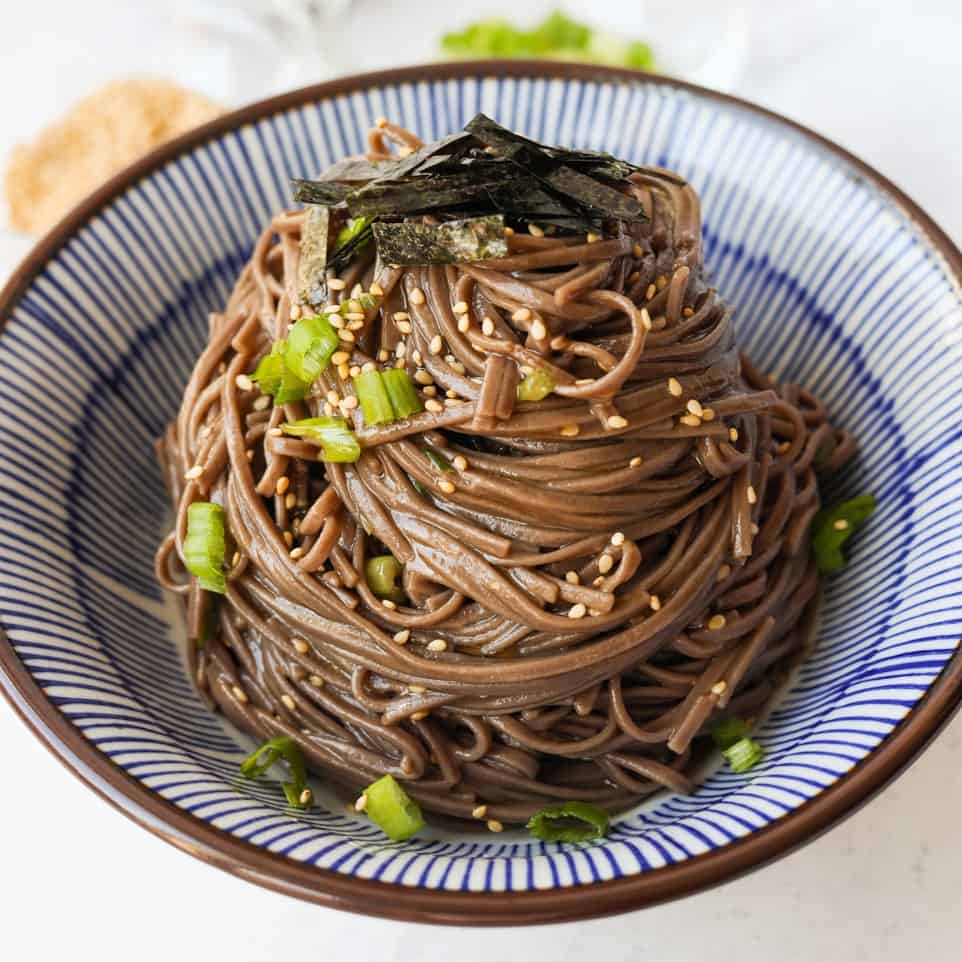
Classic Soba Noodle Stir-Fry with Garlic Sauce
A comforting dish featuring thin buckwheat soba noodles stir-fried with vibrant vegetables and a rich garlic sauce. Perfect for a quick weeknight meal.
🥘Ingredients
- 400g soba noodles (buckwheat wheat noodles)
- 1 tbsp sesame oil
- 1 tsp sugar
- 3 tbsp soy sauce
- 2 tbsp rice vinegar
- 1 tbsp honey or brown sugar
- 2 cloves garlic, minced
- 1 tbsp grated ginger
- 1 tsp red pepper flakes (optional)
- 2 cups mixed bell peppers (red, green, yellow), sliced
- 1 large onion, sliced
- 2 cups broccoli florets
- 2 cloves garlic, minced
- 1 tbsp vegetable oil
- 1 tbsp sesame seeds
- 1 green onion, sliced (for garnish)
👨🍳Directions
-
1
Cook soba noodles according to package instructions (usually 4-5 minutes in boiling salted water). Drain, rinse with cold water, and spread on a baking sheet to cool slightly. Toss with sesame oil and sugar to prevent sticking. -
2
In a small bowl, whisk together soy sauce, rice vinegar, honey, minced garlic, ginger, and red pepper flakes to make the sauce. -
3
Heat vegetable oil in the skillet or wok over medium-high heat. Add sliced onions and stir-fry for 2-3 minutes until softened. Add sliced bell peppers and broccoli florets, stir-frying for 4-5 minutes until vegetables are tender-crisp. -
4
Add minced garlic to the skillet and stir for 30 seconds until fragrant. Pour the garlic sauce over the vegetables and stir well to combine. Cook for another 1-2 minutes. -
5
Add the cooled soba noodles to the skillet. Toss everything together, ensuring the noodles are coated evenly with the sauce. Cook for an additional 1-2 minutes. -
6
Turn off the heat and stir in sesame seeds and sliced green onion. Taste and adjust seasoning if needed. Serve hot.
🔧Equipment
- Large skillet or wok
- Cutting board
- Knife
- Mixing bowls
- Measuring cups
- Wooden spoon
- Fine-mesh strainer
📊Nutrition Facts (per serving)
📝Notes
Tips
- For extra flavor, add a splash of sriracha or a dash of miso paste to the sauce.
- You can substitute regular wheat noodles for soba if unavailable.
- Double the sauce for a larger serving or add an extra ½ cup of mixed vegetables like snap peas or carrots.
Variations
- Add shredded chicken, tofu, or shrimp for a protein boost.
- Top with a fried egg for a savory twist.
Watch Video Of How Classic Soba Noodle Stir-Fry with Garlic Sauce Works
❓ Frequently Asked Questions About Soba Noodle Stir-Fry with Garlic Sauce
1. What is the best way to prepare fresh soba noodles to ensure they are tender and not mushy?
Fresh soba noodles are best cooked al dente—boil them in salted water for about 2–3 minutes (depending on thickness). Overcooking them will make them gummy. For extra tenderness, you can also blanch them briefly in cold water after cooking to stop the cooking process, then rinse under cold water to remove excess starch. If using dried soba, follow package instructions closely, as they may take slightly longer than fresh.
—
2. Can I substitute buckwheat flour for whole wheat flour in soba noodles, and if so, what’s the best ratio?
Yes, you can substitute whole wheat flour, but buckwheat flour (the key ingredient in soba) adds a distinct nutty flavor and chewiness. For a closer texture, use a 60% buckwheat flour blend (e.g., 60% buckwheat + 40% rice flour or wheat flour). If you’re using 100% whole wheat, the noodles will be softer and less distinct in flavor, but they’ll still taste great. Always ensure the buckwheat flour is high-quality (preferably stone-ground) for the best result.
—
3. How do I avoid soggy soba noodles when making a cold soba salad?
Soggy soba happens when the noodles absorb too much liquid. To prevent this, pat them dry thoroughly with a clean kitchen towel or paper towels after cooking. For cold salads, you can also blanch them in boiling water for 1 minute, then immediately transfer to ice water to stop cooking and remove excess starch. Another trick is to toss them with a small amount of oil before adding to the salad to create a barrier against moisture.
—
4. What are the best ingredients to pair with soba noodles for a flavorful dish?
Soba pairs beautifully with a variety of ingredients depending on the dish:
– For a classic cold salad: Cucumber, cherry tomatoes, shredded carrots, avocado, and a soy-ginger dressing (soy sauce, rice vinegar, sesame oil, ginger, and green onions).
– For a hot dish: Top with soft-boiled eggs, pickled vegetables (daikon radish & ginger), scallions, and a drizzle of sesame oil. A light miso or ponzu sauce enhances the flavor.
– For a creamy soba: Add a splash of sauce maki (Japanese cream sauce) or a light mayo-based dressing with lemon and garlic.
– For a spicy twist: Mix in chili oil, sriracha, or a fried egg with chili flakes.
—
5. Can I make soba noodles ahead of time and store them properly?
Yes, you can prep soba noodles in advance, but storage methods depend on whether they’re fresh or dried:
– Fresh soba: Cook them, rinse under cold water, and spread on a tray to cool completely. Store in an airtight container in the fridge for up to 3 days. Reheat in boiling water for 1–2 minutes before serving.
– Dried soba: Cook them fresh when needed (they don’t store well long-term). If you must store them, keep them in a cool, dry place (not the fridge) for up to 1 month in a sealed bag. Always check for freshness before cooking.
– For freezing: Fresh soba can be frozen uncooked in a single layer on a tray, then transferred to a bag. Cook from frozen by adding 1 extra minute to the boiling time.


