
sole fish recipe


The Best sole fish recipe
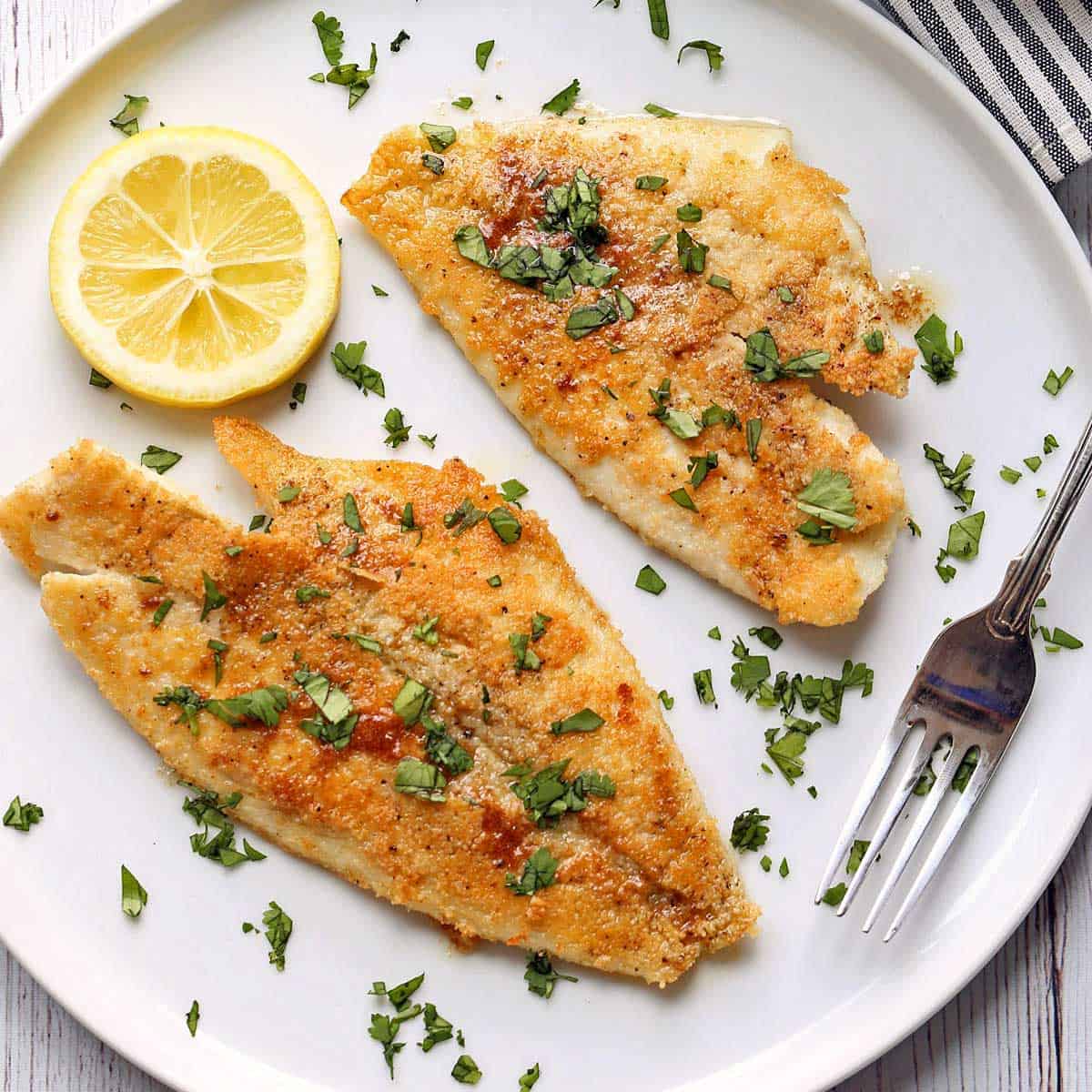
Pan-Seared Sole with Lemon Butter Sauce
A simple yet elegant dish featuring tender sole fillets cooked to perfection with a bright lemon butter sauce. This recipe delivers quick, restaurant-quality results with minimal effort.
🥘Ingredients
- 4 fresh sole fillets (about 6 oz each)
- 1 tbsp olive oil
- 1 tsp kosher salt
- ½ tsp black pepper
- 1 tbsp fresh lemon juice
- 2 tbsp unsalted butter
- 2 tbsp fresh lemon zest
- 2 tbsp fresh lemon juice
- 1 small shallot, finely minced
- 1 tsp Dijon mustard
👨🍳Directions
-
1
Pat the sole fillets dry with paper towels. Season both sides generously with salt and pepper. -
2
Heat olive oil in a nonstick skillet over medium-high heat. Add the fillets skin-side down and cook until golden brown and crispy, about 3–4 minutes. -
3
Flip the fillets and cook for another 1–2 minutes until just cooked through. Remove from skillet and set aside. -
4
In the same skillet, melt the butter over low heat. Add the shallot and cook until softened, about 1 minute. Stir in lemon zest, lemon juice, and Dijon mustard. -
5
Pour the sauce over the sole fillets and serve immediately.
🔧Equipment
- Nonstick skillet
- Mixing bowl
- Knife and cutting board
📊Nutrition Facts (per serving)
📝Notes
Watch Video Of How Pan-Seared Sole with Lemon Butter Sauce Works
❓ Frequently Asked Questions About Pan-Seared Sole with Lemon Butter Sauce
1. What types of fish work best for this baked sole recipe?
Use firm, white-fleshed fish like cod, halibut, or haddock. These hold their shape well during baking and absorb flavors nicely. Avoid flaky fish like salmon or trout unless you prefer a softer texture.
2. Can I substitute lemon slices with another acid for brightness?
Yes, substitute lemon slices with a squeeze of lime juice, white wine, or even a splash of vinegar (apple cider or white) in the marinade. For a deeper flavor, try a pinch of red pepper flakes or a sprinkle of fresh herbs like parsley or dill.
3. How do I know when the sole is cooked through?
The sole is done when the flesh flakes easily with a fork and reaches an internal temperature of 145°F (63°C). It should appear opaque and slightly firm to the touch. Overcooking turns it dry, so check it just before the recommended time.
4. What if I don’t have a baking sheet lined with parchment paper?
Skip the parchment paper entirely. Lightly grease the baking sheet with oil or butter to prevent sticking. Alternatively, use aluminum foil cut into a sheet large enough to wrap the fish loosely before baking.

