
sourdough focaccia bread recipe

The Best sourdough focaccia bread recipe
This recipe is also a total crowd-pleaser for any occasion—whether it’s a casual dinner with the family, a weekend brunch spread, or even a simple lunch for a busy weeknight. It’s that kind of bread that makes everything feel a little more special, like you’re serving something homemade and warm. And the best part? It’s not just delicious—it’s actually pretty good for you too. The sourdough starter helps with digestion, and the whole grain version keeps you full longer than refined white bread. Plus, the olive oil is packed with heart-healthy fats, and the herbs and veggies you can add make it even more nutritious. It’s the kind of bread that’s healthy enough to eat every day but still feels like a treat when you make it. My husband and I swear by it—it’s that reliable, comforting, and just plain tasty.
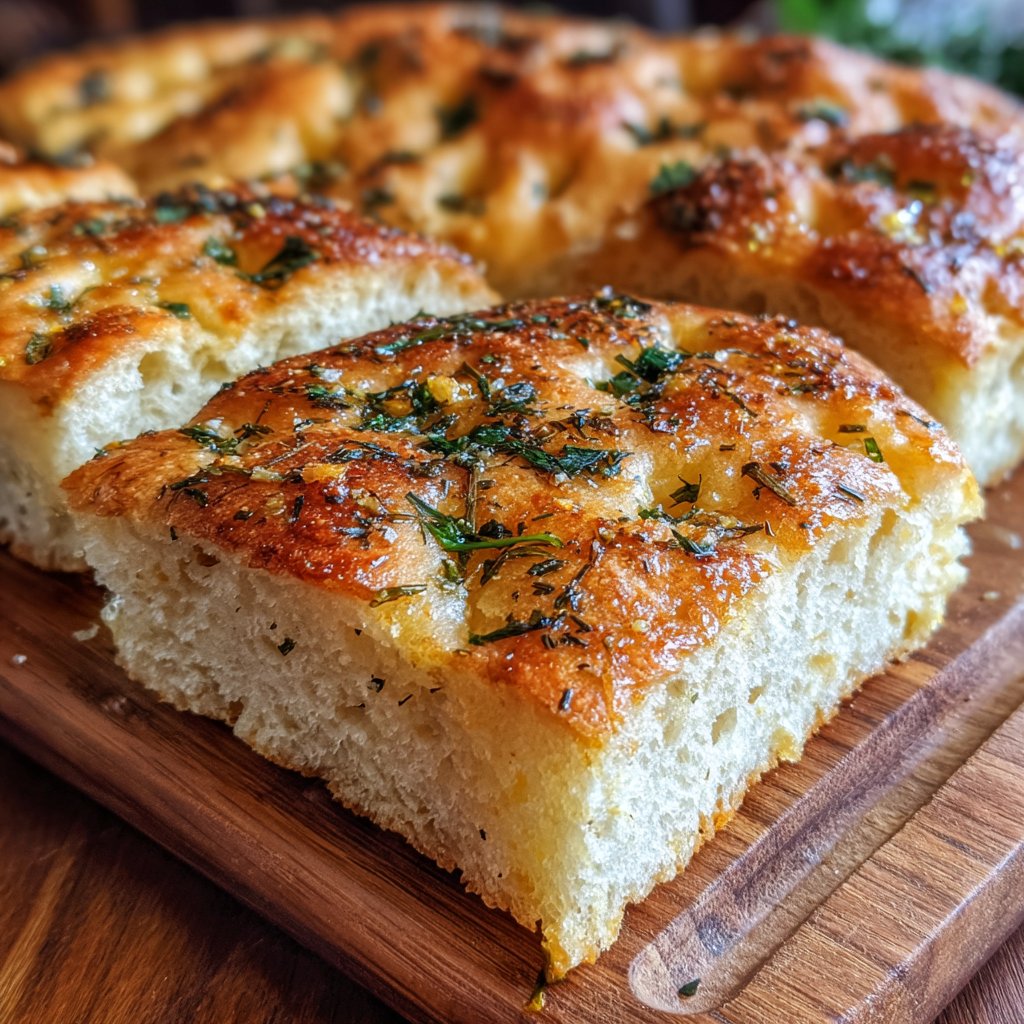
Classic Sourdough Focaccia Bread
A flavorful, airy focaccia bread perfect for dipping or as a side dish, made with a simple sourdough starter and olive oil for a rich, aromatic crust. This recipe is a must-try for any occasion.
🥘Ingredients
- 2 cups (250g) active sourdough starter (fed 4–6 hours before use)
- 3 cups (375g) all-purpose flour or bread flour
- 1 tsp salt
- 1 tbsp olive oil (plus extra for brushing)
- 1 tbsp olive oil
- 1 tsp dried oregano
- ½ tsp garlic powder
- ½ tsp red pepper flakes (optional)
- Flaky sea salt for finishing
👨🍳Directions
-
1
Preheat oven to 425°F (220°C). Line a baking sheet with parchment paper. -
2
In a large bowl, combine sourdough starter, flour, and salt. Mix well with a wooden spoon or by hand until a shaggy dough forms. -
3
Add 1 tbsp olive oil and knead for 5–7 minutes until smooth and elastic. Cover with a damp towel and let rise in a warm place for 1–2 hours, or until doubled in size. -
4
Preheat Dutch oven (if using) and place baking sheet inside to heat. Punch down the dough and transfer it to the prepared baking sheet. Lightly brush with olive oil. -
5
Press your fingers into the dough in a crisscross pattern, leaving some areas thin for a crispy texture. Sprinkle with olive oil, oregano, garlic powder, and red pepper flakes. -
6
Cover loosely with a towel and let rise for another 30–45 minutes. -
7
Bake in the preheated oven for 25–30 minutes until golden brown. If using a Dutch oven, transfer the focaccia to a wire rack and bake for an additional 5–10 minutes to crisp the top.
🔧Equipment
- Mixing bowls
- Stand mixer or kitchen aid (optional)
- Baking sheet
- Dutch oven (optional, for extra crust)
- Spray bottle (for olive oil)
- Clean kitchen towel
📊Nutrition Facts (per serving)
📝Notes
Tips
- For extra flavor, add rosemary or thyme to the dough before rising.
- Ensure your sourdough starter is bubbly and active for best results.
- Store in an airtight container at room temperature for up to 3 days or freeze for longer storage.
Adaptations
- Substitute half the flour with whole wheat for a nuttier flavor.
- Add chopped rosemary or fresh herbs before baking for a fragrant touch.
Watch Video Of How Classic Sourdough Focaccia Bread Works
❓ Frequently Asked Questions About Sourdough Focaccia Bread
1. What is the key difference between focaccia and regular sourdough bread?
The main difference lies in texture and technique. Traditional focaccia is often topped with olive oil, salt, and rosemary, while it’s baked in a hot oven to create a crispy, airy crust. Sourdough focaccia incorporates a fermented starter for a tangy flavor and a chewier interior, but it’s typically baked at a lower temperature to preserve the soft, open crumb. For this recipe, we blend the two by using a sourdough starter for flavor and a higher oven temperature to achieve a crispy, focaccia-like surface.
2. Why do I need a sourdough starter for this recipe?
A sourdough starter adds natural fermentation, enhancing the bread’s flavor with a tangy, complex taste. It also improves texture by creating a softer, more open crumb compared to commercial yeast. The starter’s wild yeast and bacteria break down sugars and starches, contributing to a longer rise and better structure. Without it, the focaccia might lack depth in flavor and a slightly chewier bite.
3. How long should I let the dough rest before shaping it?
For the best texture, let the dough rest for at least 1–2 hours (or up to overnight in the fridge) after the final rise. This allows the gluten to relax, making it easier to shape into a focaccia. If you’re in a hurry, a shorter rest (30–45 minutes) will work, but the dough will be slightly firmer. For optimal results, let it sit at room temperature until it’s slightly puffy but not overly stretched.
4. Can I use olive oil instead of melted butter in the brush?
Yes! While melted butter adds richness, olive oil is a great substitute—especially for a focaccia-style bread. It provides a crispier, more focaccia-like crust due to its higher smoke point and natural oils. For best results, use a high-quality extra virgin olive oil and brush it generously over the dough before baking. If you prefer butter, a mix of olive oil and butter (like a 50/50 ratio) can also work well.
5. What toppings work best with sourdough focaccia?
The versatility of focaccia makes it perfect for a variety of toppings! Classic options include:
– Herbs & Garlic: Fresh rosemary, thyme, garlic, and a drizzle of olive oil.
– Cheese: Feta, goat cheese, or aged cheddar for a salty, creamy contrast.
– Vegetables: Roasted cherry tomatoes, olives, sun-dried tomatoes, or grilled zucchini.
– Proteins: Grilled chicken, shrimp, or prosciutto for a savory bite.
– Spices: Smoked paprika, chili flakes, or a sprinkle of flaky sea salt.
For extra flavor, consider adding a mix of everything! Just avoid overloading it, as the dough is soft and absorbs moisture well.
