
stewed tomatoes recipe

The Best stewed tomatoes recipe
This recipe is perfect for any occasion, whether you’re feeding a crowd for a family dinner or just whipping up something quick for a weeknight. It’s versatile enough to be used in so many ways—tossed into a sandwich, mixed into a chili, or even eaten alone with a sprinkle of cheese and fresh basil. My husband and kids love how it stays good for days, so it’s always in the pantry, ready to be used when we need it. Plus, there’s something comforting about the way the tomatoes break down into a thick, saucy consistency that’s so satisfying. It’s also surprisingly healthy—packed with lycopene, which is great for your heart, and full of vitamins that make it a great addition to any meal. No one ever feels like they’re eating something “healthy” when they’re eating stewed tomatoes, but that’s the magic of it.
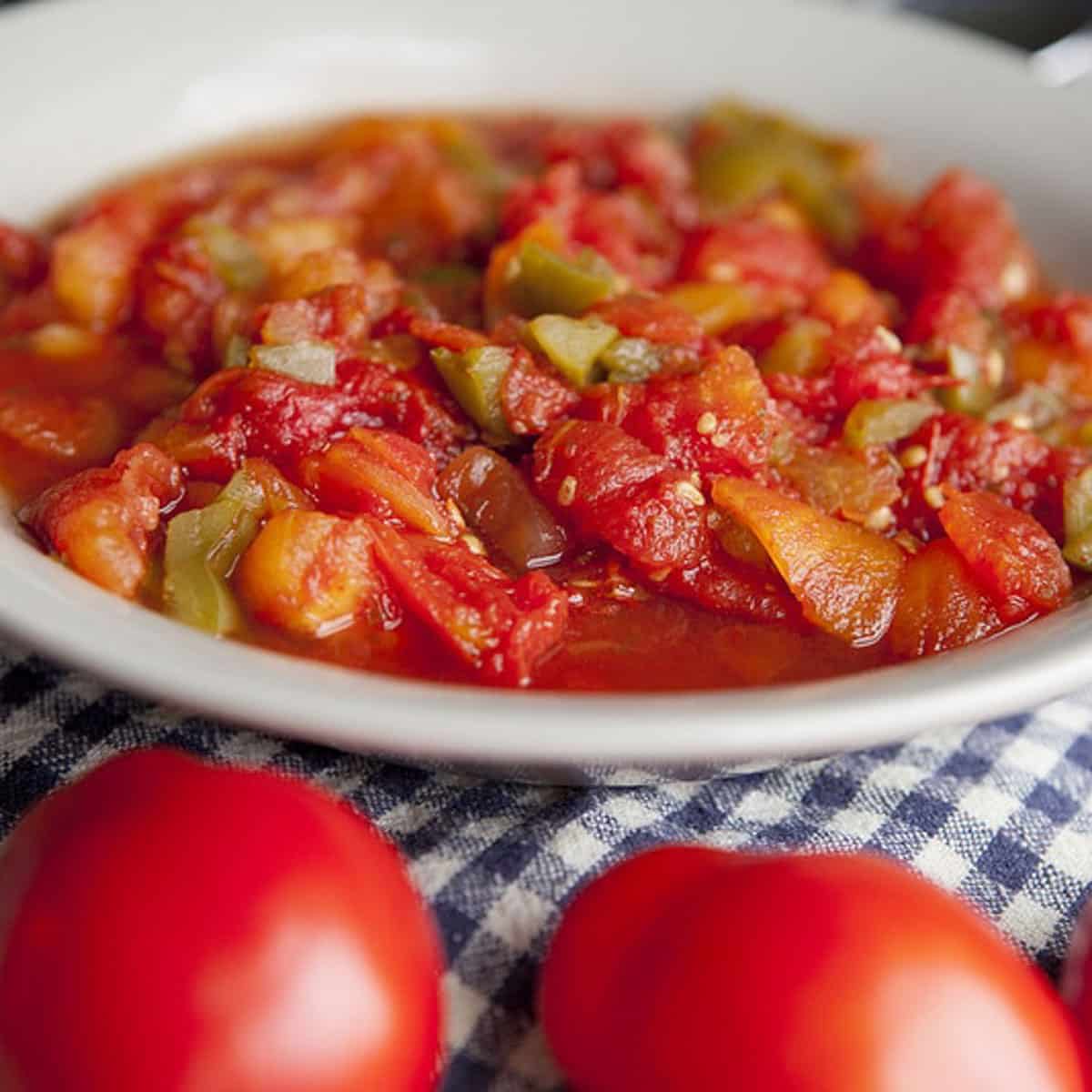
Classic Stewed Tomatoes
A rich, flavorful stewed tomato sauce perfect for pasta, soups, or as a base for other dishes. Simple and versatile!
🥘Ingredients
- 4 large ripe tomatoes (or 2 cans tomato purée)
- 2 tbsp olive oil
- 1 medium onion, finely chopped
- 3 cloves garlic, minced
- 1 tsp dried basil
- 1 tsp dried oregano
- ½ tsp red pepper flakes (optional)
- 1 tsp salt (adjust to taste)
- ½ tsp black pepper
- 1 bay leaf
- 1 cup water or vegetable broth
👨🍳Directions
-
1
In a large pot, heat olive oil over medium heat. Sauté onion and garlic until soft and fragrant (~5 mins). -
2
Add tomatoes (whole or purée), basil, oregano, red pepper flakes, salt, and pepper. Stir well. -
3
Pour in water or broth, add a bay leaf, and bring to a gentle simmer. Reduce heat to low. -
4
Cover and simmer for 25–30 mins, stirring occasionally, until tomatoes break down into a thick sauce. -
5
Remove the bay leaf, strain (optional), and let cool before serving.
🔧Equipment
- Large pot
- Cutting board
- Knife
- Wooden spoon
- Fine-mesh strainer (optional)
📊Nutrition Facts (per serving)
📝Notes
Watch Video Of How Classic Stewed Tomatoes Works
❓ Frequently Asked Questions About Stewed Tomatoes
1. What is the best way to prepare fresh tomatoes for stewing to ensure they are flavorful and tender?
To maximize flavor and tenderness, start by rinsing the tomatoes under cold water and peeling off the skins (either by boiling them briefly or using a spoon to scrape off the skin). Cut them into chunks, removing any seeds or large veins. For extra richness, you can also blend the tomatoes into a smooth sauce before simmering, then strain it if you prefer a smoother texture.
—
2. Should I use canned tomatoes or fresh ones for this recipe, and which one is preferred for a deeper flavor?
Canned tomatoes (like San Marzano or crushed tomatoes) are often preferred for stewing because they’re already broken down and concentrated in flavor, offering a richer taste with less effort. Fresh tomatoes can be used, but they may require longer cooking to soften, and their flavor can vary based on ripeness. If using fresh, opt for fully ripe, firm tomatoes for best results.
—
3. How long should I simmer the stewed tomatoes, and what temperature should I maintain?
Simmer stewed tomatoes over medium heat for about 20–30 minutes, stirring occasionally, until they thicken and reduce slightly. The exact time depends on the tomato variety—fresh tomatoes may take longer than canned ones. Maintain a gentle simmer (around 175–185°F / 80–85°C) to prevent burning while ensuring they soften fully.
—
4. Can I add any herbs or spices to enhance the flavor of stewed tomatoes, and what are the good pairings?
Absolutely! Common flavor boosters include:
– Fresh herbs: Basil, oregano, thyme, or parsley (add at the end to preserve color).
– Spices: Garlic powder, onion powder, red pepper flakes, or a pinch of sugar to balance acidity.
– Extras: A splash of balsamic vinegar, a bay leaf, or even a touch of smoked paprika for depth.
For a classic Italian touch, try simmering with a whole garlic clove or a sprig of rosemary.
—
5. How can I store leftover stewed tomatoes, and how long will they last?
Store leftover stewed tomatoes in an airtight container in the fridge for up to 5 days. For longer storage, freeze them in portions (up to 3 months)—thaw in the fridge before using. If they’ve thickened too much, you can thin them with a little water or broth before reheating.
