
sugar paste recipe

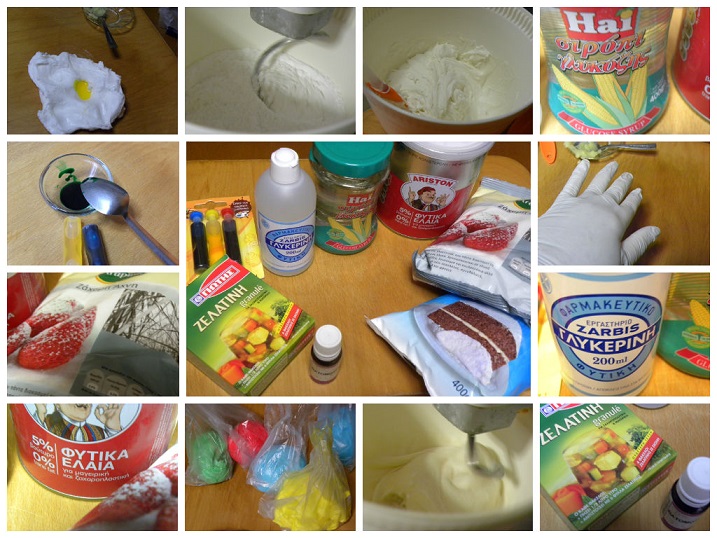
The Best sugar paste recipe
What I love most is that it’s made with just a few basic ingredients, so I know exactly what’s going into it. No weird preservatives or artificial colors, just real food that I can feel good about serving my family. Plus, it’s a great way to control the sweetness—you can adjust the sugar to your liking, which is a lifesaver when you’ve got little ones who are still figuring out their taste preferences. It’s also a fantastic recipe for teaching kids about measuring and mixing, and they always get a kick out of seeing how something so simple can turn into something so fun to eat.
Another reason this recipe is a staple in our house is that it keeps well. You can make a big batch and store it in the fridge for weeks, so it’s always there when you need it. Whether we’re whipping up a last-minute dessert or just looking for a quick activity to keep the kids busy, this sugar paste never lets us down. It’s one of those recipes that’s stood the test of time in our kitchen, and I don’t see that changing anytime soon.
Classic Sugar Paste (Gumpaste) Recipe
A versatile sugar paste perfect for cake decorating, modeling flowers, and edible sculptures. This recipe yields a smooth, pliable dough that dries firm and holds intricate details.
🥘Ingredients
- 2 cups (250g) powdered sugar (sifted)
- 1 tbsp (10g) unflavored gelatin (or agar-agar for vegetarian option)
- 2 tbsp cold water
- 1 tbsp (15ml) light corn syrup or glucose syrup
- 1 tbsp (15g) vegetable shortening or white fat
- 1 tsp (5ml) glycerin (optional, for extra elasticity)
- 1/2 tsp (2.5ml) vanilla extract or almond extract (optional, for flavor)
- Additional powdered sugar (for dusting)
- Cornstarch (for dusting, optional)
👨🍳Directions
-
1
Sprinkle gelatin over cold water in a heatproof bowl and let it bloom for 5 minutes. If using agar-agar, skip blooming and proceed to heating. -
2
Create a double boiler by placing the bowl with gelatin over a saucepan of simmering water (or microwave in 10-second bursts) until the gelatin is fully dissolved and clear. Do not boil. -
3
Remove from heat and stir in corn syrup, shortening, and glycerin (if using) until fully melted and combined. Add vanilla or almond extract if desired. -
4
Gradually add sifted powdered sugar to the gelatin mixture, stirring with a spatula until a thick paste forms. Switch to kneading by hand when the mixture becomes too stiff to stir. -
5
Knead the sugar paste on a surface dusted with powdered sugar until smooth, elastic, and no longer sticky (about 5-7 minutes). Add more powdered sugar if needed, but avoid over-dusting. -
6
Wrap the sugar paste tightly in plastic wrap and place it in an airtight container. Let it rest at room temperature for at least 24 hours before use to improve elasticity. -
7
To use, knead the paste briefly to soften. Roll out or shape as needed for decorating. Store unused paste in an airtight container with plastic wrap pressed directly on the surface to prevent drying.
🔧Equipment
- Small heatproof bowl
- Saucepan (for double boiler method)
- Whisk or fork
- Plastic wrap or airtight container
- Rolling pin (optional)
- Spatula
- Microwave-safe bowl (alternative to double boiler)
📊Nutrition Facts (per serving)
📝Notes
Watch Video Of How Classic Sugar Paste (Gumpaste) Recipe Works
❓ Frequently Asked Questions About Sugar Paste (Gumpaste)
1. What is sugar paste made of?
Sugar paste, also known as fondant, is primarily made from powdered sugar (icing sugar), water, and a binding agent like gelatin, marshmallows, or tylose powder. Some recipes may include glucose syrup, glycerin, or shortening to improve texture and workability. The exact ingredients can vary depending on whether you’re making rolled fondant, poured fondant, or marshmallow fondant.
2. How do I store sugar paste to keep it fresh?
To keep sugar paste fresh, wrap it tightly in plastic wrap to prevent it from drying out, then place it in an airtight container. Store it at room temperature in a cool, dry place away from direct sunlight. If stored properly, homemade sugar paste can last up to 2 months. For longer storage, you can refrigerate it for up to 6 months, but allow it to come to room temperature before using to avoid condensation.
3. Why is my sugar paste cracking or drying out too quickly?
Cracking or drying out is usually caused by one of the following:
– Too much powdered sugar – Over-flouring the surface while rolling can dry it out.
– Low humidity – Working in a dry environment speeds up drying.
– Insufficient kneading – Under-kneaded paste may have air pockets that cause cracks.
– Not enough fat or glycerin – These ingredients help keep the paste pliable.
To fix it, knead in a small amount of shortening or glycerin to restore elasticity.
4. Can I make sugar paste without gelatin (vegan-friendly)?h3>
Yes! You can make vegan sugar paste by replacing gelatin with alternatives like:
– Agar-agar (a plant-based gelatin substitute).
– Tylose powder or CMC (carboxymethyl cellulose) for structure.
– Marshmallow fondant (using vegan marshmallows or homemade marshmallow fluff).
– Pectin or xanthan gum for binding.
The texture may differ slightly, so test small batches first to adjust consistency.
5. How do I fix sugar paste that’s too sticky or too stiff?
– Too sticky? Dust your hands and work surface with powdered sugar or cornstarch, and knead in small amounts until manageable. If it’s still sticky, let it rest for 10–15 minutes to firm up slightly.
– Too stiff? Warm it slightly by kneading in a small amount of shortening, glycerin, or glucose syrup. Microwaving for 5–10 seconds (in short bursts) can also soften it—just avoid overheating.

