
sun dried tomatoes recipe

The Best sun dried tomatoes recipe
Health-wise, sun-dried tomatoes are packed with nutrients. They’re loaded with vitamins A and C, plus antioxidants that fight inflammation. The olive oil used in the process adds heart-healthy fats, and since they’re just tomatoes and oil (plus a pinch of salt), there’s no added sugar or preservatives. My kids have been eating them for years, and they swear by how they make their lunches taste better. I use them in everything—pizza nights, grain bowls, even as a topping for grilled chicken. They’re that easy to throw together and so satisfying to eat. Plus, they’re great for stocking up when tomatoes are in season, so you always have a pantry staple ready to go. It’s one of those recipes that feels like a no-brainer—simple, healthy, and always delicious.
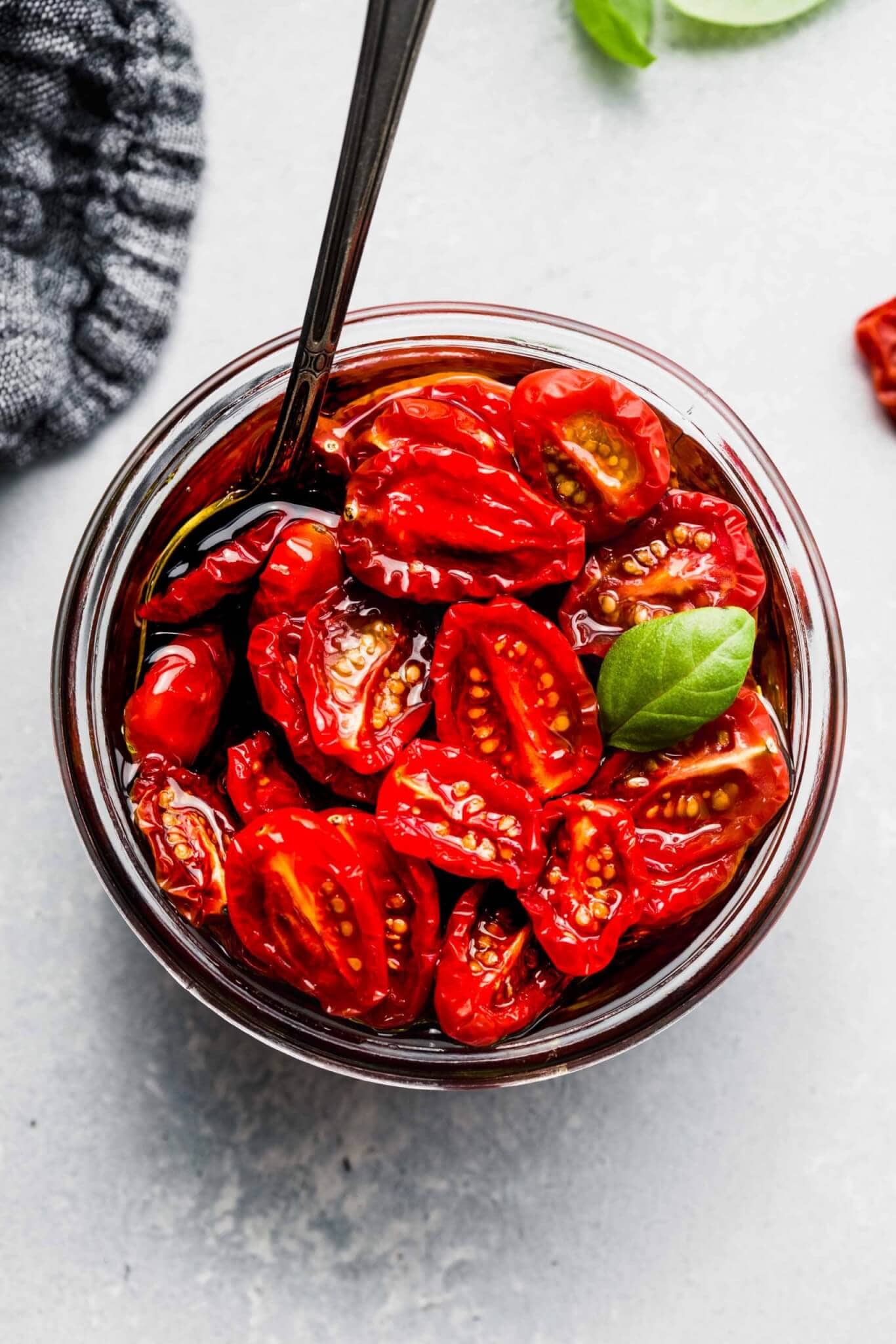
Sun-Dried Tomatoes (Homemade)
A simple and delicious way to make your own sun-dried tomatoes at home, perfect for adding to salads, pasta, or sandwiches. This recipe is a must-try for any occasion.
🥘Ingredients
- 2 lbs fresh ripe tomatoes (heirloom or Roma preferred)
- 1 cup water
- 1 tsp salt
- 1 tsp sugar (optional, for balance)
- 1 tsp dried oregano
- 1 tsp dried basil
- 1 tsp black pepper
- 1 tsp lemon juice (optional)
👨🍳Directions
-
1
Preheat oven to 200°F (95°C). Line a baking sheet with parchment paper. -
2
Wash and dry tomatoes thoroughly. Cut them into 1-inch thick slices. -
3
Arrange tomato slices on the prepared baking sheet in a single layer, ensuring they don’t overlap. -
4
Bake in the oven for 4-6 hours, flipping halfway through, until the tomatoes are completely dry and leathery.
🔧Equipment
- Cutting board
- Sharp knife
- Large pot
- Oven
- Baking sheet
- Airtight container/jar
📊Nutrition Facts (per serving)
📝Notes
Tips
- Ensure tomatoes are fully dried to prevent spoilage. Store in an airtight container in a cool, dark place for up to 6 months.
- For extra flavor, add a pinch of red pepper flakes or a sprinkle of smoked paprika during baking.
- If you want to preserve them longer, you can store them in the refrigerator for up to 3 months or freeze them for up to 1 year.
Substitutions: {“tomatoes”:”Use sun-dried tomatoes without seeds for a sweeter taste.”}
Watch Video Of How Sun-Dried Tomatoes (Homemade) Works
❓ Frequently Asked Questions About Sun-Dried Tomatoes ()
1. What is the difference between sun-dried tomatoes and regular tomatoes?
Sun-dried tomatoes are tomatoes that have been dehydrated by sun-drying, which removes most of their water content while concentrating their flavor. Regular tomatoes, on the other hand, are fresh and contain a higher moisture level. Sun-dried tomatoes retain a rich, sweet, tangy, and savory taste due to the intense sun exposure and slow drying process, which enhances their natural flavors.
—
2. How long does it take to sun-dry tomatoes for homemade sun-dried tomatoes?
Homemade sun-dried tomatoes typically take about 24 to 48 hours to fully dry, depending on factors like humidity, sun exposure, and tomato thickness. Thin slices dry faster than thicker ones. Ensure they are completely dry before storing to prevent spoilage.
—
3. Can I use any type of tomato for sun-drying, or do I need specific varieties?
While almost any tomato can be used, heirloom, Roma, or beefsteak tomatoes are often preferred because they are less watery and have thicker skins, making them ideal for sun-drying. Avoid overly acidic or waxy tomatoes like cherry tomatoes, as they may not dry evenly.
—
4. What’s the best way to store homemade sun-dried tomatoes to keep them fresh?
Store sun-dried tomatoes in an airtight container in the fridge for up to 2 months or freeze them in portions for longer storage (up to 1 year). For longer-term storage, you can also vacuum-seal them. Always keep them in a cool, dark place to prevent moisture and spoilage.
—
5. How can I use sun-dried tomatoes in cooking beyond salads?
Sun-dried tomatoes are incredibly versatile! Use them in:
– Pasta dishes (e.g., sun-dried tomato pesto, caprese salad, or pasta with cream and garlic).
– Savory spreads (like tomato-basil hummus or sun-dried tomato aioli).
– Breakfast dishes (add to scrambled eggs, omelets, or toast).
– Soups and stews (for depth of flavor).
– Appetizers (stuffed into mozzarella balls or as a topping for bruschetta).
– Grilled or roasted meats (like chicken or lamb).
– Salads and grain bowls (for a rich, umami boost).

