
thinnest pizza crust recipe

The Best thinnest pizza crust recipe
The health benefits of this recipe are what really make it stand out. I’ve always been careful about what goes into my food, and this crust is a game-changer. It’s got a good amount of whole wheat or almond flour to keep it nutritious, and the olive oil keeps it moist without weighing it down. My family loves that it’s low in refined carbs but still gives that satisfying chew and texture. We’ve even used it for special occasions—birthdays, family gatherings, or even just a nice dinner at home. The kids love how it’s thin enough to eat with their hands, and the adults appreciate how it doesn’t make them feel sluggish afterward. It’s that kind of recipe that feels indulgent but still makes you feel good about what you’re putting in your body. Plus, it’s so flexible—you can make it extra crispy, airy, or even chewy, depending on what you’re in the mood for. It’s like having a little pizza machine in your kitchen that never runs out of ideas.
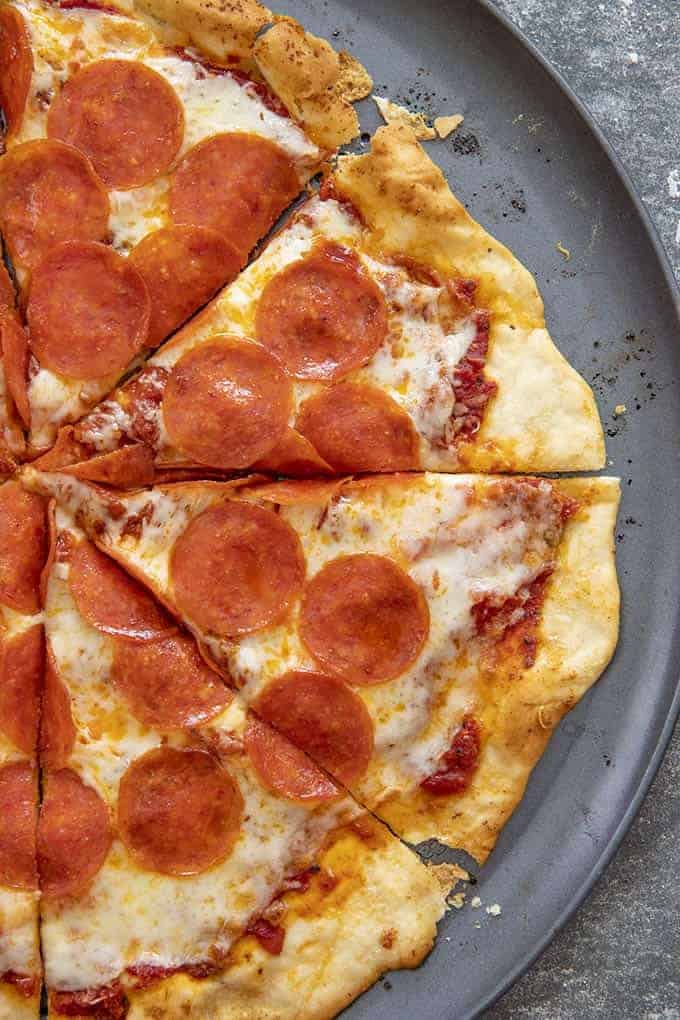
Thinnest Thin-Crust Pizza Recipe
A ultra-light, crispy thin-crust pizza with a delicate texture, perfect for those who love minimal toppings and maximum flavor. This recipe is a must-try for any occasion.
🥘Ingredients
- 1 cup all-purpose flour (plus extra for dusting)
- 1/4 cup whole wheat flour
- 1/2 tsp salt
- 1/4 tsp sugar
- 1/2 tsp instant yeast
- 2 tbsp olive oil
- 1/4 cup warm water
- 1/2 cup tomato sauce (or marinara)
- 1 clove garlic, minced
- 1 tbsp fresh basil, chopped
- 1/2 tsp dried oregano
- Salt and pepper to taste
- 1/2 cup shredded mozzarella cheese
- 1/4 cup diced tomatoes
- 1/4 cup sliced black olives
- 1/4 cup grated Parmesan cheese
👨🍳Directions
-
1
Preheat oven to 425°F (220°C). Line a baking sheet with parchment paper. -
2
In a bowl, mix all dough ingredients (flour, whole wheat flour, salt, sugar, yeast, olive oil, and water) until a smooth dough forms. Cover and let rest for 10 minutes. -
3
On a lightly floured surface, divide the dough into 2 equal portions. Roll each portion into a thin circle (about 1/8 inch thick) using a rolling pin. -
4
Transfer each rolled dough onto the parchment-lined baking sheet. Use a pizza peel to transfer the dough to the oven (or place directly on parchment). -
5
Spread tomato sauce evenly over each dough circle. Sprinkle cheese and toppings (if using) evenly across the surface. -
6
Bake for 12-15 minutes until the crust is golden and cheese is bubbly. Let cool for 5 minutes before slicing.
🔧Equipment
- Mixing bowl
- Stand mixer or kitchen aid (optional)
- Rolling pin
- Pizza peel or parchment paper
- Baking sheet
- Oven
📊Nutrition Facts (per serving)
📝Notes
- For extra crispiness, brush the crust with olive oil before baking.
- Use a pizza stone or steel for an even crispier result.
- Substitute mozzarella with a mix of cheeses like fontina or provolone for richer flavor.
- Keep dough refrigerated between rolling for easier handling.
Watch Video Of How Thinnest Thin-Crust Pizza Recipe Works
❓ Frequently Asked Questions About Thinnest Thin-Crust Pizza
What are the key ingredients in the thinnest pizza crust recipe that make it so light and delicate?
The thinnest pizza crust relies on a few key ingredients: all-purpose flour (or a mix with 10-15% whole wheat for extra elasticity), 0% fat (or very low-fat) whole milk (or buttermilk for tanginess), a small amount of sugar (about 1 tsp) to help with gluten development, a pinch of salt, and a high-protein flour blend (like 00 flour or a 12% protein flour) for structure. The fat-free milk and minimal dough hydration (around 55-60% water) create a thin, airy texture, while the high-protein flour helps maintain elasticity without bulk.
—
How do I measure the water correctly to achieve the right consistency for a ultra-thin crust?
For the thinnest crust, measure water by volume (not weight), as it’s more precise. Use a 60-65% hydration ratio (water to flour ratio) for a delicate, almost cracker-like texture. Start with 1 cup (240ml) of water per 2 cups (250g) of flour, then adjust slightly if the dough feels too stiff or sticky. If it’s too dry, add 1-2 tbsp of water at a time while kneading. A well-hydrated dough should hold its shape when stretched but still be pliable.
—
Why does kneading the dough for just 2-3 minutes instead of the usual 10-15 minutes work better for a thin crust?
Short kneading (2-3 minutes) prevents over-development of gluten, which makes the crust dense. Over-kneading creates too much gluten, leading to a tough, chewy texture. Instead, gentle folding and stretching during kneading aligns the gluten strands lightly, allowing the dough to stretch thin without tearing. This method mimics how thin crusts naturally form in traditional Italian focaccia-style dough, where minimal gluten development keeps it delicate.
—
What’s the best way to shape the thin crust so it doesn’t tear when stretching?
To prevent tearing, pre-shape the dough into a loose ball before stretching, then roll it out thinly (about ⅛-inch or 3mm thick) on a floured surface. Use two hands to gently pull and stretch from the center outward, keeping tension firm but controlled. For extra strength, press the edges inward slightly while stretching to create natural tension points. If the crust tears, simply fold the edges back over and stretch again—it’ll hold together better than a thick crust.
—
How do I ensure my oven reaches the right temperature for a perfectly crispy thin crust without burning it?
For the thinnest crust, preheat your oven to 500°F (260°C) or higher—preferably using a convection oven (if available) to ensure even heat distribution. Place a pie iron or pizza stone inside the oven for 30-45 minutes before baking to absorb heat. Once hot, transfer the crust directly to the stone or iron for 8-12 minutes (or until golden and crisp). If your oven struggles with high heat, use a pizza peel with a silicone mat to protect the crust from direct flame contact.

