
white trash recipe

- The Best white trash recipe
- Cheesy Garlic Bread Pudding (White Trash Edition)
- 🥘Ingredients
- 👨🍳Directions
- 🔧Equipment
- 📊Nutrition Facts (per serving)
- 📝Notes
- Watch Video Of How Cheesy Garlic Bread Pudding (White Trash Edition) Works
- ❓ Frequently Asked Questions About Cheesy Garlic Bread Pudding (White Trash Edition)
The Best white trash recipe
What I love most about this recipe is how it’s versatile—you can serve it with rice, potatoes, or even just straight from the pan over a bed of greens. My husband says it’s the only meal he can eat without feeling sluggish afterward, and my kids swear by how it makes them feel full without being too rich. It’s also packed with flavor from the garlic, onions, and spices, but it’s still light enough to balance out a meal without overpowering it. Plus, the health benefits are pretty solid: lean protein, fiber from the veggies, and all the good stuff from the spices without any weird additives. It’s the kind of dish that feels like a treat but is actually good for you, and that’s why it’s always a staple in our house.
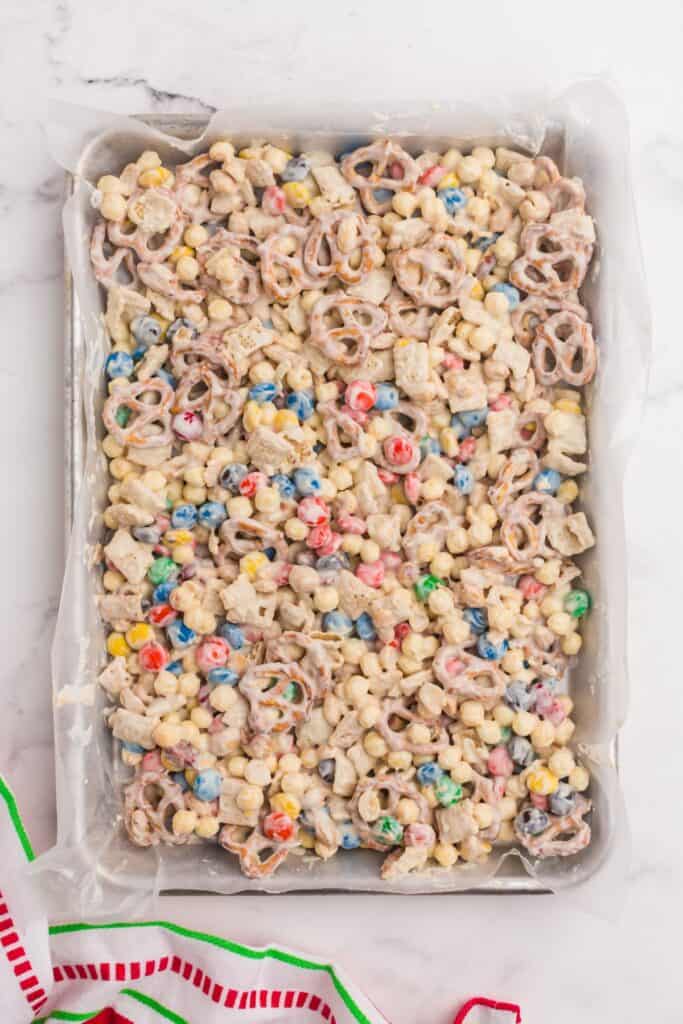
Cheesy Garlic Bread Pudding (White Trash Edition)
A simple, no-fuss dessert that uses cheap pantry staples to create a comforting, gooey treat. Perfect for when you’re feeling lazy but still want something sweet and filling.
🥘Ingredients
- 1 cup all-purpose flour
- 1 cup milk (or water if you’re really broke)
- 1 egg
- 1 tbsp butter (or margarine)
- ½ tsp salt
- ½ cup shredded cheddar cheese (or any cheap processed cheese)
- 1 tbsp butter
- 1 tsp garlic powder
- ½ tsp onion powder
- ¼ cup milk (to thin)
- 1 tbsp sugar (or brown sugar)
- ½ tsp cinnamon
- 1 tbsp instant mashed potatoes (for extra thickness)
👨🍳Directions
-
1
Preheat oven to 375°F (190°C). Grease a baking dish or skillet lightly with butter. -
2
In a bowl, whisk together flour, milk (or water), egg, butter, salt, sugar (if using), and cinnamon. Stir in instant mashed potatoes if using. -
3
Pour batter into the prepared dish and spread evenly. Bake for 15 minutes. -
4
While baking, melt butter in a small saucepan. Stir in shredded cheese, garlic powder, onion powder, and thin with milk until smooth. -
5
Remove dough from oven, pour cheese sauce evenly over the top, and return to oven for 10–15 minutes until golden and bubbly.
🔧Equipment
- Mixing bowls
- Whisk
- Oven-safe baking dish (or oven-proof skillet)
- Mixing spoon
📊Nutrition Facts (per serving)
📝Notes
Tips
- Skip the sugar if you’re watching your sweet tooth—just add a pinch of cinnamon for flavor.
- Use whatever cheese you have on hand; processed cheese works just fine.
- For extra stretch, add a splash of water or milk to the dough if it’s too thick.
- Serve warm with a dollop of whipped cream or a sprinkle of powdered sugar if you’re feeling fancy.
Substitutions: {“milk”:[“water”,”evaporated milk”,”any liquid you’ve got”],”flour”:[“whole wheat flour”,”cornstarch (for a thicker texture)”]}
Watch Video Of How Cheesy Garlic Bread Pudding (White Trash Edition) Works
❓ Frequently Asked Questions About Cheesy Garlic Bread Pudding (White Trash Edition)
1. What is the origin of the “White Trash” recipe, and why is it considered controversial?
The “White Trash” recipe is a satirical, exaggerated portrayal of Southern American cuisine, often associated with stereotypes of poor, uneducated white people. It gained notoriety in the 1990s through the book White Trash: The Strange Career of a Troublesome Concept by Nancy MacLean, which critiques how the term has been weaponized in politics and culture. The recipe itself is a humorous, exaggerated take on what some perceive as simplistic or unrefined cooking styles, often tied to working-class or rural Southern traditions. It’s controversial because it perpetuates outdated stereotypes and can be seen as demeaning or reductive.
2. What are the main ingredients in the traditional “White Trash” recipe, and how does it differ from actual Southern comfort food?
The “White Trash” recipe typically includes ingredients like saltine crackers, canned soup, powdered milk, and instant mashed potatoes—essentially, whatever is cheap and readily available. In contrast, authentic Southern comfort food often features ingredients like bacon, ham hocks, collard greens, biscuits, and homemade gravy, reflecting deeper cultural traditions and labor-intensive preparation. While the “White Trash” version leans toward convenience and minimalism, it’s more about the stereotype than actual culinary skill.
3. Is the “White Trash” recipe meant to be taken seriously as a cooking method, or is it purely a joke?
The “White Trash” recipe is almost entirely a joke—it’s a satirical exaggeration meant to highlight stereotypes rather than provide a functional cooking guide. It’s often used in media (like The Simpsons or South of the Border) to mock cultural assumptions about working-class cooking. While some might try it for fun or irony, it’s not intended as a serious recipe to follow.
4. How does the “White Trash” concept relate to broader discussions about class and identity in American culture?
The term “white trash” has been used historically to marginalize working-class white people, often in ways that exclude them from middle-class privileges while reinforcing racial and economic hierarchies. The recipe amplifies this stereotype by framing cooking as a symbol of class status. Many critics argue that the term perpetuates harmful stereotypes, while others see it as a way to expose how class and identity are constructed in media and society.
5. Can someone actually make a “White Trash” meal with the ingredients listed, and what would it taste like?
While you could mix saltine crackers, canned soup, and powdered milk for a quick meal, the result would likely be bland, salty, and unappetizing—far from the exaggerated “white trash” stereotype. The real joke lies in how the recipe is presented as a “simple” but demeaning alternative to refined Southern cooking. If done poorly, it might taste like a sad, processed snack, while if done with more effort (like adding real meat or spices), it could be a surprisingly decent, if not refined, meal—just not the “trash” version.
