
yellow squash bread recipe


The Best yellow squash bread recipe
I have been making this yellow squash bread recipe for years, and it never fails to impress my family and friends. The first time I made it, I was blown away by the flavors and textures that came together in this delicious bread.
The combination of roasted yellow squash, onions, garlic, and herbs is a game-changer. It’s a perfect recipe for any occasion, whether you’re looking for a comforting snack or a show-stopping centerpiece for your holiday table.
One of the things I love about this recipe is how easy it is to make. Just sauté the squash and onions until they’re tender, then mix in some flour, eggs, and cheese.
Pour the mixture into a loaf pan and bake until golden brown. It’s that simple!
And the result is a beautiful, moist loaf with a subtle sweetness from the squash. My kids adore this bread, and it’s always a hit at family gatherings.
We love it toasted with butter or jam for breakfast, or sliced and served as a side dish for lunch or dinner. And let’s not forget the health benefits – this bread is packed with nutrients from the squash, making it a guilt-free indulgence for our family.
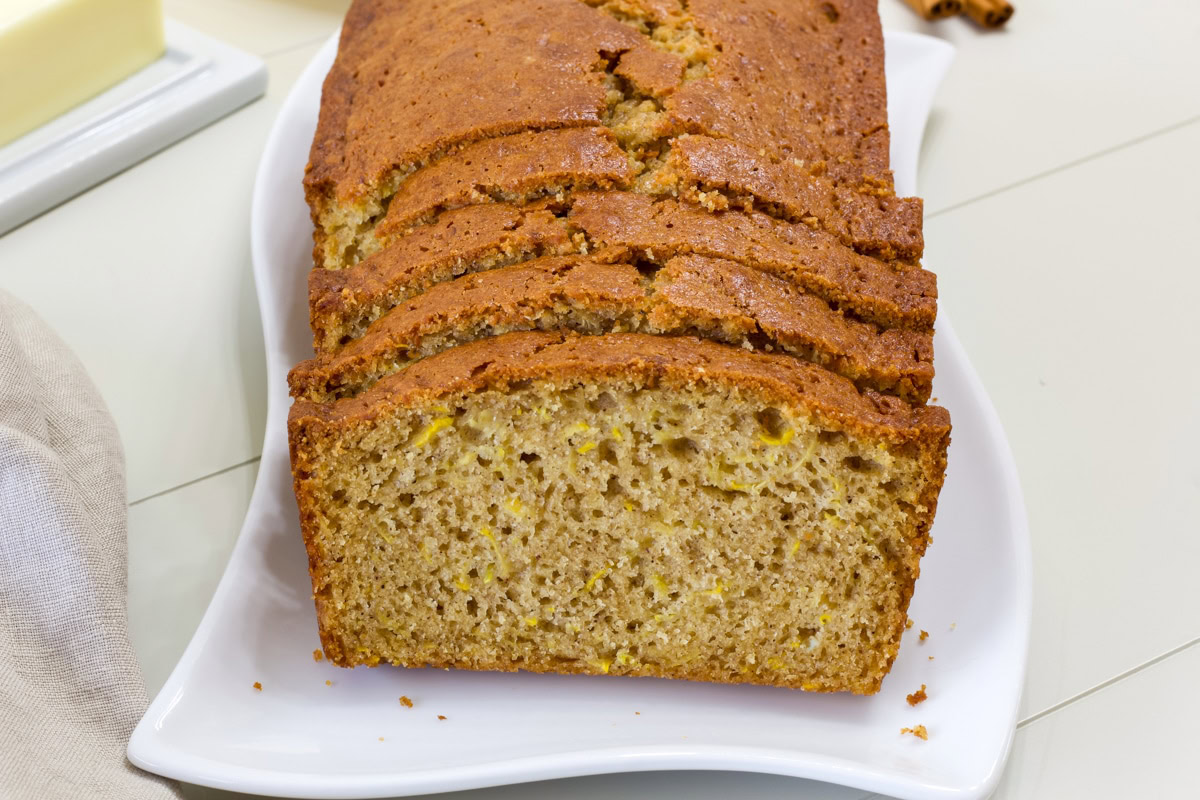
Yellow Squash Bread
This moist and tender yellow squash bread is a delightful way to use summer squash. It has a subtle sweetness and a tender crumb, perfect for breakfast or as a snack.
🥘Ingredients
For the Bread
👨🍳Directions
🔧Equipment
📊Nutrition Facts (per serving)
📝Notes
Watch Video Of How Yellow Squash Bread Works
This yellow squash bread is a reliable recipe that works for any occasion, from a casual breakfast to a family gathering. It is moist, flavorful, and a great way to use up summer squash in a delicious way.
I always feel good serving it because it is a treat that also includes a vegetable. For storage, keep the bread wrapped at room temperature for a few days or freeze it for later.
To reheat, slice and warm in the microwave for about 15 seconds or toast it lightly in a toaster oven. It is wonderful served plain, with a pat of butter, or spread with cream cheese.
This bread travels well, so it is perfect for potlucks, picnics, or packing in lunchboxes. I hope you enjoy making it as much as my family does.
❓ Frequently Asked Questions About Yellow Squash Bread
1. Do I need to peel the yellow squash before grating it for the bread?
No, you do not need to peel the yellow squash. The skin is thin and tender, and it blends right into the bread. It also adds a nice bit of color and fiber. Just wash the squash well and grate it with the skin on.
2. Can I use frozen yellow squash for this bread?
Yes, you can use frozen yellow squash. Thaw it completely and then drain off any excess liquid. Squeeze the thawed squash gently in a clean towel to remove as much moisture as possible before adding it to the batter. Frozen squash tends to release more water, so this step is important to keep the bread from getting soggy.
3. How do I store yellow squash bread and how long does it last?
Store the bread in an airtight container at room temperature for up to 3 days. For longer storage, wrap it tightly in plastic wrap and then foil, and freeze it for up to 3 months. Thaw the frozen bread on the counter or in the refrigerator overnight before serving.
4. Can I add other ingredients like nuts or chocolate chips to this recipe?
Absolutely. This recipe is very versatile. You can fold in 1/2 cup of chopped walnuts, pecans, or chocolate chips. You can also add dried cranberries or raisins. Just stir them in gently after mixing the wet and dry ingredients. Adjust the add-ins to your taste.
5. What can I substitute for the oil in this yellow squash bread recipe?
You can substitute the oil with an equal amount of unsweetened applesauce or melted coconut oil. Applesauce will make the bread a bit denser and lower in fat. Melted coconut oil works well and adds a subtle coconut flavor. You can also use plain yogurt or buttermilk, but you may need to adjust the liquid slightly to maintain the right batter consistency.
6. Why did my yellow squash bread turn out dense or gummy?
This usually happens if the squash was not drained enough or if the batter was overmixed. Squash has a lot of water, so always squeeze out some moisture after grating. Also, mix the dry and wet ingredients just until combined. Overmixing develops the gluten and can make the bread tough and dense. Make sure your baking powder and baking soda are fresh too.
