
hyderabadi biryani recipe

The Best hyderabadi biryani recipe
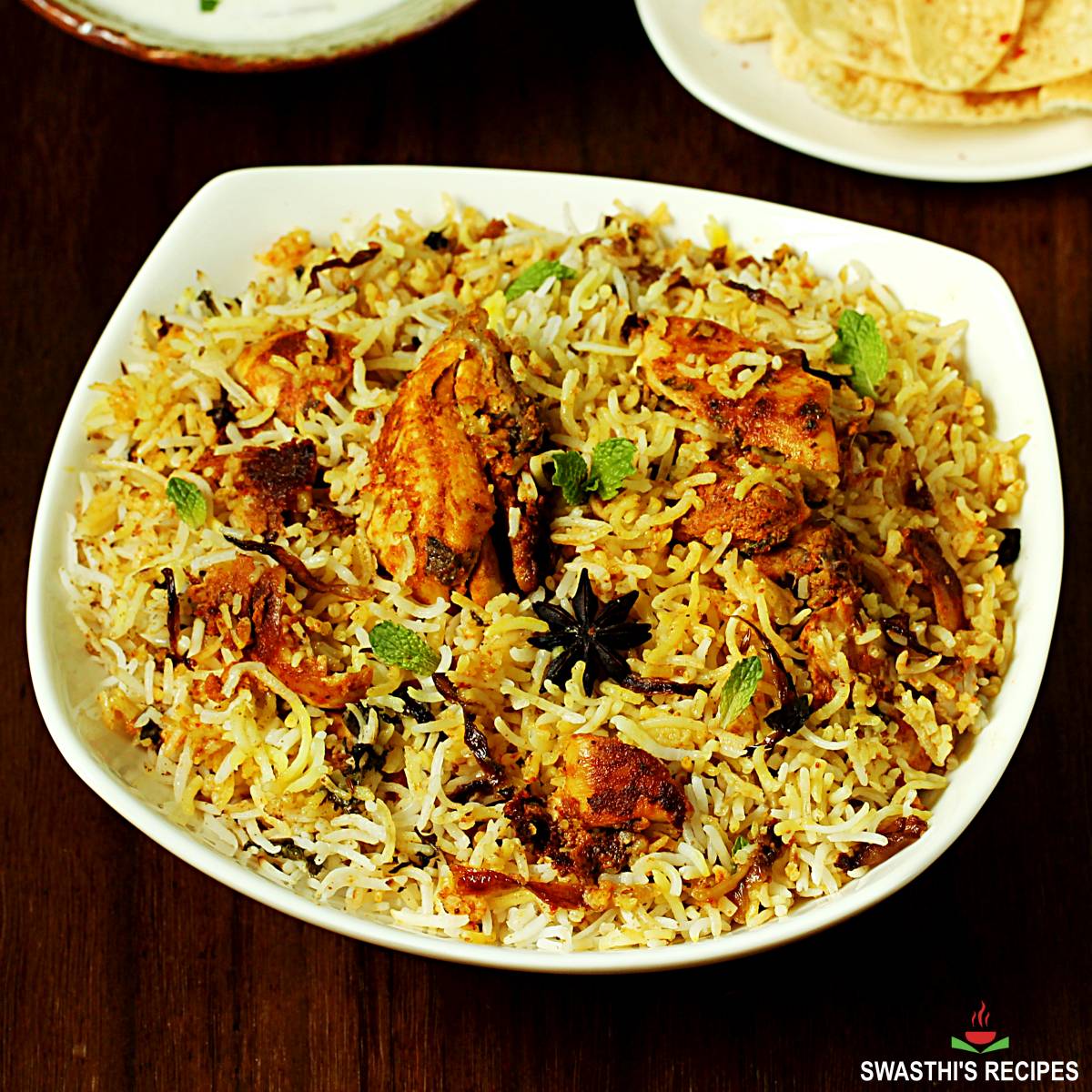
Classic Hyderabadi Biryani
A fragrant, layered biryani dish featuring tender meat and basmati rice cooked in rich tomato-onion gravy, perfumed with saffron and cardamom. Perfect for special occasions.
🥘Ingredients
- 2 cups basmati rice, rinsed
- 1 bay leaf
- 2 green cardamom pods
- 2-inch cinnamon stick
- 2 cloves
- 1 tsp saffron strands soaked in 2 tbsp warm milk
- 1.5 lbs chicken or lamb, cut into bite-sized pieces
- 1 large onion, finely chopped
- 3 tbsp ghee or oil
- 1 tsp ginger-garlic paste
- 1 tsp turmeric powder
- 1 tsp red chili powder
- 1 tsp coriander powder
- 1 tsp garam masala
- 1 cup yogurt
- 1 large tomato, pureed
- 1 cup water
- 1 tbsp lemon juice
- 1 tsp cumin seeds
- 1 tsp fenugreek leaves (kasuri methi)
- 1 tsp sugar
- Fresh cilantro, chopped
- Sliced almonds
- Sliced cashews
👨🍳Directions
-
1
Marinate the meat in yogurt, ginger-garlic paste, turmeric, red chili powder, coriander powder, and garam masala for at least 30 minutes. -
2
In a pot, heat ghee/oil and sauté onions until golden. Add cumin seeds and fenugreek leaves, then cook for 30 seconds. Add tomato puree, water, lemon juice, and sugar. Simmer until the sauce thickens. -
3
Cook the rice in a pot with water, bay leaf, cardamom, cinnamon, cloves, and saffron-milk mixture until 70% done (al dente). Drain and set aside. -
4
In a separate pot, pressure-cook or simmer the marinated meat with the tomato-onion sauce until the meat is tender and fully cooked. -
5
Layer half the rice in a Dutch oven, then spread the cooked meat and sauce evenly over it. Repeat with remaining rice, meat, and sauce. Cover tightly with foil and bake in a preheated oven at 375°F for 20 minutes. -
6
Remove foil, bake uncovered for another 10 minutes until the top is golden. Let rest for 10 minutes before serving.
🔧Equipment
- Heavy-bottomed pot
- Pressure cooker (optional)
- Dutch oven or heavy casserole dish
- Mixing bowls
- Knife and cutting board
- Measuring cups and spoons
📊Nutrition Facts (per serving)
📝Notes
Watch Video Of How Classic Hyderabadi Biryani Works
❓ Frequently Asked Questions About Hyderabadi Biryani
What is the difference between Hyderabadi biryani and other biryanis?
Hyderabadi biryani is known for its layered preparation, where rice and meat (traditionally lamb) are cooked separately before being gently fused together in a pot called a tadka. This technique creates a distinct texture and flavor profile, with tender rice and meat that absorb the rich spices without becoming mushy. Unlike simpler biryanis, Hyderabadi versions often include a layer of basmati rice cooked with saffron and ghee, which adds a luxurious touch.
—
Why does the recipe call for so much ghee?
Ghee is a key ingredient in Hyderabadi biryani because it adds depth of flavor and helps tenderize the meat. It also acts as a natural fat that keeps the rice and meat moist during the slow cooking process. While you can use butter or oil as a substitute, ghee imparts a caramelized, nutty taste that’s central to the dish’s authentic taste. If you’re avoiding dairy, use clarified butter or a neutral oil like vegetable oil.
—
Can I use chicken instead of lamb for this recipe?
Absolutely! Chicken is a common substitute for lamb in biryani, especially in home settings. Thighs and drumsticks work well because they stay juicy even after long cooking. If using chicken, marinate it longer (at least 2 hours) to ensure it absorbs the spices fully. For a richer flavor, you can add a pinch of rose water or a few drops of lemon juice to the marinade.
—
What if I don’t have a heavy-bottomed pot (like a kadhai or tawa)?
A heavy-bottomed pot is ideal for even heat distribution, but a deep, nonstick or cast-iron skillet will work in a pinch. Just ensure it’s large enough to accommodate the layers of rice and meat without crowding. If using a nonstick pan, avoid overcrowding to prevent sticking. For the tadka (spice tempering), a small saucepan on low heat is sufficient.
—
How do I know when the biryani is done?
The biryani is ready when the rice is fully cooked, the meat is tender and slightly caramelized, and the layers have fused together. The edges of the rice should pull away slightly from the pot, and the aroma should be rich and fragrant. If the dish isn’t done, let it rest for 5–10 minutes before serving—this allows the flavors to meld. Overcooking can dry out the rice, so keep an eye on it, especially the first few minutes.

